







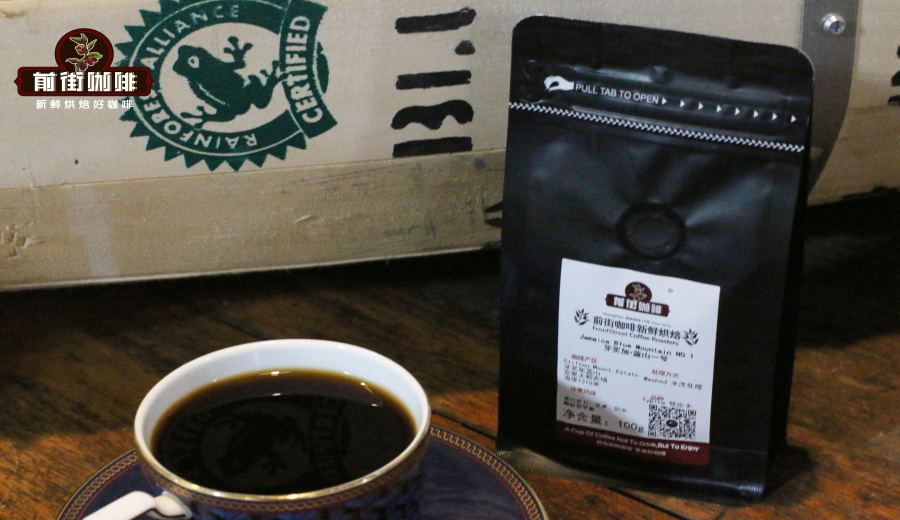
Introduction:Jamaica Blue Mountain coffee is hailed as the finest in the coffee world, but the commonly seen "Blue Mountain flavor" or "Blue Mountain blends" on the market are mostly commercial hype and have little to do with genuine Jamaican Blue Mountain coffee. This article delves into the geographical definition of the Blue Mountain growing region, the official CIB grading system, the characteristics of the Typica variety, as well as the grade differences between Blue Mountain No. 1 and peaberry, and shares professional pour over recommendations and practical brewing parameters to help readers discern authenticity and experience its rich, rounded unique flavor.
When it comes to Blue Mountain coffee, many people immediately think of keywords like premium, rare, and expensive. However, searching for "Blue Mountain" online often yields numerous products claiming "Blue Mountain flavor" or "Blue Mountain blends" that actually have no connection to authentic Jamaican Blue Mountain. What exactly is real Blue Mountain coffee? How is its unique flavor formed? And how should it be brewed correctly to bring out its best qualities? This article will take you on an in-depth exploration.
The so-called "Blue Mountain flavor"refers to that balanced taste that combines rich chocolate, subtle nuts, and soft sweetness, where acidity, sweetness, bitterness, richness, and aroma are perfectly harmonized, resulting in a smooth mouthfeel and a long-lasting aftertaste. Behind this flavor, in addition to the variety itself, is also closely related to Jamaica’s unique high-altitude cultivation environment and strict regional management system.
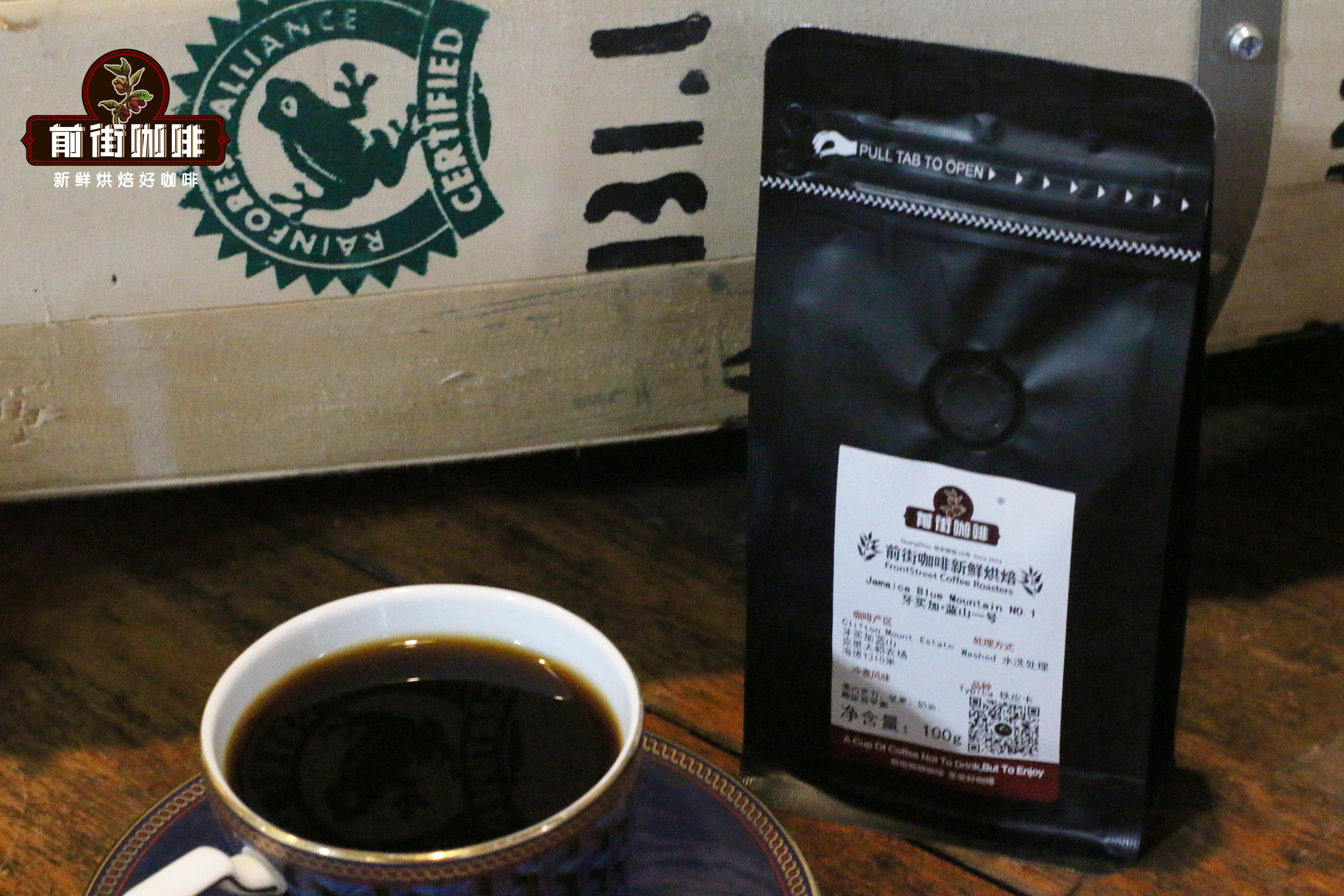
According tothe Jamaica Coffee Industry Board (CIB)’s official definition, only coffee grown at elevations between910 and 1,700 metersin the Blue Mountains of Jamaica and cultivated from the Typica variety can be certified as "Jamaica Blue Mountain coffee." Typica is highly sensitive to altitude and can only fully express its finesse and aroma in high-altitude environments. However, this variety is weak in disease resistance, has low yield, and coupled with the rugged terrain of the Blue Mountains and challenging harvesting conditions, the amount of Blue Mountain coffee that meets the standards is extremely limited—only about900 metric tonsper year, accounting for less than 15% of Jamaica’s total coffee production.
As for the claim that "Japan monopolizes Blue Mountain," there is actually some historical background. As early as 1981, a well-known Japanese coffee brand invested in cultivating Blue Mountain coffee in Jamaica and signed an agreement with the local government to export90% of the Blue Mountain quota to Japan. Even though the market is more open today, enjoying a cup of authentic Blue Mountain coffee is still not easy, but through professional coffee sales platforms and other specialized platforms, consumers can still enjoy the pure flavor of pour over Blue Mountain No. 1 at reasonable prices (for example, around 60 yuan).
It’s worth mentioning thatnot all coffee produced in Jamaica is called Blue Mountain coffee. The CIB clearly stipulates that only Typica coffee grown within the approximately 6,000 hectares of the specific Blue Mountain mountain range area can bear the name "Blue Mountain"; coffee grown in other areas can only be classified as "High Mountain coffee" or "Jamaica Prime coffee." The main growing regions of Blue Mountain include St. Thomas, St. Mary, St. Andrew, and Portland, accounting for about one-third of the entire Blue Mountain producing region.
The CIB is extremely strict about the production and quality control of Blue Mountain coffee, with clear regulations on planting, harvesting, processing, and exporting, as well as responsibility for grading and quality inspection. For this reason, all Jamaican Blue Mountain coffee on the global market must be CIB-certified and come with an official label to ensure authenticity and quality.
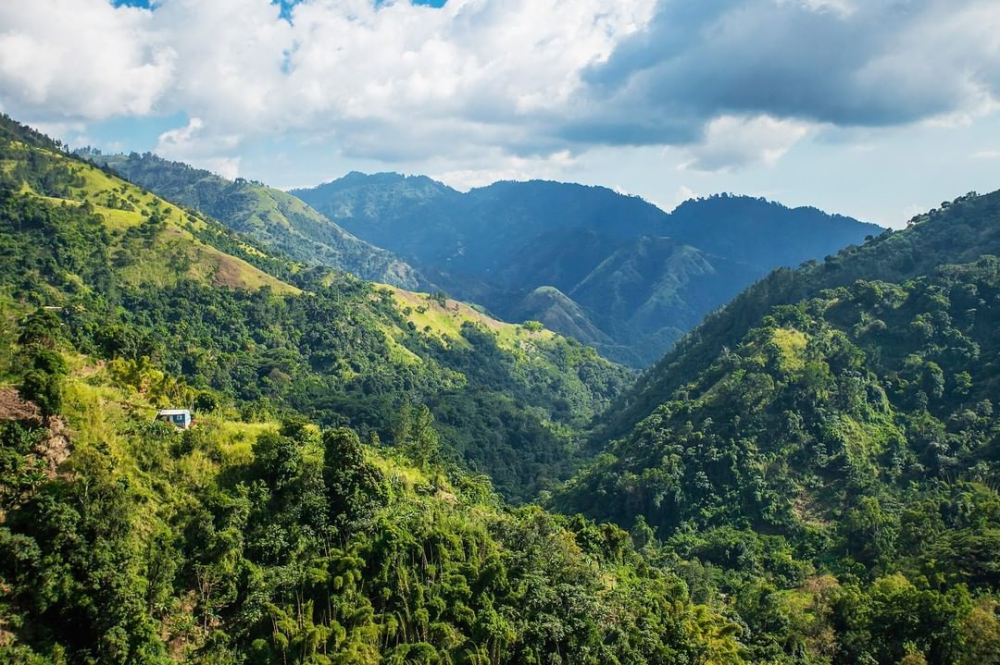
Based on multiple evaluation criteria, including green bean size, defect rate, color, uniformity, as well as cupping performance after roasting (such as dry fragrance, wet aroma, acidity, sweetness, body, and cleanliness), Jamaican Blue Mountain coffee is divided into four grades, in order:Blue Mountain No. 1, Blue Mountain No. 2, Blue Mountain No. 3, and Blue Mountain Peaberry. Among them, Blue Mountain No. 1 is the top grade, requiring green beans to be17 mesh size or above, with a defect rate lower than3%[value missing], moisture content around13%[value missing], and during cupping, it must exhibit delicate aroma, smooth mouthfeel, low acidity, and long-lasting aftertaste.
In terms of packaging and transportation, Blue Mountain No. 1 to No. 3 are the only coffees in the world that are exported inwooden barrels, with specifications of 70 kg, 30 kg, and 15 kg respectively, highlighting their prestigious status; other grades are shipped in the more common 60 kg jute sacks.
So, how can you brew to fully showcase the rich, rounded, and long-lasting aftertaste qualities of Blue Mountain No. 1? Below is a set of practical pour over recommendations:
Recommended equipment:KONO filter cone (due to its special rib design, which is only slightly more than halfway up the cone, it allows the filter paper to adhere tightly to the cup wall, reducing air flow interference, extending extraction time, making flavors more concentrated and balanced)
Parameter settings:
• Dose: 15 grams
• Coffee-to-water ratio: 1:15
• Grind size: EK43s setting 10.5 (approximately 75% extraction through a 20-mesh sieve in China, considered medium-fine grind)
• Water temperature: 87–88°C
• Brewing method: pulse pouring
Steps:
1. Place the filter paper in the KONO cone and pre-wet it with water to make the paper adhere tightly to the cup wall.
2. Add the coffee grounds and gently tap to level the bed.
3. First pour 30 grams of water for the bloom, for about 30 seconds.
4. Second pour steadily up to 125 grams, using an even circular motion from the inside out.
5. When the liquid level drops to about half, proceed with the final pour to reach a total of 225 grams, until dripping is complete, with total brew time around 2 minutes.
Through this brewing method, this brand’s Jamaica Blue Mountain No. 1 exhibits deep dark chocolate and nutty notes, with a rich and full-bodied mouthfeel, and a clear almond-like aftertaste. As the temperature cools slightly, roasted hazelnut, creamy sweetness, and gentle acidity gradually emerge, with lingering aroma that is truly unforgettable.
The above content is compiled by CoffeeHunters, a coffee news website.


