








Introduction:Do you make lattes at home but always feel they fall short of the flavor from café-made ones? The key actually lies in three core elements: bean selection, extraction, and the coffee-to-milk ratio. This article takes a practical home-brewing approach to deeply explore how to choose an espresso blend suitable for lattes, master stable espresso extraction parameters, and find the most palatable coffee-to-milk ratio—helping you step-by-step craft the rich latte you’ve been dreaming of.
Many coffee enthusiasts try making lattes in their own kitchens but often encounter a common issue: even when following tutorials step by step, the final cup somehow lacks the richness and depth that only professional cafés seem to achieve. So what’s going wrong? In truth, crafting a high-quality latte at home isn’t as difficult as it seems—the key is mastering a few critical factors: choosing the right coffee beans, stably extracting high-quality espresso, and adjusting the coffee-to-milk ratio to suit your personal taste.
For many, the first hurdle is figuring out which coffee beans are suitable for lattes. Coffee beans don’t just influence flavor—they directly determine the foundational tone of the entire drink. For example, If you prefer coffee with a rich crema and a bold, full-bodied mouthfeel, you might consider blends that include Brazilian Red Bourbon, Indonesian Mandheling, and Vietnamese Robusta. Such blends deliver outstanding crema performance, providing bold aroma and a rich body whether you’re making a latte or an americano.
If you’re more concerned about cost-effectiveness and balanced flavor, another great option is a blend of washed Yunnan small beans and Brazilian semi-washed beans. Roasted to a medium-dark level, it showcases gentle fruit acidity alongside caramel and nutty notes—ideal for daily drinking and a smooth starting point for beginners. For those who prefer fresh floral and fruity aromas and dislike overly heavy bitterness, a medium-roast fruity blend can offer notes of rose, strawberry, and blueberry. When brewed into a latte, it leaves an almond-like aftertaste in the finish—making it an excellent choice for those seeking a refreshing flavor.
 But don’t assume that just picking the right beans solves everything—coffee bean freshness and resting time are equally crucial. Generally speaking, the optimal extraction period for espresso beans is around 7 to 10 days after roasting. During this time, the beans’ degassing is stable, allowing for richer aroma and layered extraction. After 50 days, the flavor may gradually decline. Therefore, it’s a good idea to let new beans rest for a few days before using them to make lattes—the flavor performance will be noticeably better.
Besides coffee beans, milk is also a key factor influencing the texture of a latte. It’s recommended to prioritize commercially available fresh whole milk—not only does it have stable fat and protein content, but it’s also easier to froth, enhancing the overall smoothness and creaminess of the drink.
Next, let’s talk about espresso extraction—the crucial step that forms the flavor backbone of a latte. Many users mistakenly believe that only expensive machines can produce good espresso, but in reality, as long as you master the correct parameters, even entry-level home machines can consistently deliver high-quality extractions. The key lies in the coffee-to-water ratio and extraction time: it’s recommended to use a 1:2 coffee-to-water ratio, with extraction time controlled between 25 to 30 seconds, ensuring a stable flow rate during extraction to avoid channeling, splattering, or uneven flow.
As for the coffee-to-milk ratio, this is often the most challenging part for people brewing lattes at home. Common questions include: “Should I use one or two shots?” “What’s the golden ratio of coffee to milk?” In truth, there’s no absolute standard answer—it needs fine-tuning based on the flavor intensity of the coffee beans used and individual taste preferences. Generally, the coffee-to-milk ratio for lattes falls roughly between 1:4 and 1:8.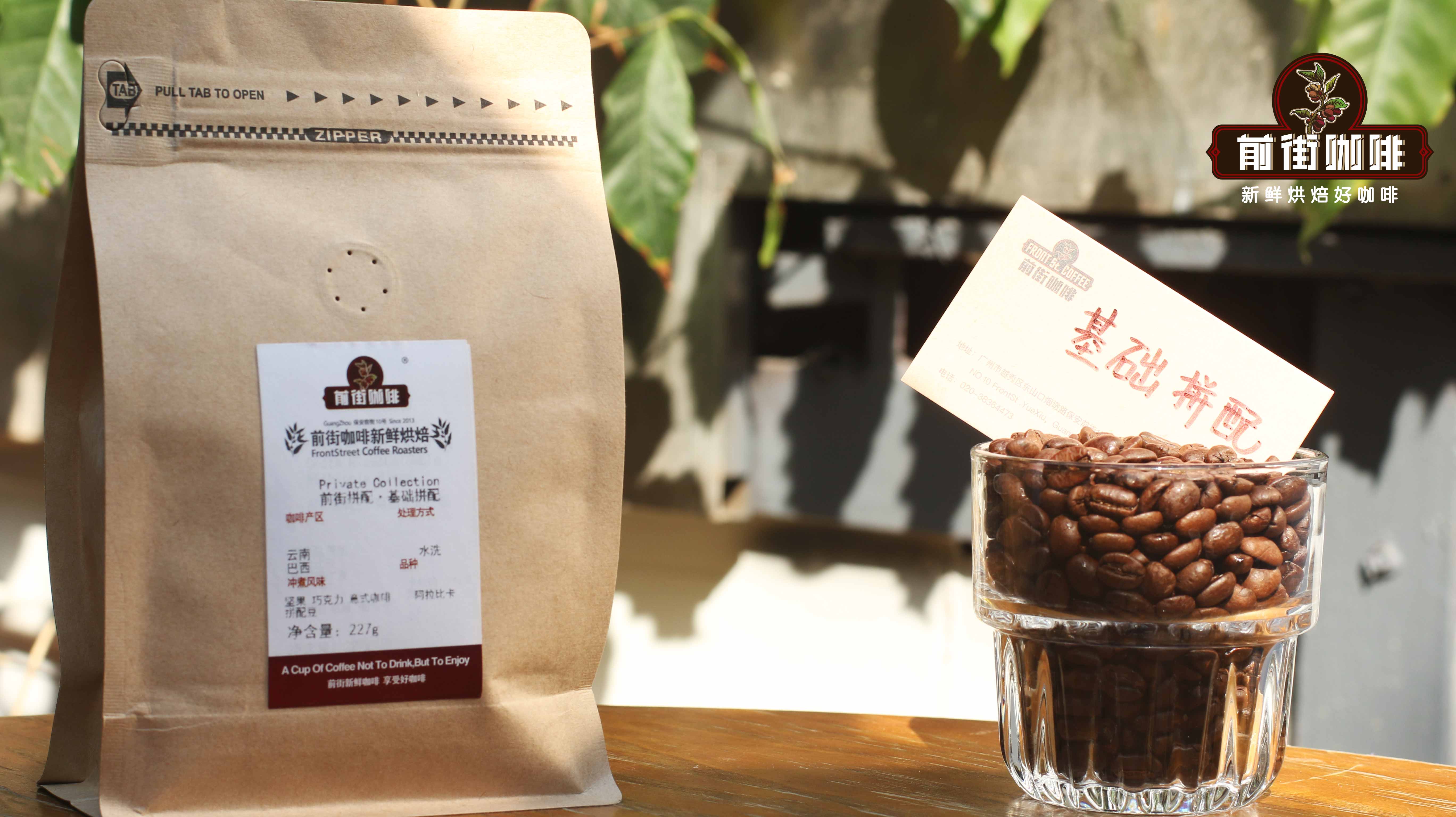 For example, if you’re using a bold, intense blend, it’s advisable to go with a 1:6 ratio to allow the milk to moderately buffer the strong coffee flavors. On the other hand, if you opt for a lighter roast with gentler aroma, you can adjust the ratio to 1:4 to prevent the milkiness from completely overpowering the essence of the coffee.
Finally, to create a complete and smooth latte, fine and stable milk foam is equally indispensable. Although you don’t necessarily need to aim for professional-level latte art and blending techniques at home, producing milk foam with good fluidity and a delicate texture definitely helps enhance overall mouthfeel and integration. If you’re only focused on flavor and not appearance, simply heating the milk and gently stirring it with a spoon is also a simple and practical method.
In summary, the reason cafés can serve a latte that leaves a lasting impression is actually the result of countless adjustments and trials. From bean selection and resting time, to extraction parameters and coffee-to-milk ratios—each step has been repeatedly tested to achieve that seemingly simple yet deeply layered coffee experience. By mastering these key points, you too can replicate your own perfect latte at home.
The above content is compiled by CoffeeHunters, a coffee news website.


