







Introduction:This article delves into how Panama’s Deborah Estate has cultivated a uniquely flavored Geisha coffee through high-altitude microclimates and anaerobic natural processing. Readers will gain a comprehensive understanding of its growing environment, processing methods, and optimal pour over brewing techniques, mastering practical tips for selecting and brewing premium Geisha.
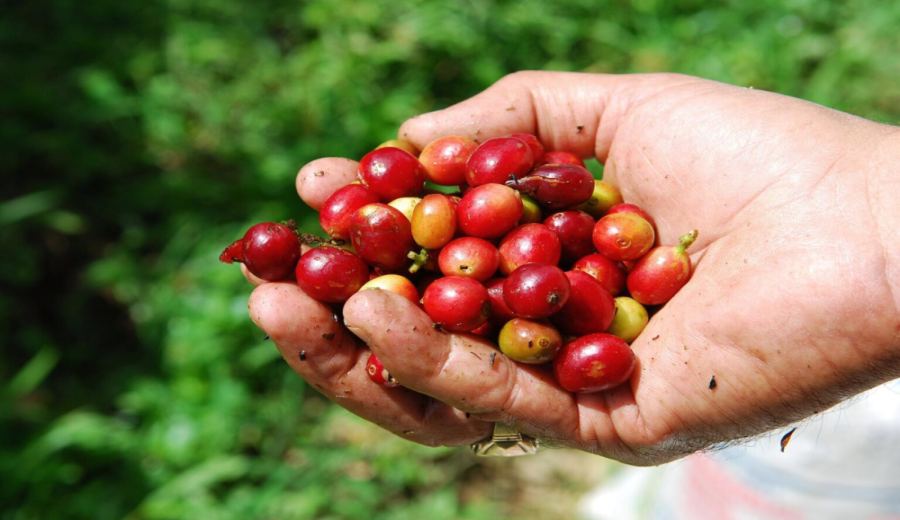
Panamanian Geisha coffee has long been a focal point in the specialty coffee market. From the Green Mountain Estate laying its foundation to today’s widespread cultivation across many farms, consumer demand for delicate flavors continues to rise. Among the many premium estates in Panama’s coffee regions, Deborah Estate stands out as a rising star in the specialty coffee scene, thanks to its altitude exceeding 1900 meters, unique microclimate, and the meticulous processing research led by owner Jamison Savage. The coffee project overseen by Savage sources fully ripe red cherries from small-scale farms in the Boquete and Volcán regions, utilizing anaerobic natural processing to enhance the Geisha’s fruitiness and floral characteristics.
Deborah Estate is located at the heart of Panama’s Volcán volcanic region, surrounded by the pristine tropical rainforest of the Barú Volcano mountains. Planted at elevations over 1900 meters, it is one of the few high-altitude coffee farms in Panama.This elevation results in a day-night temperature difference of up to 10°C. The abundant sunlight during the day aids in sugar accumulation in the fruit, while the cool nights slow down ripening, allowing flavor compounds to develop more fully. The dense forest environment and unique microclimate conditions contribute to the coffee’s distinct acidity, sweetness, and rich aroma.
Although Deborah Estate has not yet won the BOP (Best of Panama) competition outright, its Geisha beans are often the top choice for many competition participants, serving as a crucial behind-the-scenes contributor. The estate’s cultivation philosophy and results have already earned industry recognition through the cupping performances of competing farms.
The origin of the Geisha variety can be traced back to Ethiopia’s Kaffa forests. Around 1931, a British explorer collected seeds from the Gesha Mountains, which were later sent to the Kenya Coffee Research Institute. In 1936, the seeds were transferred to Uganda and Tanzania, then introduced to Costa Rica’s Tropical Agricultural Research and Higher Education Center (CATIE) and cataloged as T2722. By the 1970s, Panamanian farmer Francisco Serracin of Finca Don Pachi brought Geisha seeds to Panama, marking the beginning of its cultivation history in the country.
However, it wasn’t until 2004 that Geisha gained global attention when Daniel Peterson of Hacienda La Esmeralda systematically cupped the variety and discovered its remarkable potential. While Central American coffees typically exhibited flavors like caramel, nuts, and chocolate, Geisha showcased an entirely different profile of citrus, honey, berries, and floral notes, offering a refreshing surprise. Pre-competition cupping notes described the beans as distinctly showcasing jasmine, peach, blueberry, bergamot, and sugarcane,eventually leading to its victory in the BOP competitionand propelling Geisha to international fame.
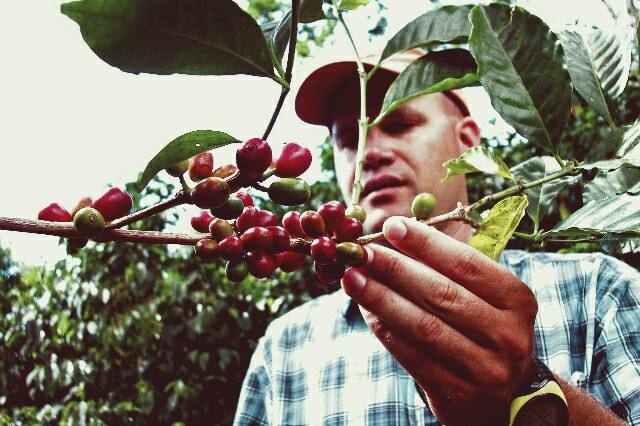
Geisha is an extremely demanding variety to grow, with low yields and relatively fragile branches that require considerable care. Yet it is precisely because of these challenges that it produces such intricate and layered flavors. The Geisha grown at Deborah Estate embodies this sensitivity to its environment and rewards it with extraordinary taste.
Unlike more well-known Panamanian estates, Deborah Estate may not have claimed major awards itself, but it serves as a vital support for many competition participants. Numerous contestants prioritize Deborah’s Geisha beans, often achieving outstanding results with them.
Deborah Estate’s high-altitude setting was once considered unfavorable for coffee cultivation.But in reality, the large day-night temperature variation and low incidence of pests and diseases allow coffee trees to concentrate nutrients in fruit development, resulting in richer flavor profiles. Such an environment presents both challenges and opportunities for delicate varieties like Geisha, and Deborah has successfully enabled the variety to flourish and express its unique charm here.
The Savage Series coffee project, initiated by owner Jamison Savage in Panama’s Boquete and Volcán regions, brings together efforts from local small-scale farms and growers, using only fully ripe red cherries as raw material. Jamison himself has extensive experience in cultivation and post-harvest processing, and has dedicated over a decade at Deborah Estate researching coffee processing techniques, with the goal of ensuring each coffee bean expresses its purest terroir character.
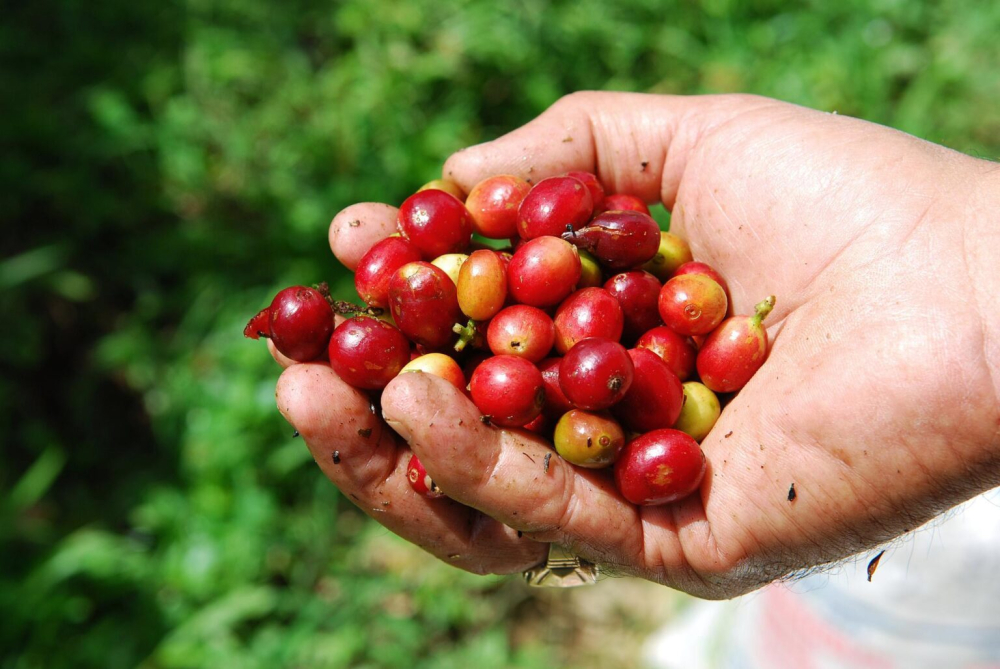
The Savage Series Geisha introduced here is processed usinganaerobic natural processing. During this process, freshly harvested Geisha red cherries are first left to sun-dry in greenhouses until they reach a raisin-like shriveled state. Next, partially dehydrated cherries are placed in sealed containers for a 36-hour anaerobic dry fermentation, after which the skins are removed but 100% of the pulp is retained for further fermentation. This method imparts a richer sweetness and pronounced fruity-floral notes to the coffee, creating a more complex and layered flavor profile.
To fully highlight the floral and fruity-acidic characteristics of this Geisha, the roaster opts for a light roast to minimize the masking effect of heavy roasting on delicate flavors. Lightly roasted beans generally have a lower extraction yield, so the following pour over parameters are recommended for optimal flavor expression:
- Filter: Hario V60
- Water temperature:91°C
- Coffee dose:15 grams
- Brew ratio:1:16
- Grind size: Approximately 80% passing through a standard Chinese No. 20 sieve (medium-fine grind)
Step-by-step guide: Begin with a 30-second bloom using 30 grams of hot water, followed by slow circular pouring centered around the cone to reach 130 grams. Once the water level drops slightly, continue pouring in circles up to a total of 240 grams. Keep the total brew time around 2 minutes to balance acidity, sweetness, and aroma, showcasing the most captivating details of the Geisha.
The above content is compiled by CoffeeHunters, a coffee news website.


