








Introduction:The pain relief brand Fenbid and tea beverage brand TPLUS Tea collaborated to launch a co-branded milk tea called “Unwhitened Sweet Milk Tea,” themed around “Turning Pain into Sweetness.” The campaign quickly sparked heated discussions on social media. Netizens questioned whether it was misleading for a pharmaceutical brand to venture into the food sector and expressed concerns about whether the promotional messaging aligned with the actual product content. This article delves into the background of this cross-industry collaboration, product details, market reactions, and explores the appropriate boundaries for brand co-branding.
Recently, the well-known pain relief brand Fenbid partnered with tea beverage brand TPLUS Tea to open a limited-time pop-up store at Shanghai Plaza, selling the co-branded milk tea “Unwhitened Sweet Milk Tea.” Centered around the promotional theme of “Turning Pain into Sweetness,” the drink rapidly ignited online discussions. Many netizens were puzzled by the pharmaceutical brand’s foray into the food industry and raised doubts about whether the campaign might mislead consumers.
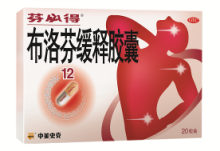
Fenbid, affiliated with Sino-American Shanghai Squibb, is a well-known pain relief brand in the market, offering various dosage forms such as capsules, chewable tablets, and phenacetin tablets. It is particularly favored by many female consumers for relieving menstrual pain. The brand’s past advertisements have primarily centered on heartwarming narratives, depicting how women persevere in the face of challenges and pain while pursuing their dreams, successfully shaping a relatable and emotionally resonant brand image.

However, the milk tea pop-up store in collaboration with TPLUS Tea left many consumers feeling “out of place.” Although the campaign’s theme was framed around “Thanking oneself for every instance of perseverance and effort,” the fact that Fenbid is a pharmaceutical brand inevitably led some to wonder if “ibuprofen” was actually added to the milk tea. Despite the brand promptly clarifying that “Unwhitened Sweet Milk Tea” contains only mochi, fresh milk, and strawberries—with absolutely no medicinal ingredients—the wave of skepticism online did not subside.
Some netizens pointed out that Fenbid’s promotional advertisements heavily feature emotional and growth stories centered on women, which can easily lead people to directly associate the brand with “pain relief,” thereby mistakenly believing that this milk tea actually possesses “pain-relieving” or “soothing” properties. Others even questioned whether such a collaboration constitutes false advertising, especially since both the product name and packaging design deliberately echo Fenbid’s classic imagery—including the use of the brand’s signature color scheme, as well as the launch of co-branded custom cup bodies and sleeves.
In response to public scrutiny, Fenbid commented in the official Weibo review section, stating that this pop-up event was jointly organized by Fenbid and TPLUS Tea, with the milk tea produced solely by TPLUS Tea, confirming that it contains no medicinal ingredients whatsoever. The pop-up store operated from November 25 to December 8, with sales limited to Shanghai Plaza and offering only 365 cups of “Unwhitened Sweet Milk Tea” per day.
Despite the official clarification, many consumers still believe that cross-industry collaborations between pharmaceutical brands and food or beverage products are inherently prone to misunderstanding—especially when promotional tactics overly emphasize emotional resonance without clearly indicating the actual contents of the product, potentially leading to misplaced consumer expectations. Some netizens bluntly stated that this marketing approach of forcibly linking “pain” with “sweetness” borders on emotional manipulation.
Nevertheless, some consumers resonated with Fenbid’s heartfelt copywriting, noting that the brand’s long-standing advertising strategy has successfully built an image of companionship and encouragement. Even amid the controversy surrounding this collaboration, they remain willing to support the brand.
Looking at market precedents, collaborations between pharmaceutical brands and the beverage industry are not entirely new, but most traditional Chinese medicine brands tend to incorporate herbal ingredients with nourishing effects into milk tea—such as goji berries, longan, or red dates—aligning with their brand identity and more easily gaining consumer acceptance. In contrast, Fenbid, as a Western pharmaceutical pain relief brand, collaborating with a sweet beverage like milk tea indeed feels incongruous and inevitably invites criticism of “excessive cross-industry reach.”
The pop-up store featured multiple photo spots, including a cozy little house and Instagram-worthy frames, attracting many consumers to visit and take pictures. However, the actual effectiveness of this co-branded campaign and its long-term impact on the brand still await further market feedback.
The above content is compiled by CoffeeHunters, a coffee news website.


