







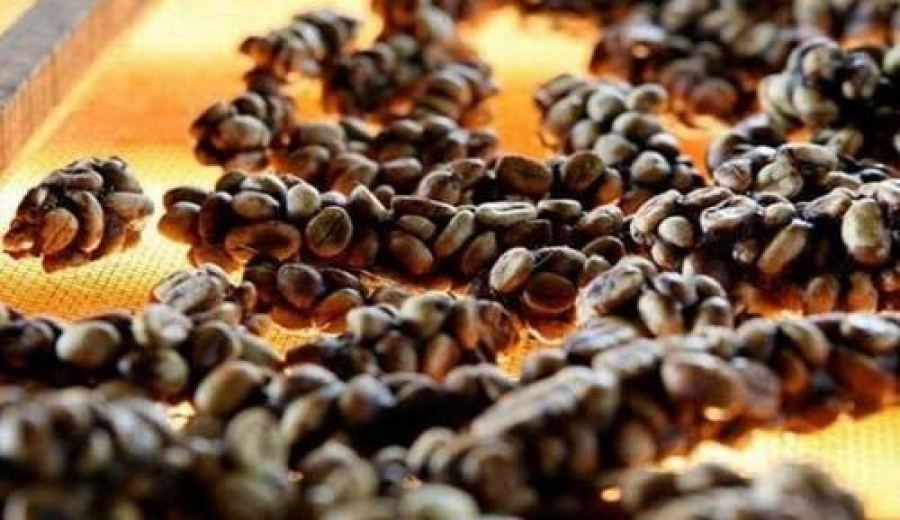
Introduction:Vietnamese civet coffee (also known as kopi luwak) is famous for its high price, but products on the market vary greatly in quality, with many low-cost imitations. This article delves into the digestion process of the civet, the flavor characteristics of authentic beans, and compares differences among the three major producing regions—Indonesia, Malaysia, and Vietnam. It also uncovers the cost structures of wild versus farmed beans to help readers identify authenticity and choose premium coffee worth the investment.
In the world of specialty coffee, civet coffee (commonly known as cat poop coffee) has long drawn attention due to its unique production process and high price. The raw material for this coffee actually comes from coffee beans that have been eaten by civets, processed through their digestive system, and then excreted. After consuming coffee cherries, the civet’s digestive tract absorbs the flesh and most of the fibrous material, while the hard coffee beans, being indigestible, are expelled in the feces. During this excretion process, the beans also come into contact with musk oils secreted by the civet’s reproductive glands, which impart a unique aromatic complexity to the coffee.
Authentic civet coffee often exhibits rich flavors of honey and chocolatey sweetness, with a smooth and mellow mouthfeel, almost no noticeable bitterness or astringency, and excellent milk compatibility. It is also gentler on the stomach upon consumption—these qualities contribute to its popularity.
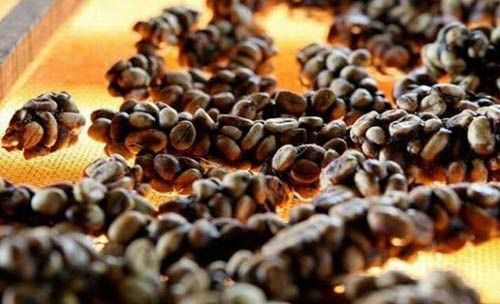
However, due to the limited number of wild civets and the difficulty of collection, the production of genuine wild civet coffee is extremely low, keeping prices high. To meet market demand, some producers have turned to farming methods: confining civets in small spaces and force-feeding them large quantities of coffee cherries, then collecting the beans they excrete. While this practice increases supply, it has raised numerous concerns regarding animal welfare and ethics, and it also affects the final coffee’s quality and flavor purity.
The market often sees instant coffee powders advertised as having a “civet flavor,” which, despite their affordable prices, typically contain little to no actual civet-processed beans—and may even be entirely artificially flavored. Consumers should be especially cautious when purchasing such products. Authentic beans naturally digested by civets generally cost between 200 and 300 yuan per 100 grams, and that’s for the Vietnamese origin. In comparison, civet coffee from Indonesia and Malaysia, due to differences in regional history, proportions of wild beans, and processing techniques, tends to be even pricier. Among these, Indonesian beans are the most esteemed in the market, followed by Malaysian ones, while Vietnamese beans—due to higher farming ratios and market competition—are relatively more affordable yet still significantly more expensive than regular commercial beans.
When selecting civet coffee, consumers should pay attention to several key points: First, check whether the product provides clear information about the origin, processing method (wild or farmed), and any certifications. Second, authentic civet coffee should present noticeable sweetness and a rich mouthfeel when brewed, rather than just roasted or artificial flavoring notes. Additionally, if the price is too low—for example, under 100 yuan per 100 grams—it is very likely just ordinary coffee with a small amount of civet-flavored blend, not beans truly processed by civets.
In summary, the reason Vietnamese civet coffee is priced slightly lower than those from Indonesia and Malaysia mainly relates to the higher proportion of farmed beans, supply levels, and market positioning in Vietnam. However, even Vietnamese-produced civet coffee remains far more expensive than regular coffee beans. Therefore, when making a purchase, consumers should not only compare prices but also understand the product’s origin, processing methods, and true ingredients to avoid paying a high price for imitation products and to truly experience the unique aromatic charm and flavor profile of civet coffee.
The above content is compiled by CoffeeHunters, a coffee news website.


