








Introduction:When selecting beverages, specialty coffee enthusiasts often favor three main types: pour over, cold brew, and espresso. These drinks not only showcase distinct flavor profiles but also reflect differences in coffee bean processing and brewing methods. This article delves into the differences between single-origin and blended beans, ideal extraction parameters for each coffee type, and how to make precise choices at cafés based on personal preferences—guiding you from beginner to advanced level and helping you master the essence of each coffee style.
For true coffee connoisseurs, pour over, cold brew, and espresso are the three most commonly chosen classic coffee types. Pour over extracts coffee through hot water using natural gravity, delivering a clean and layered flavor profile; cold brew involves steeping coffee in cold water for an extended period, resulting in a full-bodied mouthfeel and pronounced fruity sweetness; espresso, on the other hand, relies on high-pressure rapid extraction to produce a small yet intensely rich and bold shot of coffee. In specialty cafés, pour over and cold brew mostly use single-origin beans to highlight regional characteristics, while espresso generally employs blended beans to achieve balanced and stable flavors.

On café menus, pour over, cold brew, and espresso are often the most favored choices among coffee lovers. These three beverages not only demonstrate the diversity of coffee itself but also reflect how different brewing techniques influence flavor. Pour over emphasizes detail and water temperature control, clearly showcasing the inherent characteristics of the coffee beans; cold brew trades time for flavor, making it ideal for those who prefer a refreshing taste; espresso serves as the foundation for many coffee drinks, offering a bold and layered profile.
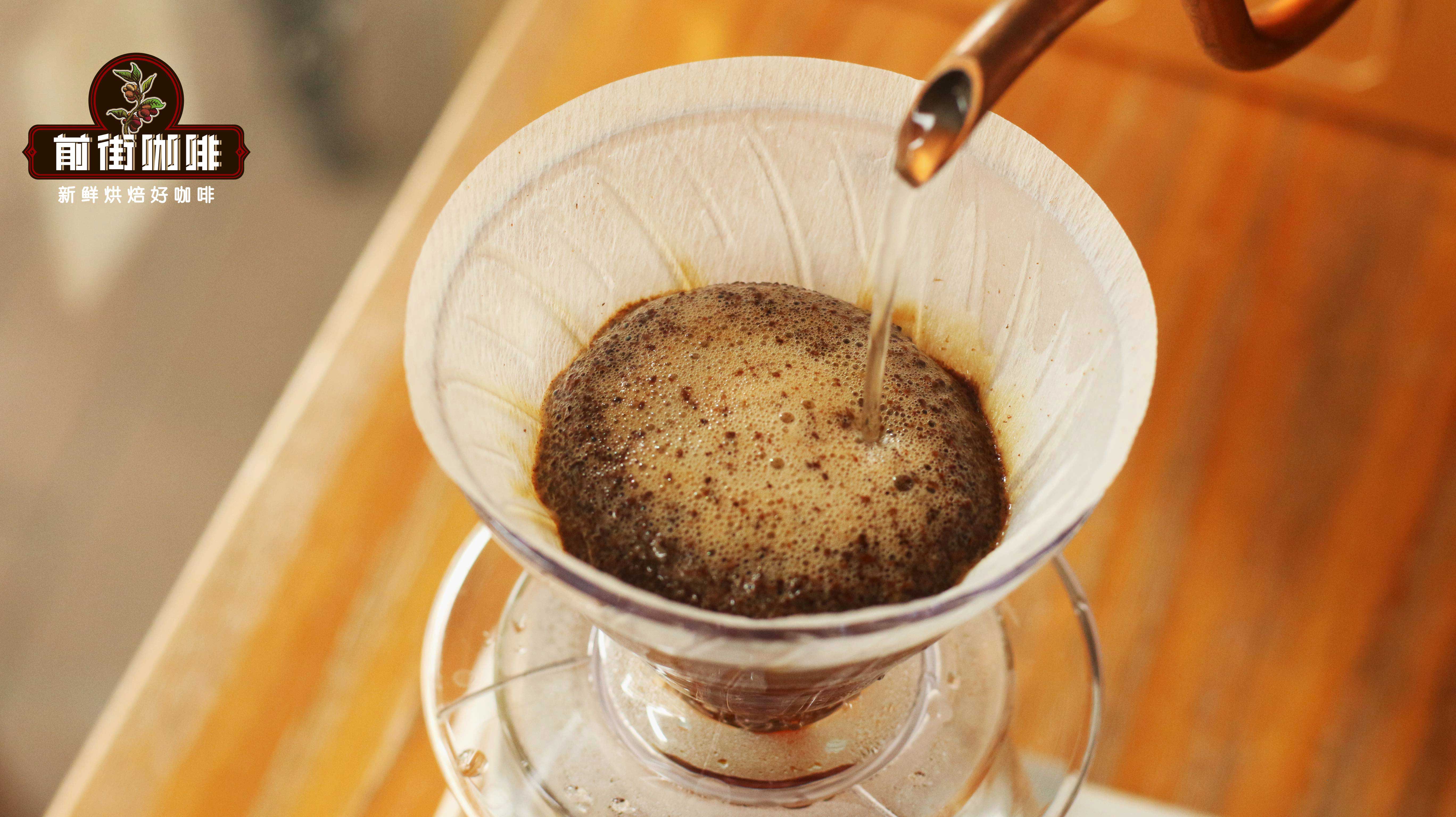
When making pour over and cold brew, cafés typically use single-origin coffee beans—that is, beans from a specific region, rather than a single variety. In contrast, espresso often uses blended beans, combining beans from different regions in specific proportions to achieve harmonious and stable flavors. Understanding the difference between single-origin and blended beans helps consumers make more suitable choices when ordering.
Single-origin coffee refers to beans sourced from a single region that can express the unique terroir of that area. This concept was first introduced in 1978 by Ms. Erna Knutsen at the International Coffee Conference in France, where she defined it as “coffee grown in a particular microclimate and geographical environment, exhibiting distinct regional characteristics.” For example, Ethiopia’s Yirgacheffe is known for its citrus notes and tea-like aftertaste, while Indonesia’s Sumatra Mandheling often carries a herbal and spicy, full-bodied flavor. These distinctive traits are what make single-origin coffee so captivating—it showcases the taste of the region without any added flavorings.
Single-origin coffee is particularly well-suited for brewing via pour over or cold brew, as these methods can gradually extract delicate flavor layers at higher coffee-to-water ratios. However, to fully appreciate these nuances, the freshness of the beans is crucial. It is generally recommended to choose beans roasted within one month for optimal aroma and flavor expression. Many professional coffee shops insist on offering only beans roasted within five days to ensure customers experience coffee at its fullest potential.
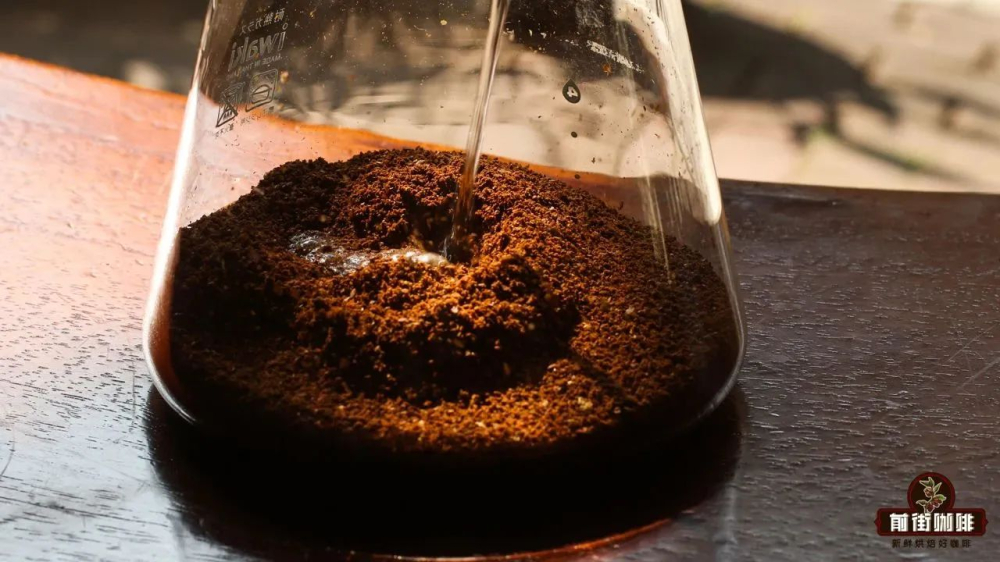
The pour over brewing method pays close attention to details, with factors such as grind size, water temperature, and coffee-to-water ratio all influencing the final flavor. For medium to light-roasted or medium-roasted beans, it is recommended to use a medium-fine grind (about 75–80% passing rate through a Chinese No. 20 standard sieve), paired with a V60 filter cone, with water temperature controlled at 90–91°C, and brewed at a 1:15 coffee-to-water ratio (e.g., 15 grams of coffee grounds to 225 grams of water). For medium-dark roasted beans, a medium-coarse grind (65–70% passing rate) is advised, and a Kono filter cone can be used. Slightly reduce the water temperature to 88–89°C, while maintaining the 1:15 ratio, to bring out a richer mouthfeel.
Cold brew requires consideration of low-temperature extraction characteristics, so beans with noticeable sweet and acidic profiles are preferred, as they help release flavors during prolonged steeping. It is suggested to grind the coffee to a medium-fine level (75–80% passing rate), using a 1:10 coffee-to-water ratio (e.g., 30 grams of coffee grounds to 300 grams of cold or iced water). Stir thoroughly, seal, and refrigerate for an 8 to 12-hour steeping period, allowing the coffee to slowly release a full and refreshing flavor in a low-temperature environment.
Blended coffee beans, also known as mixed coffee, are made by combining two or more beans from different regions in specific proportions, aiming to balance the flavors of each bean and create a more consistent and multi-layered taste. Since coffee beans may vary in flavor from year to year due to climate influences, blends can maintain overall flavor stability by adjusting the proportions of different bean varieties. This approach not only adapts to seasonal changes but also ensures product consistency by substituting with similar-flavored beans when certain supplies are short, making it a top choice for many cafés when crafting espresso.

When making espresso, the use of blended beans is particularly critical. Typically, cafés will mix beans processed with different methods according to the desired flavor profile—for example, combining sun-dried beans with wine barrel-fermented beans to add aroma and body. For instance, a common espresso blend might consist of 70% sherry wine barrel-processed beans and 30% sun-dried Yirgacheffe Red Cherry beans, where the former provides a rich, bold base, and the latter contributes bright aroma and acidity. The two complement each other to form a balanced and layered flavor.
For beginner coffee enthusiasts attempting to make espresso at home, the following basic parameters are recommended: use 20 grams of coffee grounds to extract 40 grams of coffee liquid under 9-bar pressure, with a brewing time controlled between 25 to 30 seconds, and a coffee-to-water ratio of approximately 1:2. These parameters can be fine-tuned based on actual flavor output, such as adjusting grind size or tamping pressure, to achieve the best extraction results. The resulting espresso can be customized to personal taste—adding milk to make a latte, diluting with hot water for an Americano, or pairing with milk foam to create a cappuccino, showcasing the diverse expressions of coffee.

The above content is compiled by CoffeeHunters, a coffee news website.


