








Introduction:For coffee beginners, facing a wide array of coffee beans can often be overwhelming. This article delves into the shelf life and storage methods of specialty coffee beans, and explains how to make selections based on origin and roast date. It also carefully selects seven everyday drinking beans from seven major producing regions across three continents, helping you gradually build your understanding of coffee flavors and find the one that suits your palate the best.
Coffee, cocoa, and tea are ranked as the world’s three major beverages, captivating countless people to explore their mysteries. However, many novice coffee enthusiasts often face one question: with so many different types of coffee beans on the shelves, how do you choose the one that suits you? Especially for pour over beginners, selecting the right beans is key to influencing the overall flavor experience. This article will start with the basics of specialty coffee bean storage, shelf life, and roast date, and recommend classic everyday beans from seven major producing regions across three continents to help you establish a foundational understanding of coffee flavors.
Many people who have just started drinking coffee often wonder if the shelf life of specialty coffee beans is as long as that of instant coffee. In fact, the optimal flavor period of specialty coffee beans is much shorter than you might think. Generally speaking,after roasting, coffee beans are at their peak flavor for about 2 to 3 weeks, and it is recommended to consume them within 1 month. This is because roasted coffee beans continue to release carbon dioxide, with the highest release occurring in the first 3 days after roasting. Brewing them immediately during this period can easily result in astringency and unrounded acidity. Additionally, the peak aroma of coffee beans typically appears around one week after roasting, after which it gradually declines.

The optimal flavor period of specialty coffee beans is generally defined as15 to 30 days after roasting. If stored properly, some medium to dark roast beans can be extended to around 45 days. But if there is obvious oiliness or only a woody smell remains, it indicates that the beans have passed their optimal drinking period. It should be noted thatcoffee beans past their prime not only lose flavor but may also develop unpleasant off-flavors. Therefore, it is recommended to purchase only about two weeks' worth at a time, and to opt for freshly ground and brewed coffee whenever possible to fully enjoy the best coffee flavor.
When selecting coffee beans, origin information is an absolutely essential factor. It is recommended to carefully check the country of origin, growing region, and even the farm name on the packaging. Some products only indicate 'Brazil' or 'Ethiopia' without specifying the exact region or processing method—such beans are often blends from large producing areas, with less consistent flavor and lower quality stability. Truly high-quality specialty coffee can usually be traced back to a specific region, and may even clearly indicate the coffee variety and processing method.It is recommended to choose products that provide specific information on the growing region, variety, and processing method, as this makes it easier to find coffee that suits your taste.
In addition, the packaging date is also an important basis for judging freshness. Green coffee beans can be stored for about 1 to 2 years, but once roasted, the optimal flavor period of roasted beans is only about 2 months. Therefore, when purchasing, choose products that have been recently roasted and ensure you can finish them within the optimal flavor period. Freshly roasted coffee beans contain a large amount of carbon dioxide, and visible bubbling can be observed during brewing, especially more noticeable in light roast beans.
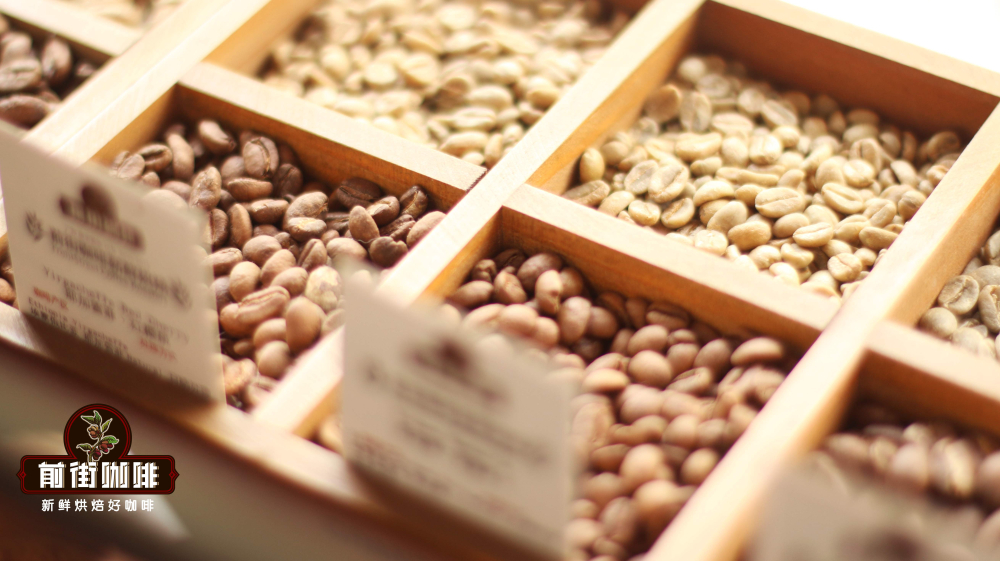
Below are seven carefully recommended everyday beans for beginners, each representing typical flavor characteristics from three major continents: Africa, Latin America, and Asia, helping you gradually build your understanding of coffee starting from flavor profiles.
Representative of Latin American Origins
Brazilian Red Fruit Coffee Beans
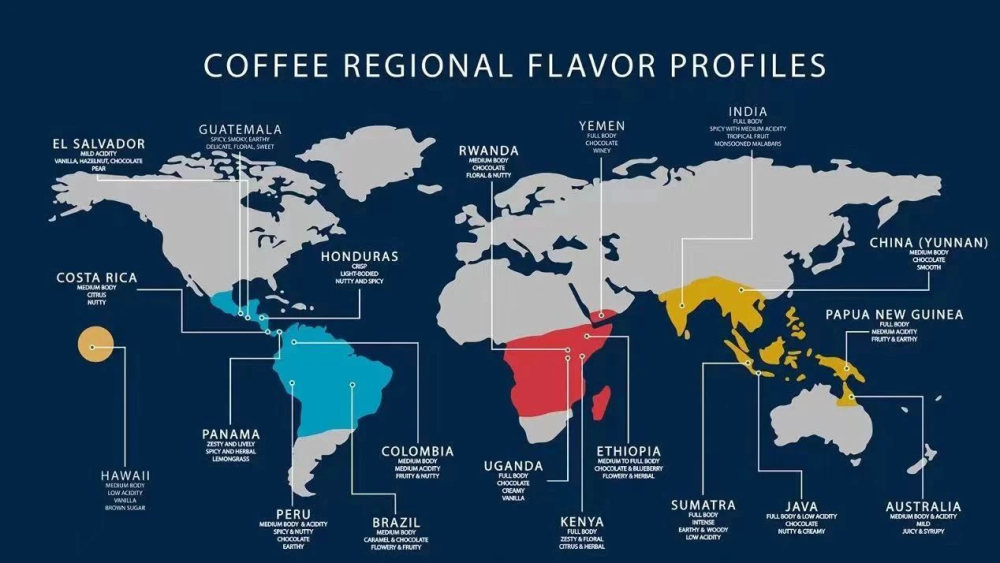
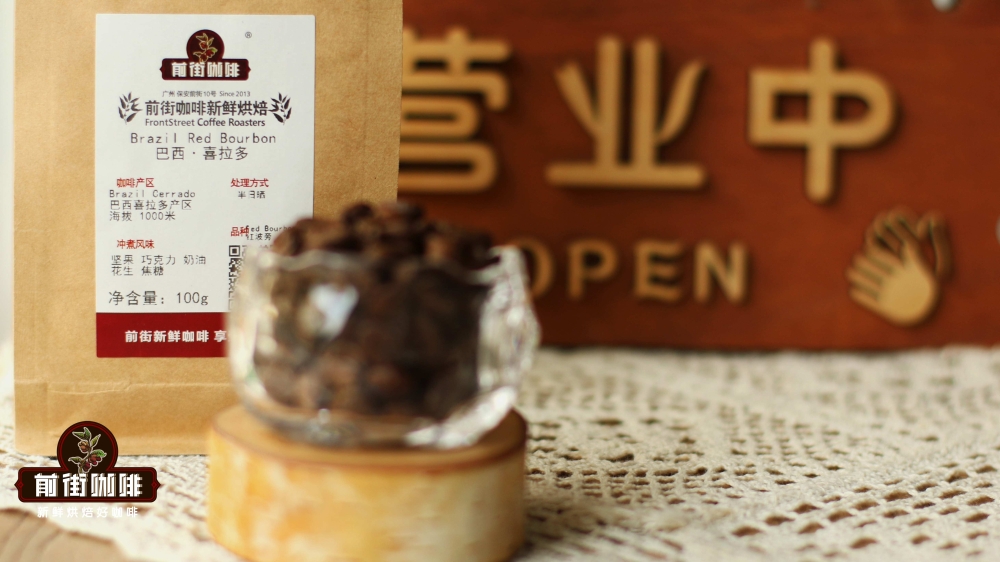
Produced in the South Minas region of Brazil, at an altitude of about 1000 meters, using the Red Bourbon variety and a semi-washed processing method. The highlight of these beans is their pronounced notes of nuts, chocolate, and cream, making them ideal for coffee beginners who prefer rich and bold flavors. Red Bourbon is a relatively common variety in the Arabica family, known for its round mouthfeel and bright berry tones. The semi-washed process allows these beans to still showcase unique fermented aromas and sweetness, even in Brazil’s water-scarce environment.
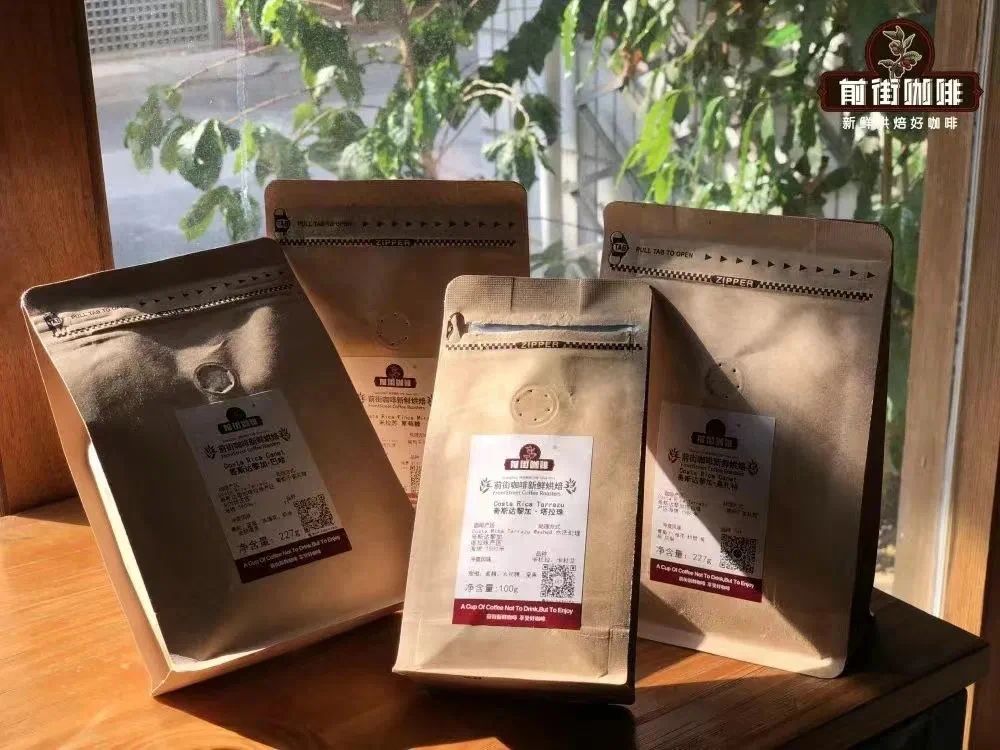
Colombian Huila Coffee Beans
Produced in the Huila region of Colombia, at an altitude of 1500 to 1800 meters, the variety is Caturra, processed using the washed method. These beans are well-regarded for their balanced mouthfeel, gentle fruit acidity, and rich flavors of nuts and chocolate. Caturra is a natural mutation of Bourbon, with higher yields and clear flavors, making it a very common cultivated variety in Latin America. The washed process highlights the inherent regional characteristics of the coffee beans, making the acidity and sweetness more distinct.
Costa Rican Tarrazú Coffee Beans
Produced in the Tarrazú region, located south of the capital San José in Costa Rica, at an altitude of 1500 meters, using the Caturra and Catuaí varieties, also processed with the washed method. This coffee exhibits notes of sweet orange, honey, and nuts, with a clear and layered flavor profile. Catuaí is a cross between Caturra and Mundo Novo, producing firmer cherries and suited for cultivation in windy terrains. Though its flavors may be somewhat simpler, it offers high stability and is a major planting choice in many regions.
Guatemalan Huehuetenango Coffee Beans
Produced in the Huehuetenango region of Guatemala, at an altitude of 1500 to 2000 meters, with varieties including Bourbon, Caturra, and Catuaí, processed via the washed method. These beans carry complex aromas of nuts, lemon peel, and berries, with bright acidity and a juicy sensation. Although not a volcanic region, Huehuetenango’s high altitude and rich soil nutrients give the coffee a rich and layered flavor profile.
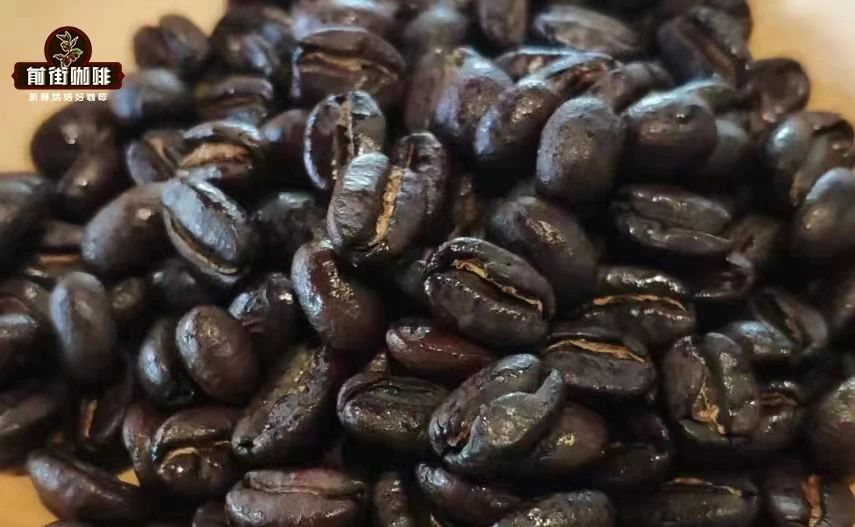
Representative of African Origins
Ethiopian Yirgacheffe Coffee Beans
Produced in the Yirgacheffe region of Ethiopia, at an altitude of 1800 to 2000 meters, using local native varieties and the washed processing method. These beans feature prominent notes of citrus, lemon, and jasmine floral aromas, with a refreshing, tea-like mouthfeel, making them a top choice for many coffee beginners. Yirgacheffe has a distinctive flavor profile, with bright acidity and floral-fruit notes, particularly well-suited for pour over brewing to fully showcase its delicate and nuanced layers.
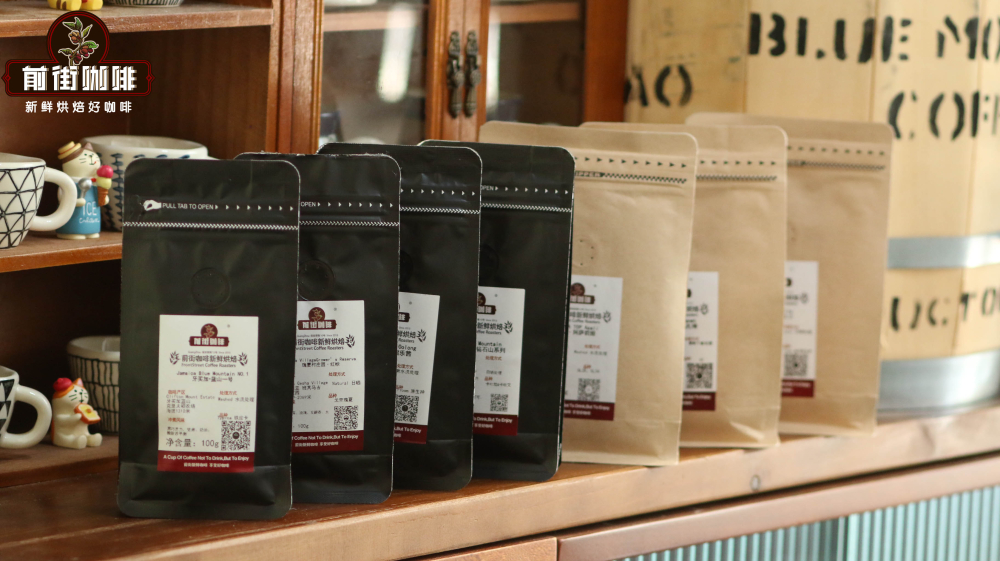
Representative of Asian and Indonesian Origins
Indonesian Mandheling Coffee Beans
Produced in the Mandheling region of Sumatra, Indonesia, at an altitude of 1100 to 1600 meters, with varieties including Typica and Caturra, processed using the wet-hulled (Giling Basah) method. These beans have a rich flavor, featuring notes of toasted bread, nuts, and pine, with a full-bodied mouthfeel and a unique herbal undertone. The wet-hulled method is a unique process in Indonesia that effectively reduces moisture in the rainy climate and brings out intense flavor characteristics.
Yunnan Small-Bean Coffee
Produced in the Baoshan region of Yunnan, China, at an altitude of 1200 meters, the variety is Catimor, processed with the washed method. These beans exhibit notes of melon, muskmelon, and brown sugar, with soft acidity, suitable for coffee lovers who prefer balanced flavors. Catimor is a cross between Caturra and Timor, with strong disease resistance, and is currently one of the mainstream commercial coffee varieties.
In summary, choosing the right coffee beans depends not only on roast date and storage condition, but also on understanding the flavor differences brought by origin and processing method. By trying everyday beans from different origins, you will gradually discover the one that suits you best and enjoy the endless pleasures of pour over coffee.
The above content is compiled by CoffeeHunters, a coffee news website.


