







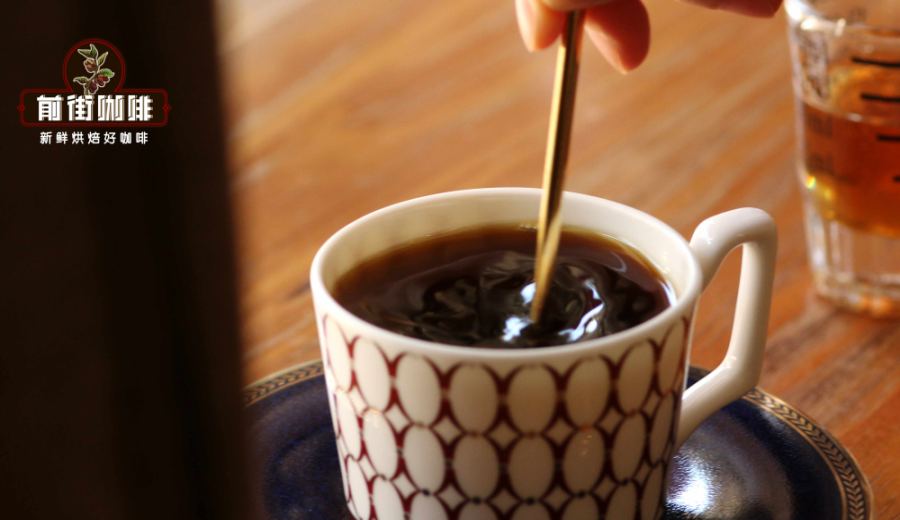
Introduction:The charm of pour over coffee lies in the layered flavors during fresh extraction, but many coffee enthusiasts often wonder: when is freshly brewed coffee most enjoyable? Why does it become increasingly acidic as it cools? Will using a thermos accelerate its deterioration? This article delves into the relationship between coffee temperature and flavor, analyzing why aroma dissipates and acidity intensifies as the coffee goes from hot to cold, and offers practical storage tips and answers to common misconceptions to help you find the golden moment for tasting.
When a cup of pour over coffee has just been brewed, the steaming heat is accompanied by rich aromas wafting through the air — this is the moment when the flavors are at their fullest. However, as the temperature gradually drops, many will notice that the coffee’s complexity noticeably weakens, and even unpleasant sour or astringent notes may emerge. This phenomenon actually involves a dual change in the evaporation of aromatic compounds and the perception of taste.
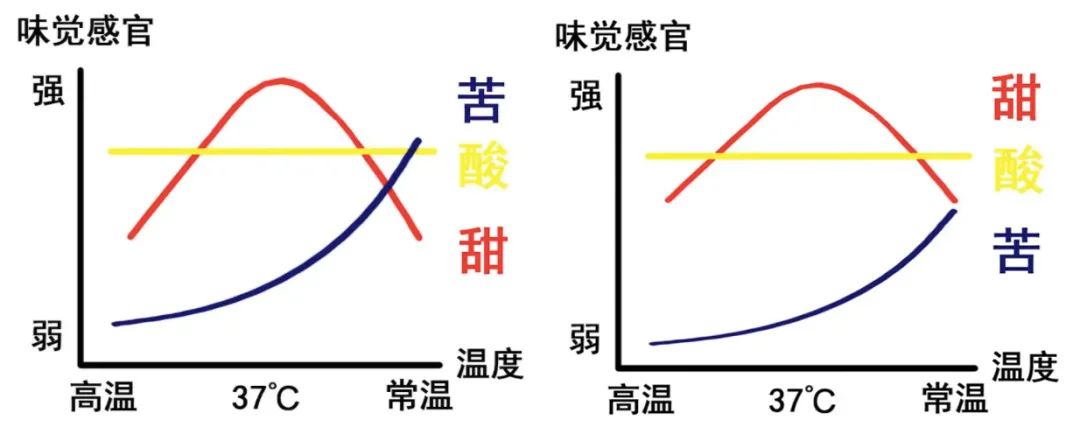
According to observations by coffee experts,the optimal drinking temperature falls between 55 and 65°C. This range preserves enough volatile aromatic compounds without having the high temperature mask the delicate flavor characteristics. When the temperature drops below 50°C, the tongue’s sensitivity to acidity significantly increases — which is one of the main reasons why many people feel that “cooled-down coffee tastes particularly sour.”
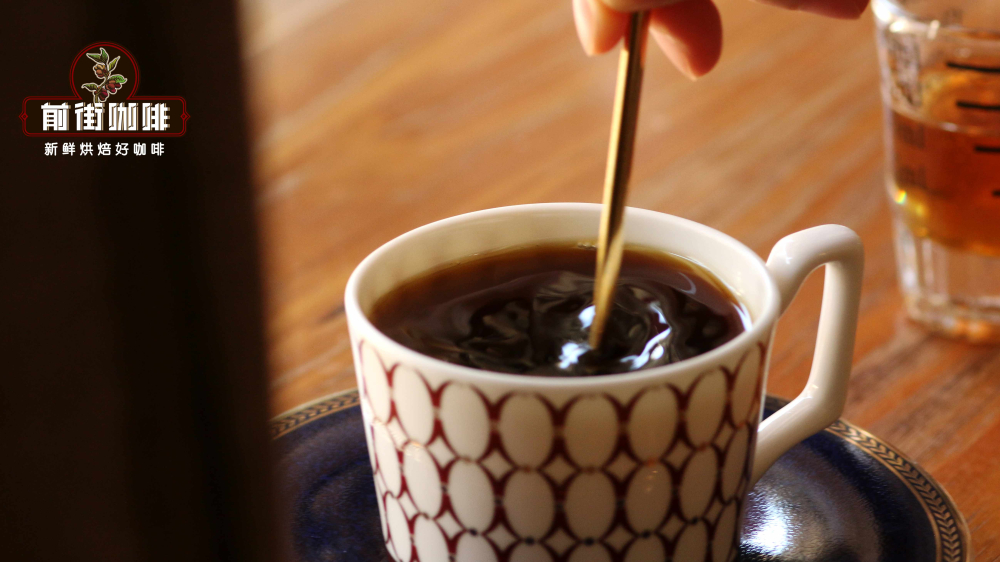
Many coffee lovers often ask: “How long can brewed coffee be kept?” The answer actually depends on how it’s stored. If left exposed to room temperature, it is recommended tofinish drinking it within 15 to 20 minutes, as flavor changes are still within an acceptable range. If using an insulated container such as a ceramic cup, the preservation time may extend to around 30 minutes, but a noticeable decline in aroma intensity will still be felt.
Regarding the common question of storing coffee in a thermos, the answer might surprise some. While a thermos can slow down the rate of temperature drop,a sealed, high-temperature environment can actually accelerate flavor degradation. The acidic substances in coffee may react subtly with metal ions, and the sustained high temperature promotes ongoing oxidation — all of which can lead to unpleasant “stewed” flavors or excessive sourness and astringency.
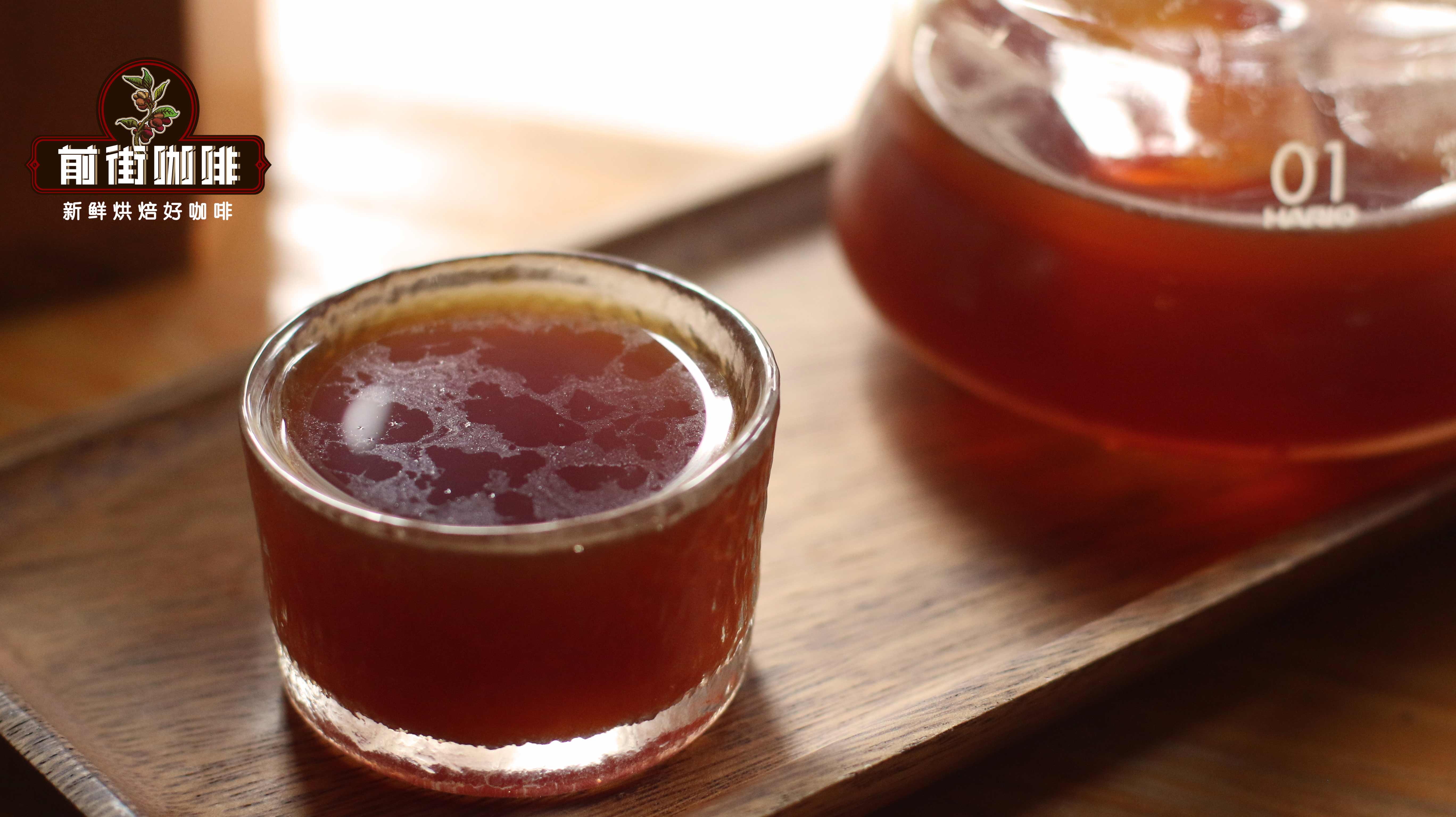
Some readers might consider reheating coffee to restore its flavor, but in practice, this approach has limited effect.The process of coffee cooling from hot to cold is an irreversible evaporation of aroma— once the volatile compounds have dissipated, they cannot be re-gathered by reheating. More notably, reheating may exacerbate undesirable flavors, especially when using localized heating methods like a microwave, which can easily lead to uneven heating.
If short-term storage is truly necessary, the following practical method is recommended: use a pre-chilled stainless steel thermos (non-vacuum insulated type) to maintain the coffee temperature at around 60°C, which can help preserverelatively stable flavor performance for about 40 minutes. But the best practice is still to plan your brew quantity and aim to enjoy it within the golden drinking window.
With these details in mind, coffee enthusiasts can more scientifically plan their drinking moments. Remember, the charm of pour over coffee lies in the exquisite balance achieved during fresh extraction. Mastering the appropriate drinking temperature and storage methods allows you to fully experience the unique flavor profile of each coffee bean.
The above content is compiled by CoffeeHunters, a coffee news website.


