







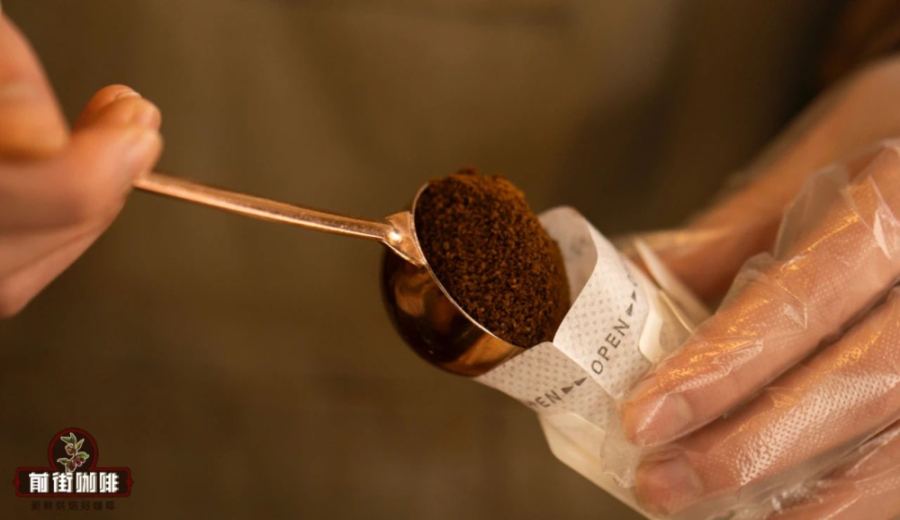
Introduction:Drip bags combine convenience with freshly ground flavor, making them a favorite among modern coffee enthusiasts. But do you know how much is appropriate to drink each day? And what flavor characteristics do drip bags of different roast levels have? This article delves into the positive and negative health impacts of drip bags, provides precise brewing parameters, and teaches you how to choose the right style based on your taste preferences—helping you brew a professional-grade cup of coffee at home.
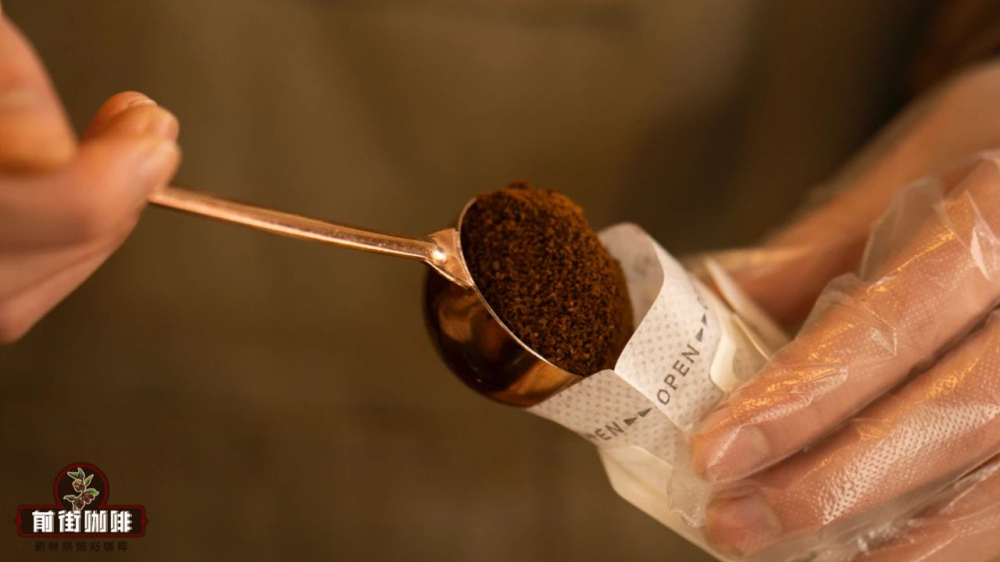
A drip bag is a type of drip-filtered coffee that combines convenience with the flavor of freshly ground beans. It involves grinding roasted coffee beans to an optimal extraction coarseness and sealing them in a filter bag. This design allows you to enjoy a pour over-like coffee experience without additional equipment—just hot water and a cup. The resulting brew is typically pure black coffee, with no sugar or milk added.
From a health perspective, moderate consumption of drip bags offers numerous benefits. According to research in "The Science of Coffee Aroma," daily intake of a proper amount of black coffee can help boost alertness, promote fat metabolism, and positively impact cardiovascular health—for example, by improving blood vessel elasticity and reducing the risk of certain cardiovascular and cerebrovascular diseases. However, excessive intake may stimulate the central nervous system, leading to symptoms such as palpitations, irritability, or insomnia, and may even exacerbate psychological stress. Generally, one 10-gram drip bag yields about 150 milliliters of coffee liquid. It’s recommended to consume no more than two cups per day, though the exact amount should be adjusted according to individual constitution.
Brewing a great-tasting drip bag coffee actually follows the same basic principles as pour over: using appropriately heated water to extract flavor compounds from well-ground coffee. Therefore, it’s crucial to choose freshly roasted drip bag products. To preserve optimal flavor, many brands ship their products shortly after roasting to ensure consumers receive them at their peak.
The production process of drip bags emphasizes efficiency and aroma preservation: after roasting and sufficient cooling, the coffee beans are immediately ground to a suitable extraction coarseness and quickly portioned into individual 10-gram sealed packets to maximize the retention of aroma and flavor compounds. Commercial products are often sold in units of 100 grams (i.e., 10 packets) for everyday convenience.
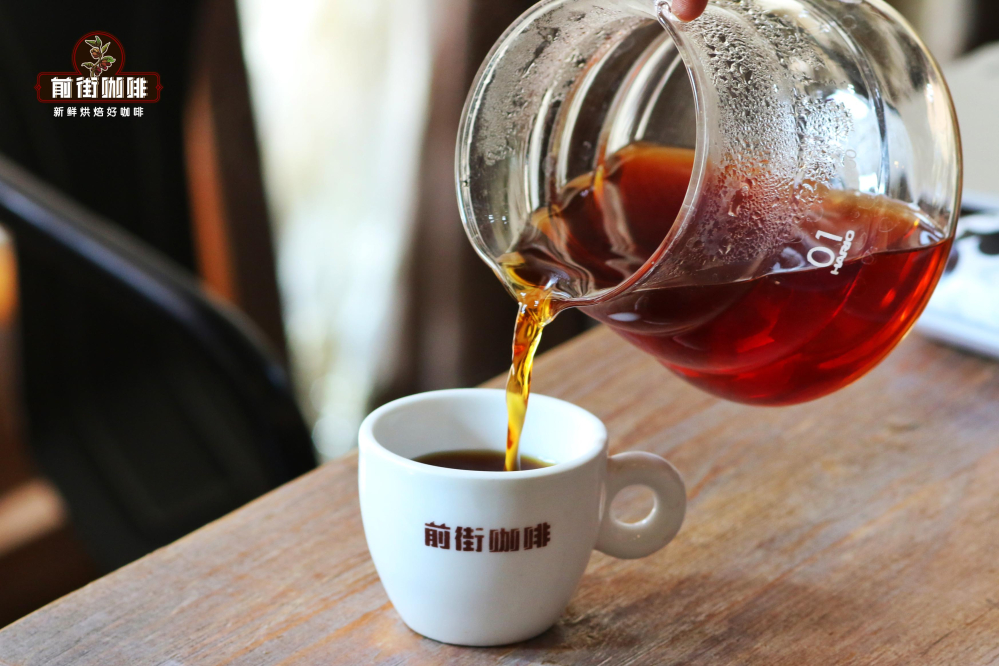
Choosing a drip bag that suits your taste hinges on understanding the flavor profiles associated with different origins and roast levels. If you prefer bright acidity and floral notes, try a medium-light roast Ethiopian Yirgacheffe-style drip bag, which features a refreshing citrus tone and white floral aromas. For a more balanced cup—neither overly acidic nor bitter—a medium-dark roast Brazilian drip bag is a great option, often showcasing the mellow texture of nuts and chocolate.
For coffee lovers who enjoy a rich, low-acid profile, a medium-dark roast Indonesian Mandheling drip bag is worth trying. This classic single-origin Asian coffee often exhibits pronounced pine, herbal aromas, and a soft caramel sweetness, with low acidity and a full body—perfect for those who prefer a bold flavor.
Although drip bags are easy to use, the brewing method still follows certain standard procedures—don’t treat them like tea bags by simply steeping them. The correct approach is: after removing the outer packaging, tear along the dotted line to open the drip bag, then pull the two “ears” outward and securely place it on the rim of your cup. It’s recommended to use a straight-sided cup with a moderately sized opening to avoid the water level rising above the bottom of the filter bag during pouring, which could affect extraction evenness.
Water temperature should be adjusted according to roast level: for light to medium roasts, it’s recommended to use water at 90–91°C to fully bring out acidity and aroma; for medium-dark to dark roasts, lower the temperature to 88–89°C to avoid over-extraction and bitterness. The recommended coffee-to-water ratio is 1:15—that is, 10 grams of coffee grounds to 150 grams (approximately 150 milliliters) of hot water.
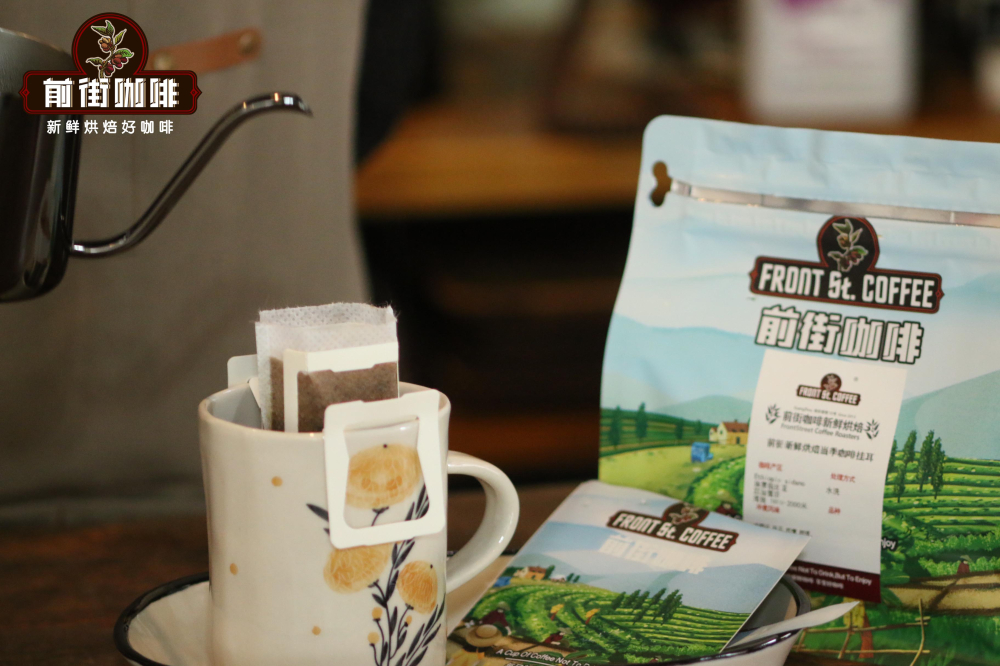
In terms of specific brewing steps, it’s recommended to start with 20 grams of hot water for a bloom, evenly wetting the coffee grounds and letting it sit for about 30 seconds to initiate extraction. Then, pour in a circular motion from the inside out, avoiding over-extraction in any single spot. You can pour in three stages, pausing briefly after each to allow the water and coffee grounds to fully interact, with the total water volume controlled at around 150 grams; if you prefer a stronger taste, you can reduce it to about 130 milliliters, adjusting to personal taste.
Once all the hot water has completely filtered through the coffee grounds, remove the drip bag and gently swirl the coffee in the cup before enjoying. If desired, you can also add milk, plant-based milk, or sugar to tailor the flavor to your liking.
The above content is compiled by CoffeeHunters, a coffee news website.


