








Introduction:Flat White and Latte are common styles of Italian-style milk coffee, but they differ significantly in milk foam thickness, espresso dosage, cup volume, and flavor profile. This article delves into the preparation standards, core parameters, and sensory experiences of both drinks, and offers practical milk frothing techniques and extraction tips to help you accurately grasp the essential differences between these two classic coffees—whether you're enjoying them in a café or recreating them at home.
In the world of Italian coffee, Latte (Coffee Latte) and Flat White are the two milk coffee styles most frequently compared. Both drinks are based on espresso and paired with steamed milk, but they hide many nuanced differences in the details. From milk foam thickness and cup size, to the choice of espresso and final flavor presentation, each reflects a different design logic and taste orientation.
As one of the most globally recognized coffees, the name "Latte" comes from the Italian word for "milk," which tells you this is a coffee where milk takes center stage. Early versions of Latte didn’t even include milk foam—it was simply a mix of coffee and hot milk. Nowadays, it typically has a light layer of foam to facilitate latte art. Its defining feature is a balanced ratio of coffee to milk, with prominent milk aroma and a soft mouthfeel.
As for Flat White, it is widely believed to have originated in Australia, with some suggesting it evolved through the fusion of European immigrant coffee culture and local practices around the time of World War II. Compared to Latte, Flat White usually has a smaller cup size, a lower proportion of milk, and a relatively higher ratio of espresso, resulting in a more intense coffee-forward flavor.
In terms of milk foam handling, the two also showcase distinctly different styles. Latte foam is about 1 cm thick, with a fluffier texture that’s ideal for creating various latte art patterns; whereas Flat White foam is only about 5 mm thick—very fine and smooth—which integrates tightly with the coffee, delivering a smoother and thicker mouthfeel.
When it comes to espresso usage, Flat White typically employs a single or double Ristretto shot, which is extracted over a shorter time with a slower flow rate, resulting in a more concentrated flavor with pronounced sweetness. Latte, on the other hand, mostly uses a standard single or double Espresso, offering a richer flavor profile with relatively more prominent acidity and aroma.
In actual serving sizes, a regular Latte is about 300 ml, containing roughly 40 g of espresso combined with about 260 ml of milk and foam; while Flat White generally uses a cup of around 220 ml, with about 30 g of espresso and approximately 190 ml of milk plus an extremely thin layer of foam. This means that in every sip of Flat White, the coffee proportion is higher, making the flavor more distinct.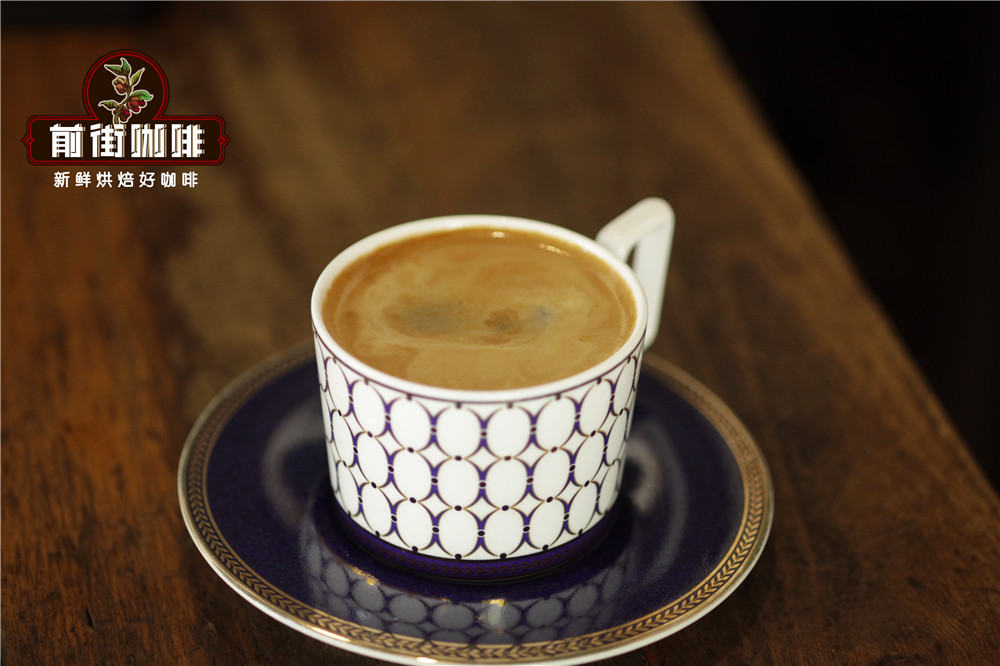
In terms of mouthfeel, Latte is like a creamy milk drink with a hint of coffee aroma—light on the palate with noticeable foam presence; whereas Flat White is more like a smooth milk beverage led by espresso, with thin, well-integrated foam and an overall finer, more focused texture.
For home preparation, if you want to try replicating these two classic coffees, here are several key parameters to keep in mind: when extracting espresso, the pressure is generally set to 9 bar, water temperature around 94°C, extraction time between 20 to 30 seconds, and a coffee-to-water ratio of about 1:1.7 to 1:2—with a single shot using around 12 g of coffee and a double around 20 g. The resulting espresso volume is about 20 ml for a single shot and about 40 ml for a double.
As for the milk, it’s recommended to use whole fresh milk, steamed to a temperature between 50–60°C. Too low a temperature will affect aroma release, while too high can damage the protein structure, leading to a rough mouthfeel. Latte foam should be about 1 cm thick, while Flat White only needs about 0.5 cm. Be sure to control the amount of foam during steaming to avoid excessive thickness that could throw off the overall flavor balance.
In summary, although both Latte and Flat White are Italian-style milk coffees, the former emphasizes harmony between milk and coffee, making it ideal for those who enjoy milky aromas and a soft texture; the latter puts espresso in the spotlight, with thinner foam and a more direct coffee expression, suiting those who prefer a bold flavor. No matter which you choose, mastering coffee bean selection, extraction conditions, and milk frothing techniques will allow you to enjoy a café-quality experience at home.

The above content is compiled by CoffeeHunters, a coffee news website.


