








Introduction:Many coffee enthusiasts suspect a mistake in brewing when they taste acidity in their Americano. In fact, coffee acidity stems from natural fruit acids and processing methods, and the right level of acidity can actually enhance the overall flavor profile. This article delves into the various reasons why an Americano might turn out acidic—from roast level, water temperature, grind size, coffee-to-water ratio, to extraction time—and step-by-step teaches you how to adjust these factors. It also introduces the current trend of Single Origin Espresso (SOE) Americanos and offers suggestions for blend combinations.
Americano is often perceived as a bitter and bold drink, yet many people find it noticeably acidic when drinking it. Is this acidity normal? Does it mean the coffee was brewed poorly? In truth, coffee beans are rich in various organic acids such as citric acid, malic acid, and quinic acid—these are essential components that shape coffee’s flavor. Different roast levels and brewing techniques can significantly affect the balance among the three main flavor compounds: acidity, sweetness, and bitterness.
Generally speaking, acidic compounds are released earlier in the extraction process, followed by sweet elements, while bitterness tends to emerge later. If an Americano tastes overly sour, it may be due to too short an extraction time, causing the acids to come out first while sweetness and bitterness have not yet fully developed, resulting in a flavor imbalance. Conversely, if the coffee is too bitter, it may be over-extracted, with excessive bitter compounds dissolving into the brew.

The common perception that Americano should be “bitter” largely stems from the fact that most cafés use dark roasted beans. During dark roasting, the acids within the coffee beans break down under high heat and transform into more caramelized and bitter substances, leading to a bolder, less acidic taste overall. However, in recent years, with the rise of the third wave coffee movement, consumers have begun to favor coffees with distinct fruity acidity and floral notes, prompting Americanos to embrace a more diverse flavor profile beyond the traditional burnt-bitter taste.
If your brewed Americano is noticeably too acidic, you can adjust it through the following aspects:
1. Roast Level Selection:Dark roasted beans usually suppress acidity and are suitable for those who prefer a bold and full-bodied taste. If you’re using light or medium-light roasted beans, consider switching to dark roasted blends such as Brazil or Colombia—these bean varieties maintain good sweetness and low acidity even when dark roasted.
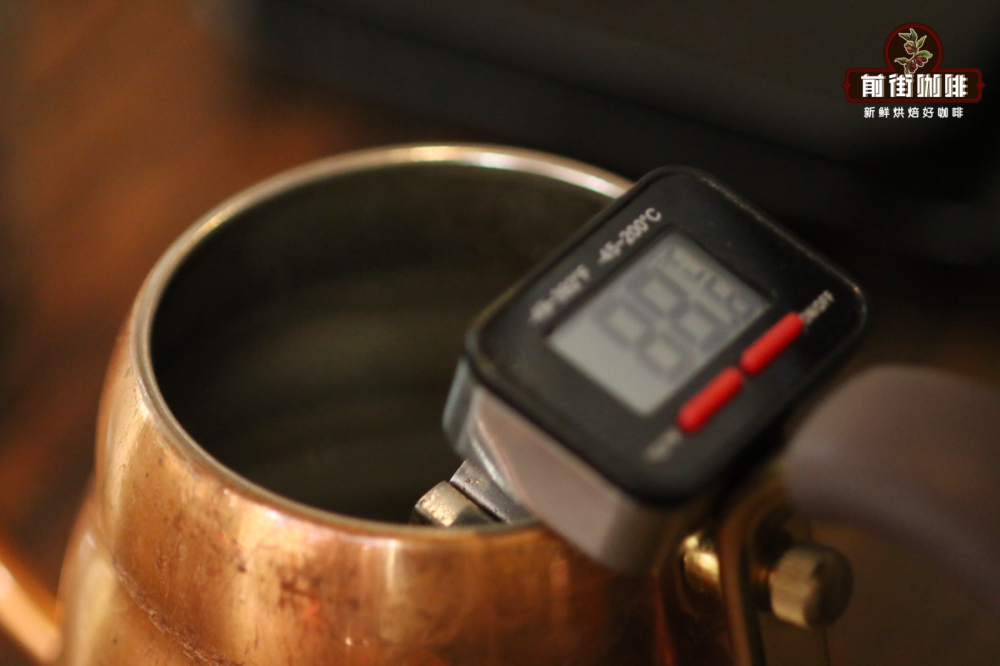
2. Water Temperature Control:It is recommended to use hot water at 90°C to 93°C for extraction. If you find the acidity too prominent, you can lower the water temperature to around 88°C and slightly extend the extraction time. This helps round out the acidity and enhances the sweetness.
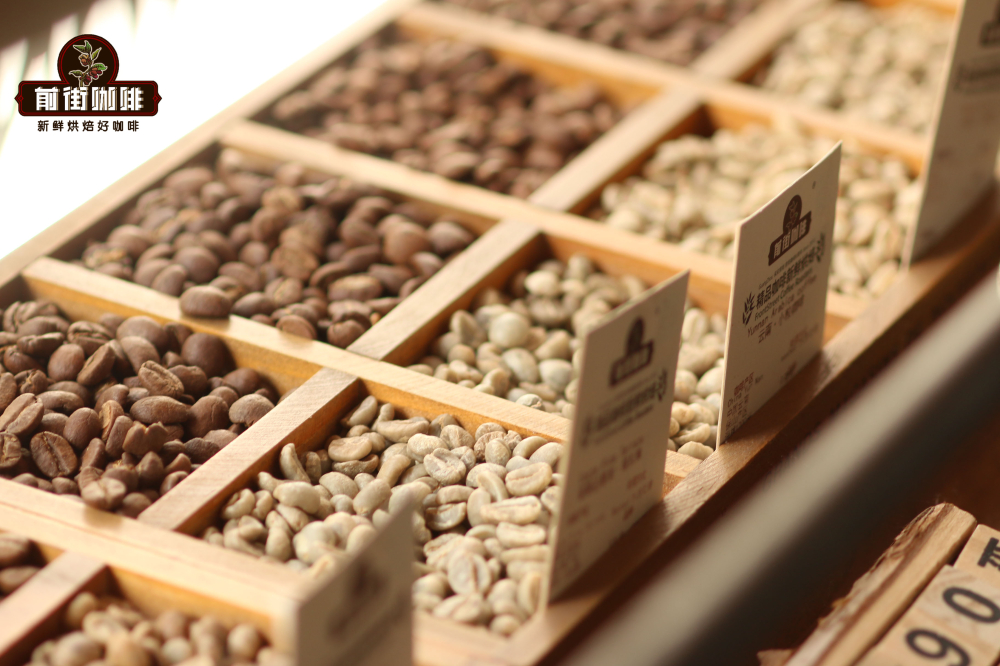
3. Grind Size Adjustment:A grind that is too coarse causes water to pass through the coffee grounds too quickly, resulting in under-extraction and pronounced acidity. It is advisable to make the grind finer, increasing the contact area and time between coffee grounds and water. This improves overall extraction efficiency and balances acidity, bitterness, and sweetness.
4. Coffee-to-Water Ratio and Water Volume:A common coffee-to-water ratio for Americano is 1:15. If the acidity is too strong, try adjusting to 1:16 or even 1:17. By increasing the total water volume, you can dilute the sharpness of the acidity and achieve a softer overall flavor.
5. Extending Extraction Time:If the total extraction time is too short, it can lead to over-extraction of acidity and insufficient sweetness and bitterness. Where your equipment allows, moderately extending the extraction time is recommended—but for 15 grams of coffee, the total time should ideally not exceed 2 minutes and 15 seconds to avoid over-extraction and bitterness.
Additionally, channeling is a common issue. When water flows through only part of the coffee bed, it leads to localized over-extraction and under-extraction elsewhere, creating an uneven flavor profile. This may result in sharp acidity alongside unpleasant bitterness. Solutions include using a distribution tool to evenly spread the coffee grounds and ensuring consistent tamping pressure to minimize direct water channels.
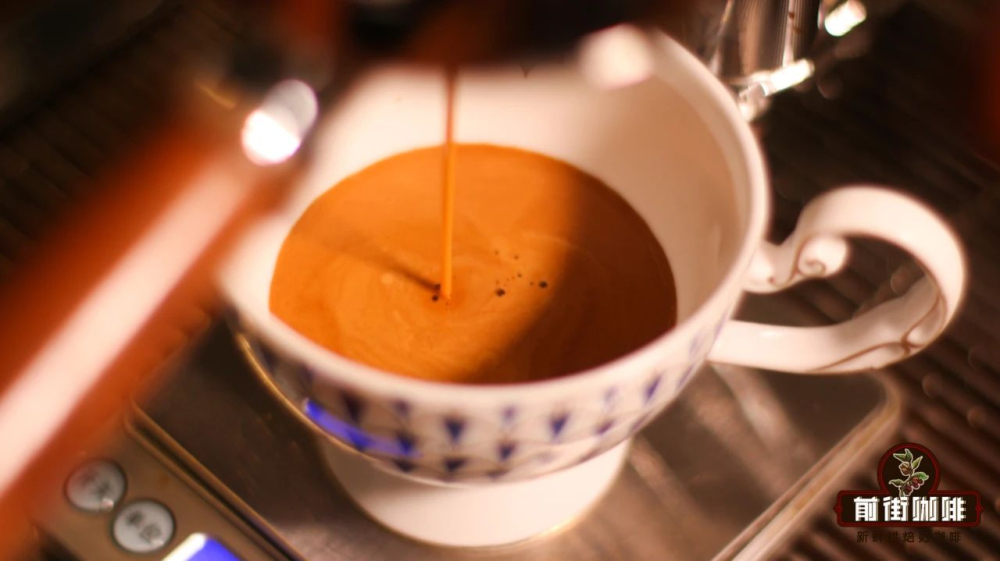
Recently, Single Origin Espresso (SOE) Americanos have become a market favorite. These coffees are made by extracting espresso from beans sourced from a specific origin, aiming to highlight the unique flavor characteristics of that region. For instance, an Ethiopian SOE often features pronounced berry or citrus acidity, delivering a bright and lively taste. Compared to traditional blends, SOEs better showcase regional traits and the nuances of processing methods.
Since SOEs are typically lightly roasted, their acidity is more pronounced, so when used to make Americano, the sourness often takes center stage. However, this acidity isn’t a flaw but rather part of the flavor profile. With proper overall balance, it can offer a surprisingly delightful taste experience.
If you prefer an Americano with noticeable acidity yet layered complexity, you can try selecting appropriately roasted SOE beans and fine-tune the aforementioned extraction parameters to find your personal optimal flavor balance.
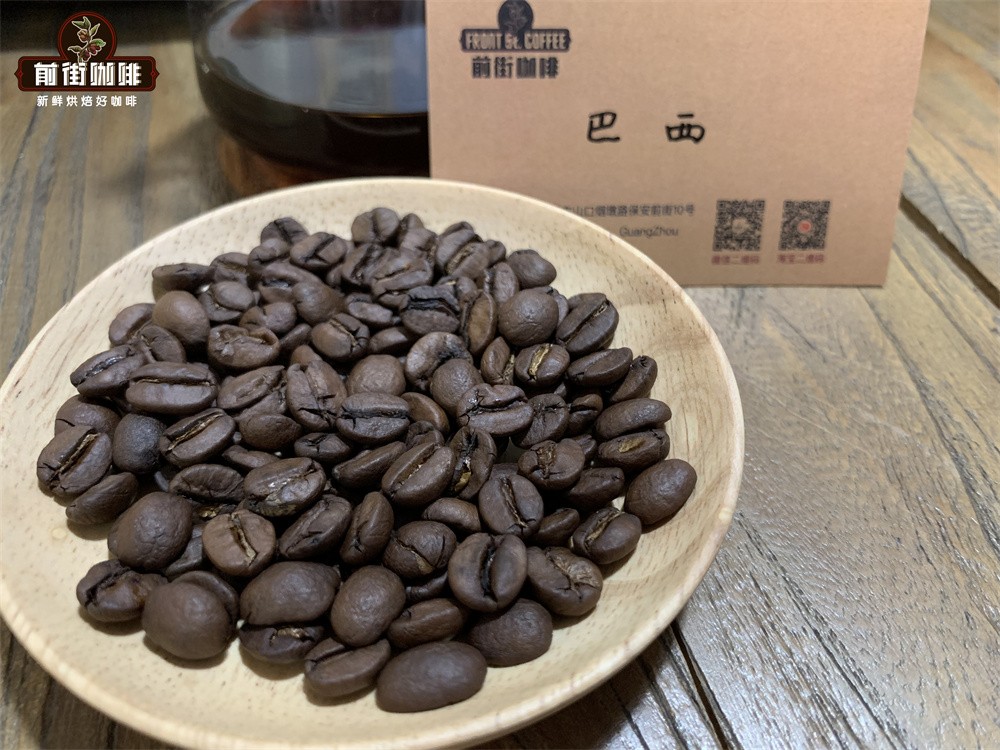
No matter which beans or brewing method you choose, the freshness of the coffee beans has a huge impact on the final flavor. Freshly roasted coffee beans typically enter their optimal flavor window 5 to 7 days after roasting—during this period, the beans exhibit the most vibrant and lively flavors. It’s recommended to choose products labeled with roast dates and use them within about a week of roasting.
Additionally, if you purchase pre-ground coffee, the increased surface area exposed to air accelerates oxidation, so it’s best to use it promptly to avoid prolonged storage that leads to flavor loss. Therefore, for coffee enthusiasts seeking the ultimate flavor experience, buying whole beans and grinding them fresh remains the best way to enjoy coffee.
The above content is compiled by CoffeeHunters, a coffee news website.


