







Introduction:Cold brew coffee, known for its refreshing low acidity and layered flavor profile, has become the go-to choice for many coffee enthusiasts in recent years. But did you know that Blue Mountain coffee is suitable for cold brewing? This article will delve into the differences between cold steeping and ice drip, explore the growing environment and unique flavors of Blue Mountain coffee, and provide detailed guidance on bean selection, grind size, coffee-to-water ratio, and optimal steeping time for cold brew. From basics to hands-on practice, we’ll help you master the key techniques for making an exceptional cup of cold brew Blue Mountain coffee.
Cold brew coffee can generally be divided into two main types: cold steeping and ice drip. Both methods use low-temperature water for extraction, during which larger bitter-tasting molecules are less likely to be released, allowing sugars and organic acids to dissolve more fully into the water. This results in a more balanced and mellow final cup. However, factors such as the type of coffee beans used, grind size, coffee-to-water ratio, and steeping duration all significantly influence the final flavor. This article takes Jamaican Blue Mountain No. 1 as an example, starting with the origin background of Blue Mountain coffee, and then taking you through every detail of the cold brew process.
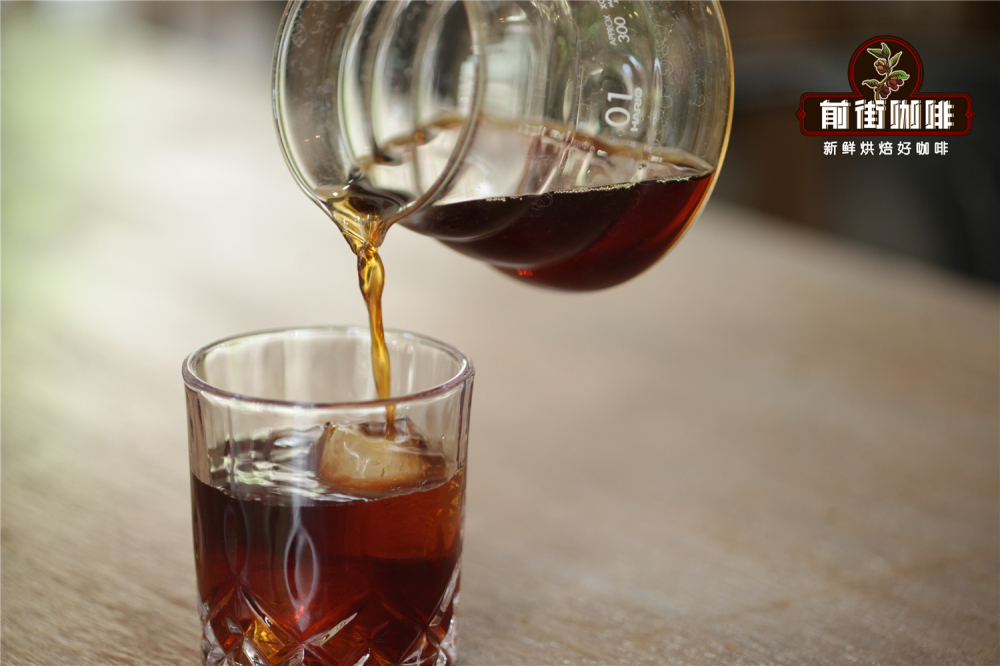
First, there are two methods for making cold brew coffee: one is the cold steeping method, where coffee grounds and cold water are placed together in a container and left to steep; the other is the ice drip method, where cold water slowly drips through a bed of coffee grounds via a dripping device. Regardless of the method, the entire process must be kept at a low temperature,hot water must not be used, otherwise it cannot be called cold brew. The entire cold brew extraction process must use room temperature or ice water, and the steeping temperature is recommended to be maintained between 4-10°C to ensure the flavor is not compromised.
Due to the relatively low extraction temperature, the cold brew process is very slow, and bitter substances are difficult to release. However, this also gives sugars and organic acids—flavor compounds—more ample time to dissolve into the water, often resulting in a smoother, sweeter acidity balance and a richer mouthfeel. So, how exactly can you make a delicious cup of cold brew coffee? Below, we’ll break it down for you step by step, from bean selection, grind size, ratio, to time.
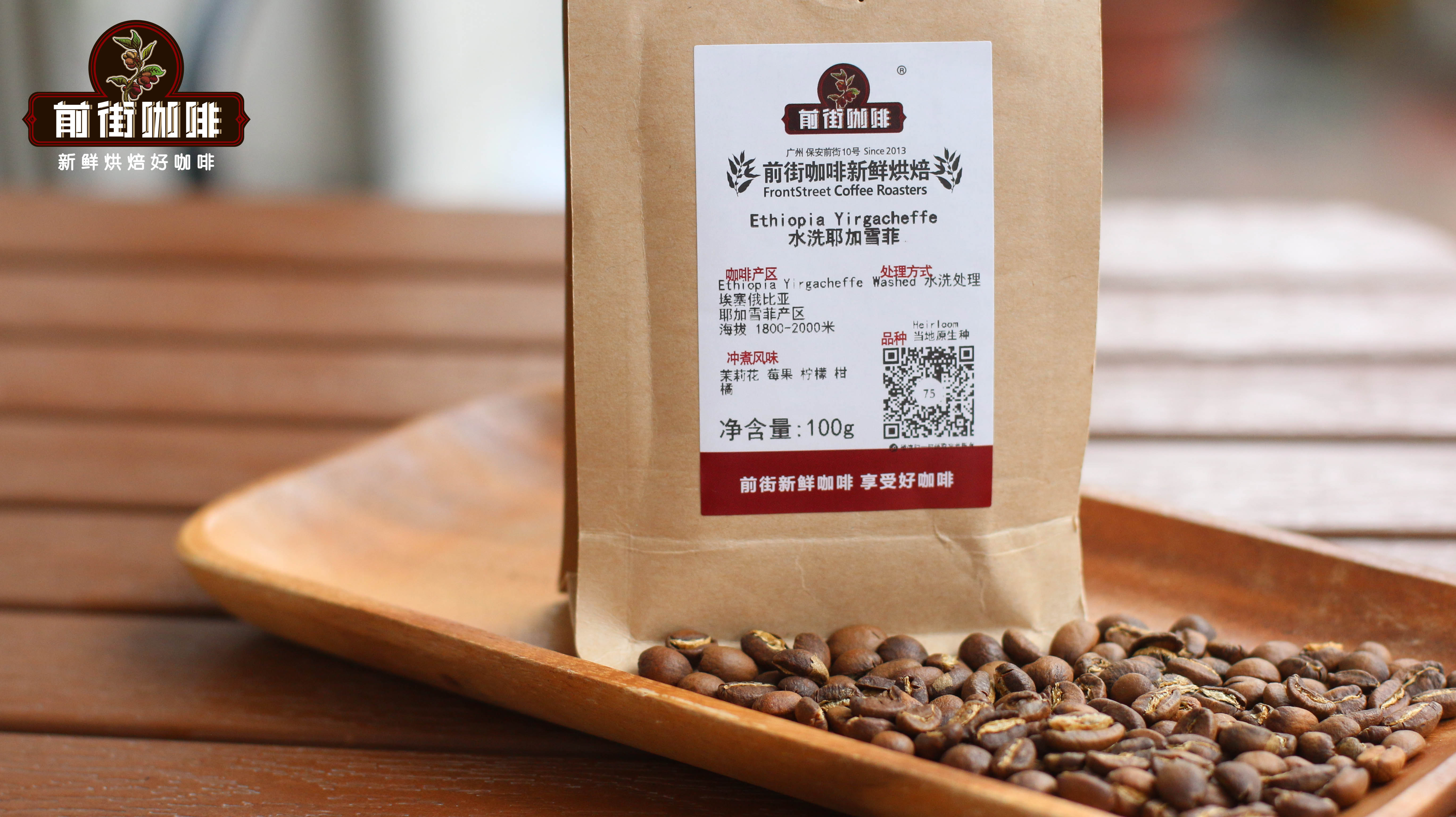
When selecting coffee beans, it is recommended to prioritize medium to light roasted single-origin beans. These beans usually have more pronounced floral and fruity aromas and are more adaptable to cold brewing. Even if there’s a slight deviation in the process, it’s less likely to produce unpleasant flavors. For example, commonly available pour-over-grade single-origin beans, as long as they are roasted to a moderate degree, can mostly be used for cold brewing experiments. On the contrary, dark roasted beans, while capable of delivering intense roasted aromas and bold body in hot brewing, often end up tasting only burnt and carbonized when cold brewed, making it hard to present delicate layers.
If you’re aiming for a refreshing, juice-like taste, you can opt for lightly roasted beans with noticeable citrus or berry notes. If you prefer a more intense fermented flavor, anaerobic or honey-processed medium to light roasted beans are good choices. For those who don’t like pronounced acidity and just want a stable coffee flavor, well-balanced blended beans can be selected. For this guide, we’ve chosen the acclaimed “King of Coffee,” Jamaican Blue Mountain No. 1, to experience its unique charm in a cold brew setting.
The reason why Blue Mountain coffee has become the dream delicacy for coffee lovers around the world is inseparable from its uniquely superior growing environment. The Blue Mountains are located in the eastern part of Jamaica, within a high-altitude mountainous region. The climate is cool and humid, and the volcanic soil is rich in minerals, providing ideal growing conditions for coffee trees. The area experiences frequent rainfall year-round, with fresh, unpolluted air. Moreover, due to the steep slopes, coffee cherries are entirely harvested by skilled female pickers, who hand-select only fully ripe cherries to ensure the high quality of the coffee beans.
In addition, as a relatively isolated island nation, Jamaica has long maintained the cultivation of pure Arabica varieties, especially the Blue Mountain Typica variety. After more than two hundred years of local adaptation, it has developed strong disease resistance, particularly against common coffee diseases like coffee berry disease, which helps maintain both the yield and quality of Blue Mountain coffee. The Blue Mountain No. 1 produced in this region is medium-dark roasted, and when brewed, it showcases the richness of dark chocolate, the gentle sweetness of caramel, and delicate acidity, offering an overall balanced and mellow profile that is a classic representation of Blue Mountain flavor.
When it comes to grind size for cold brew, because the extraction efficiency is inherently slower in a low-temperature environment, the requirements for grind fineness are not as strict as with pour over. It is generally recommended to use a slightly finer grind than pour over—approximately 75–80% passing through a Chinese No. 20 standard sieve, visually similar to the coarseness of fine sugar. For example, using an EK43s grinder, this would be around a 10-setting; if using a hand grinder like a C40, it would be around the 26th notch. This grind size ensures that there is enough surface area to release flavor during the long, low-temperature steeping process, without being so fine as to cause over-extraction.
As for steeping time, since the water temperature remains consistently low throughout the cold brew process, the extraction speed is noticeably slower, thus requiring a longer time for the coffee flavors to fully develop. It is recommended to control the steeping time within 8 to 18 hours, with slight adjustments possible based on your preferred strength and flavor profile. Experiments have shown that cold brew steeped for only 6 hours often results in overly thin flavors, while 24 hours can easily lead to noticeable over-extracted bitterness. The most balanced results are typically achieved between 10 to 16 hours, offering rich aroma and a smooth mouthfeel.
The coffee-to-water ratio is also one of the keys to a successful cold brew. It is recommended to use a 1:11 ratio, meaning 1 gram of coffee grounds to 11 milliliters of water. If the final brew turns out too strong, you can adjust by adding ice cubes or cold water. It is not advisable to simply mix coffee grounds and water and let them steep arbitrarily, as imprecise ratios often lead to uneven extraction or flavor imbalance, negatively affecting the overall outcome.
In practice, simply prepare a clean and sealable container. For example, using medium-light roasted coffee beans, take 40 grams of coffee grounds, grind them to a coarseness close to fine sugar (approximately 85% passing through a No. 20 sieve), place them in the container, and add 440 milliliters of cold water. Stir gently to mix evenly, then cover the container. To prevent oxidation and the absorption of odors, you can seal it with plastic wrap and refrigerate it for 12 hours. After steeping, filter out the coffee grounds, and you can enjoy a clear and smooth cold brew coffee. For an even rounder flavor, you may also refrigerate the filtered coffee liquid for an additional 4 hours to allow the flavors to further meld.
The above content is compiled by CoffeeHunters, a coffee news website.


