







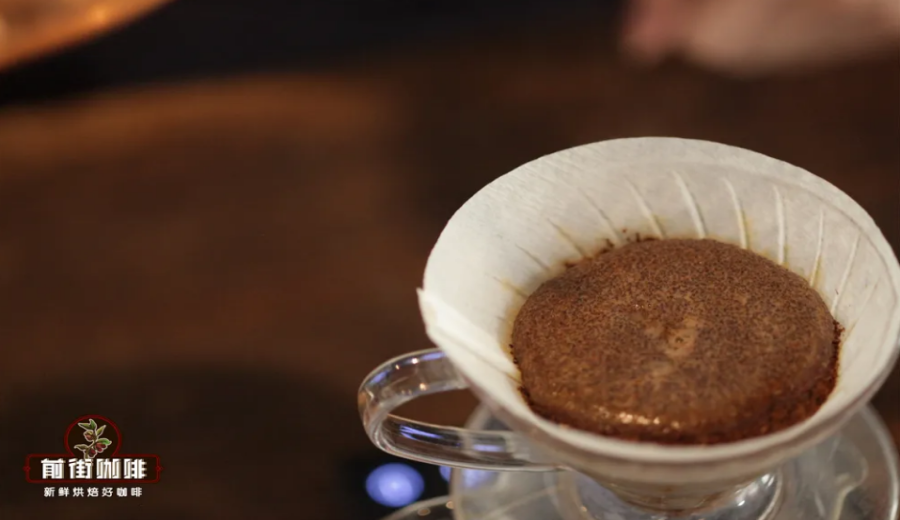
Introduction:Do you know how astonishingly different the flavors of pour over coffee can be at varying temperatures? This article delves into the flavor differences between hot and cold brews, from extraction parameters and experimental comparisons to tasting advice, helping you grasp the optimal drinking moments for each temperature and elevate your overall coffee experience.
The temperature of pour over coffee greatly influences our perception of its flavors. At high temperatures, bitterness in coffee is suppressed, while acidity and sweetness become more pronounced; in the medium temperature range, sweetness and aftertaste often reach their peak, resulting in a smoother overall mouthfeel; however, once the coffee cools down to low temperatures, bitterness and acidity tend to emerge simultaneously, while sweetness noticeably diminishes.
Experimental observations show that hot pour overs can present a more complete flavor profile primarily due to the ample water volume used for extraction and higher extraction efficiency. In contrast, iced pour overs, aiming for rapid cooling, typically require reduced pouring volume and finer grind sizes, which can lead to excessive release of bitter and astringent impurities from fine particles, compromising the overall purity of the taste.
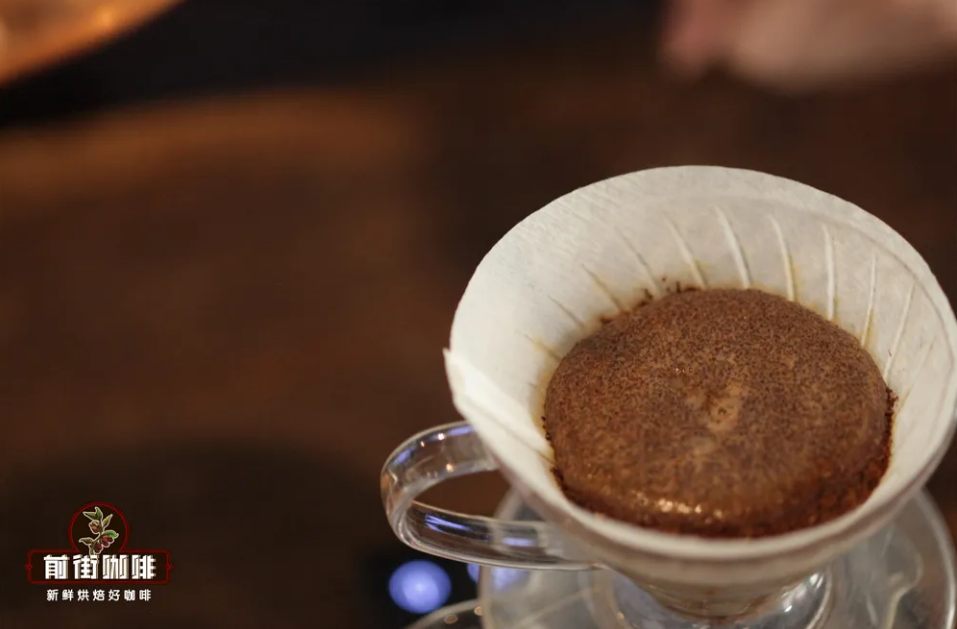
When discussing the flavor expression of pour over coffee, temperature plays a pivotal role. For instance, at the high-temperature stage right after brewing, human tongue nerves are less sensitive to heat, making bitterness less noticeable, while acidity and sweetness are more easily detected. As the temperature gradually drops, bitterness slowly emerges, especially in low-temperature environments where it may become sharp and unpleasant. Therefore, for darker roasts that are inherently more bitter, it’s recommended to enjoy them while hot to avoid unpleasantness upon cooling.
The medium temperature range is generally defined as being close to human body temperature, roughly between 45°C and 35°C. Within this temperature range, human sensitivity to sweetness is at its highest, allowing the sweetness and lingering aftertaste of coffee to be presented most fully, bringing balance and layers to the overall flavor.
If consumed at low temperatures, acidity and bitterness can become overly intense, while sweetness significantly weakens. Unless dealing with certain special processing methods or extremely light roasts, most coffees are not recommended for consumption after they have cooled down.

So, at what temperature does pour over coffee truly showcase its most captivating flavors? Let’s start by examining actual brewing parameters to better understand the fundamental differences in extraction between hot and cold drinks. Taking common hot pour over parameters as an example: using 15 grams of coffee grounds, an Ek43 grinder set to a grind size of 10, water temperature controlled at 92°C, and a coffee-to-water ratio of 1:15 (i.e., 15 grams of coffee with 225 milliliters of hot water), the total brewing time is about 2 minutes.
The setup for iced pour over is slightly different: also using 15 grams of coffee grounds, the Ek43 grind size is adjusted to 9.5, water temperature remains at 92°C, but the coffee-to-water ratio is changed to 1:10 (i.e., 15 grams of coffee with 150 milliliters of hot water), with an additional ice-to-coffee ratio of 1:6 (approximately 15 grams of coffee to 90 grams of ice, which do not fully melt), and the total brewing time is also maintained at around 2 minutes.
From these two sets of parameters, it’s clear that the biggest difference between hot and cold drinks lies in the total water volume and grind coarseness adjustments. Iced pour overs, needing to cool rapidly with ice, must reduce water volume, hence requiring a finer grind to maintain a certain extraction rate and avoid overly diluted coffee. However, this approach also increases the likelihood of fine particle production, potentially introducing excess bitterness and impurities.
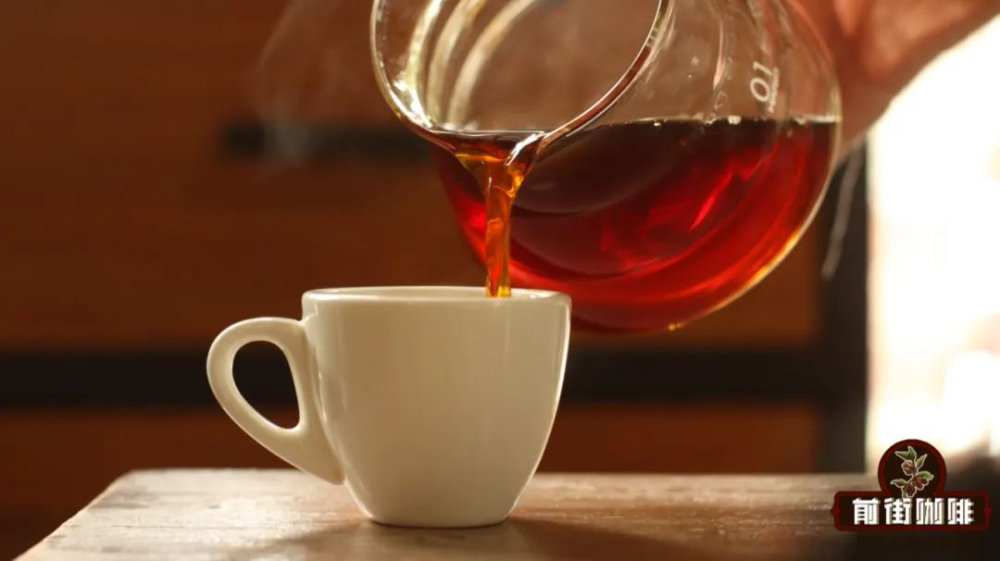
Pour over coffee, unlike espresso, lacks pressure assistance. Relying solely on drip filtration, insufficient water volume makes it difficult to effectively extract the full range of flavor compounds from the coffee. To illustrate this more直观ly, we conducted a comparative experiment: brewing with both 1:15 and 1:10 coffee-to-water ratios, keeping all other parameters the same, with the only difference being that the 1:10 group did not use ice but instead adjusted concentration via hot water dilution, ensuring both groups had as similar final temperature and overall concentration as possible to highlight the impact of water volume in extraction.
This experiment used a certain coffee shop’s Guodingding coffee variety. During the process, the final liquid weight of both pots was measured. The data showed that the 1:15 ratio yielded approximately 195 milliliters of coffee, while the 1:10 ratio produced about 120 milliliters. Then, we took about 1 milliliter of coffee liquid from each to test extraction rates, and diluted the 1:10 group with 70 milliliters of 65°C hot water to match the concentration of the 1:15 group. Finally, we invited store customers to participate in a blind tasting.
The actual test results showed that the 1:15 ratio had an extraction rate of 20.6%, with a rich flavor profile, balanced acidity and sweetness, and distinct notes of citrus, strawberry, cream, and berries, followed by a honey-like sweetness and aftertaste; in contrast, the 1:10 ratio had an extraction rate of 18.1%, with a relatively thin flavor, mainly highlighting acidity and sweetness, with almost no noticeable bitterness, and although it was also drinkable, it was clearly inferior in overall flavor richness.
In the blind tasting, participants overwhelmingly preferred the 1:15 ratio coffee, considering its flavor more complete and layered. This shows that even though both performed at a certain level, the difference in water volume for extraction still significantly affects the final flavor presentation.
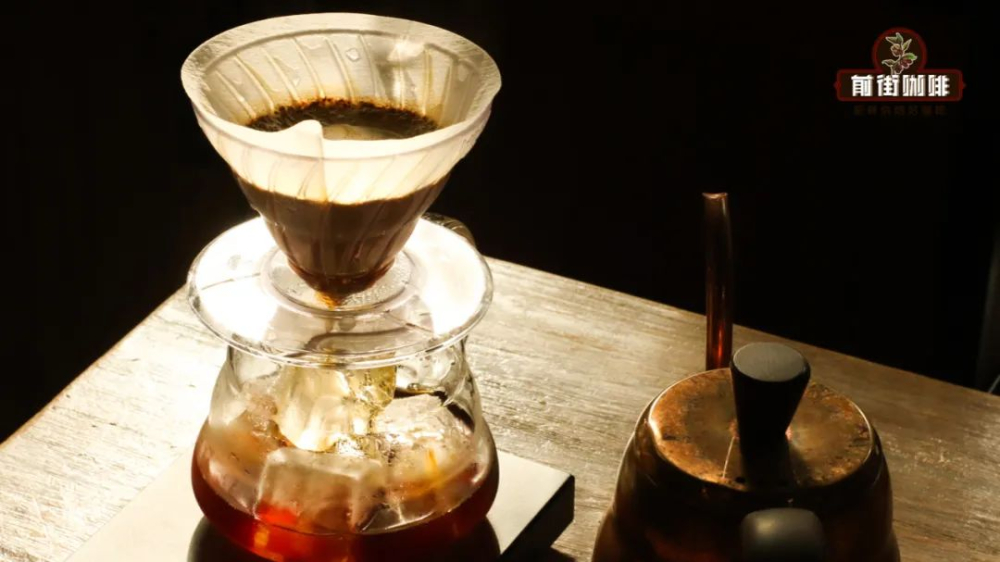
Some might ask, if incomplete extraction due to insufficient water volume occurs, can it be compensated by further fine-tuning the grind or increasing water temperature? Theoretically, this could improve extraction efficiency. However, in practice, overly fine grinding produces more fine particles, which extract much faster than regular particles and can release excessive bitterness and impurities, ultimately damaging the overall purity of the flavor.
In experiments, the grind size was adjusted to Ek43 setting 7 (finer), with all other conditions unchanged, using a 1:10 coffee-to-water ratio. Although the extraction rate reached 20% and fell within the Golden Cup extraction theory range, the actual taste offered almost no distinct flavor, replaced instead by intense bitterness and unpleasant off-notes.
This demonstrates that relying solely on extraction rate figures cannot fully reflect actual flavor performance, as the figure represents only the average extraction level and cannot distinguish the balance of acidic, sweet, and bitter components. Therefore, many professional coffee shops, when making iced pour overs, usually make only minor adjustments based on hot pour over settings, rather than risking unstable extreme parameters in pursuit of ultimate flavor expression.
Some shops, in order to compensate for insufficient water volume, choose to increase the amount of coffee grounds. While this can effectively boost total extraction, it also raises material costs and retail prices, making it less common. Considering all factors, it’s not hard to understand why hot pour overs often deliver a more complete and balanced coffee flavor experience—because sufficient water volume ensures that various flavor compounds are fully dissolved and presented.
The above content is compiled by CoffeeHunters, a coffee news website.


