







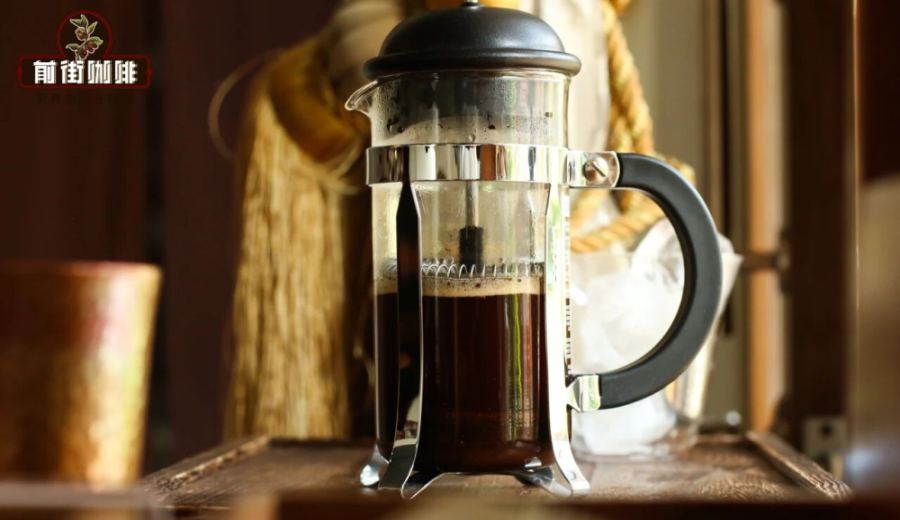
Introduction:The French press is a staple brewing device in the homes of many coffee enthusiasts. Thanks to its simple operation and cost-effectiveness, it has become a popular choice for home brewing. However, its filtration characteristics often spark discussion. This article will delve into how to brew coffee with low acidity, full body, and a smooth mouthfeel using a French press by mastering the correct coffee-to-water ratio, grind size, water temperature, and steeping time. It also includes step-by-step illustrations to help you get started with ease.
The French press, with its simple structure and user-friendly operation, has become the go-to brewing tool for many at-home coffee lovers. Without the need for complex techniques or equipment, just a few basic steps are all it takes to enjoy a cup of flavorful coffee. However, compared to other brewing methods, the French press has relatively low filtration precision, which is often seen as a drawback. But it is precisely because the metal filter retains the natural oils and colloids in the coffee that the resulting brew offers a more complete flavor profile, making it highly favored by many users.
If you want to brew a cup of coffee with low acidity, rounded body, and a smooth mouthfeel using a French press, the key lies in several core elements: the choice of coffee beans, coffee-to-water ratio, grind size, water temperature control, and the correct brewing process. The following will explain these steps in detail to help you master these techniques—even beginners can brew coffee at a professional level.
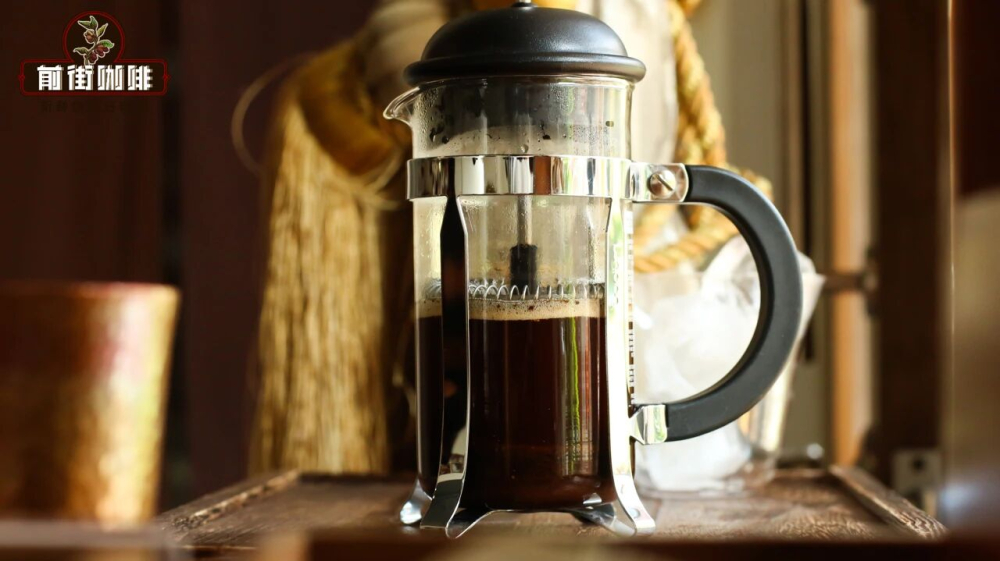
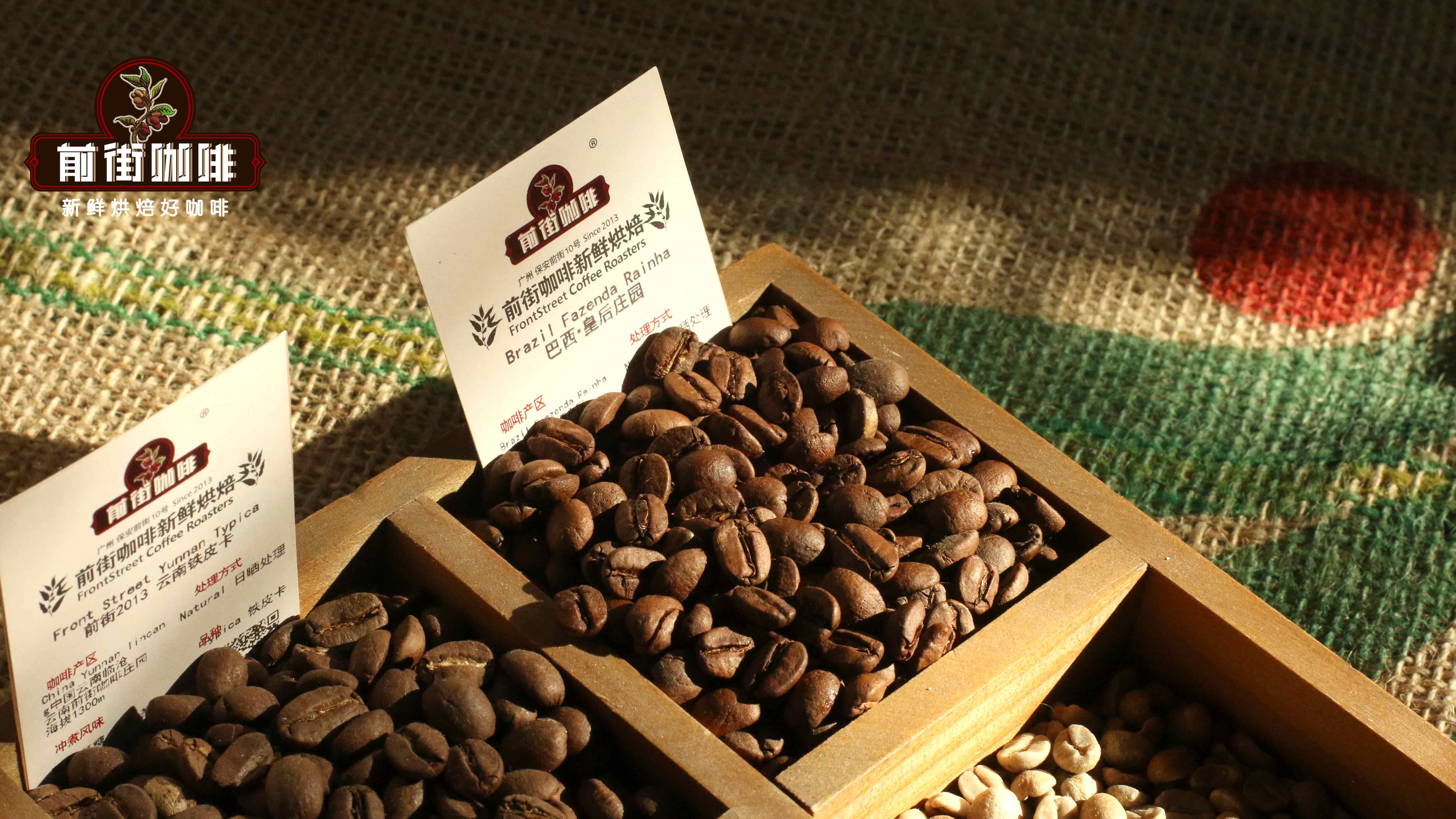
First, selecting fresh, high-quality coffee beans is the foundation of successful brewing. It’s recommended to prioritize beans from reputable brands that offer a variety of options, covering different origins and processing methods, allowing you to experiment based on your personal preferences. If you prefer coffee with a medium to dark roast profile, such beans typically have higher oil content, which helps deliver a rich mouthfeel and aroma. Especially for those aiming to reduce acidity and enhance richness, consider choosing specific single-origin beans from well-known regions.
For the coffee-to-water ratio, it is recommended to use the golden ratio of 1:15. This concentration is the most beginner-friendly and delivers a balanced flavor. For example, if using 20 grams of coffee beans, add about 300 milliliters (or a 20:300 ratio) of hot water. Of course, you can also fine-tune the ratio slightly according to your personal taste preference to find the strength balance that suits you best.
Grind size is one of the key factors affecting extraction efficiency. It is not recommended to grind the beans too coarsely. Although some suggest using an extremely coarse grind, in practice, a medium-coarse grind, close to the texture of coarse sugar, can more effectively enhance flavor extraction. Grinding the beans to this fineness helps ensure even water penetration and avoids issues like over-extraction or under-extraction.It is recommended to aim for a granular consistency similar to coarse sugar, as shown in the figure below.
In practice, start by grinding the coffee beans and pouring them into the French press. Don’t worry too much about minor differences in grind fineness—a consistent medium-coarse grind is sufficient. Then, heat the water to around 93°C, which is the optimal temperature range for French press brewing as recommended by most experts. Pour the calculated amount of hot water—for instance, 300 milliliters for 20 grams of coffee beans—and gently stir with a spoon to ensure the coffee grounds and water are evenly mixed, initiating the extraction process.
After stirring, place the lid on the French press but keep the plunger pulled all the way up to avoid premature contact with the coffee grounds. Let it steep for about 4 minutes. This stage is the crucial brewing time, allowing the water and coffee grounds to fully interact and release flavor compounds and aromatic molecules. This duration should neither be too long nor too short to maintain a balanced final flavor.
Before pressing down the plunger, it’s recommended to open the lid and use a spoon to skim off any floating coffee foam and fine particles on the surface. This helps reduce any unwanted grittiness or impurities in the final cup. Then, slowly and steadily press the plunger down to the bottom, ensuring a smooth filtration process and avoiding pressing too quickly, which could lead to over-extraction.
Once brewing is complete, be sure to immediately pour the coffee into a thermos or another container to prevent the coffee grounds from continuing to steep in the liquid, which can cause over-extraction and bitterness. This step is often overlooked but has a significant impact on flavor. You can then pour the coffee into your cup and slowly savor its layered flavors.
By following the above steps, coffee brewed with a French press can showcase a full body and smooth texture, accompanied by aromas of chocolate, roasted nuts, almond cookies, and caramel. The acidity is noticeably reduced, with a long and rich aftertaste. As shown in the diagram, the entire process is not only simple and easy to follow but also fully leverages the unique advantages of the French press, allowing you to enjoy a professional-level coffee experience at home.

The above content is compiled by CoffeeHunters, a coffee news website.


