







Introduction:Have you ever wondered why Vietnamese weasel coffee is priced so much lower than authentic Indonesian kopi luwak? This article delves into the fundamental differences between the two in terms of origin, bean variety, processing methods, and flavor profiles, helping you uncover the truth behind low-cost weasel coffee on the market. We also take stock of common Vietnamese weasel coffee products, analyze their characteristics, and offer expert pour over recommendations along with flavor descriptions to help you make an informed purchase.
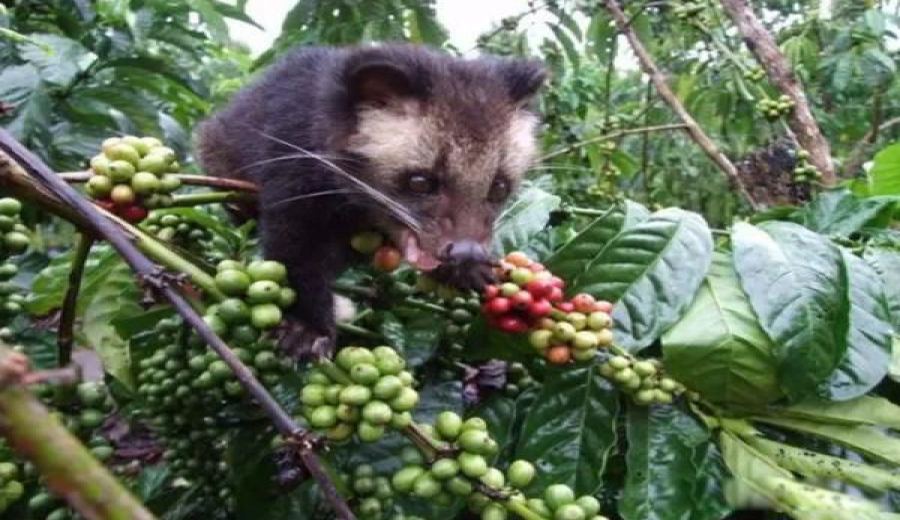
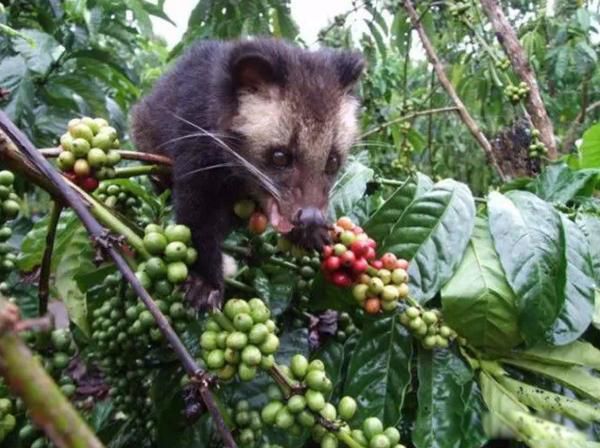
Weasel coffee has long been regarded as one of the most expensive and unique types of coffee in the world. Its authentic production originates from Indonesia, where civet cats naturally consume coffee cherries. The flesh and pulp are digested, but the coffee beans, encased in a hard parchment layer, are excreted in feces. These droppings are then collected and undergo multiple meticulous processing steps such as washing, drying, and removing the parchment layer to yield the precious green coffee beans. Due to the unique fermentation environment inside the civet’s digestive tract, the resulting coffee has significantly reduced bitterness, a rich mouthfeel, and almost no acidity, making it an exceptionally distinctive delicacy in the coffee world.
However, most Vietnamese weasel coffee sold on the market is not the natural product of civet cat digestion. The coffee grown locally in Vietnam is predominantly Robusta, which is typically used for instant coffee or commercial blends and is much cheaper. Although Vietnam also has its own version of “weasel coffee,” its production method is entirely different from that of authentic Indonesian civet coffee. Most of it is obtained by force-feeding coffee cherries to civets in artificial farming environments. Not only is the flavor distinctly different, but its quality and rarity are also incomparable.
Overview of Common Vietnamese Weasel Coffee Products
Below are some of the more commonly found weasel coffee products on the Vietnamese market for consumer reference:
(1) Trung Nguyen G8 Civet Coffee: Launched by the well-known Vietnamese coffee brand Trung Nguyen, this product uses a blend of Robusta and Arabica beans, highlighting a special Vietnamese processing method. It is said to have a rich and full-bodied flavor with a thick mouthfeel. Although it is not genuine civet coffee, it is quite popular in the Vietnamese domestic market, and some consumers find its flavor reminiscent of Blue Mountain coffee.
(2) Vinacafé Weasel Coffee: A type of three-in-one instant coffee, it has a smooth taste and moderate sweetness, is convenient to brew, and is suitable for everyday drinking, making it highly favored by the general public.
(3) Vietcacao Weasel Coffee: Also an instant product, it emphasizes a milky flavor, with a strong aroma after brewing, suitable for consumers who prefer a mild, creamy taste profile.
(4) Hoang Gia Golden Weasel Coffee: Another three-in-one instant coffee, it has a noticeable aroma upon opening the package, with a rich and smooth taste, representing a typical Vietnamese-style coffee flavor that is widely welcomed by entry-level consumers.
Although these products tout the concept of “weasel coffee,” they are essentially the result of artificial intervention or flavor simulation, and are not truly produced through fermentation in the civet’s digestive system. If you wish to taste authentic weasel coffee, it is recommended to choose genuine Indonesian civet coffee beans and grind and brew them yourself to fully experience their unique flavors and rare value.
However, when pursuing weasel coffee, consumers should also be aware of widespread market counterfeits and animal welfare issues. Civet cats are wild animals unique to Southeast Asia, with limited wild populations and difficult-to-tame habits. A single civet can only digest a small amount of coffee cherries per day, and only about 30% of the beans in its droppings are usable. Coupled with losses during subsequent washing and processing, the global annual production of genuine civet coffee does not exceed 400 kilograms. Therefore, the large volume of weasel coffee circulating on the market is very likely to be fake.
More concerning is that many so-called “civet coffee” products actually come from artificially farmed environments. In pursuit of profit, some producers confine civet cats in small cages and force-feed them coffee cherries to continuously induce defecation for collection. These animals often live in high-stress, malnourished, and unsanitary conditions, frequently exhibiting abnormal behaviors such as self-harm, biting each other, or even dying from excessive stress. Such production methods are not only cruel but also seriously deviate from the ethical and sustainable principles that coffee should embody.
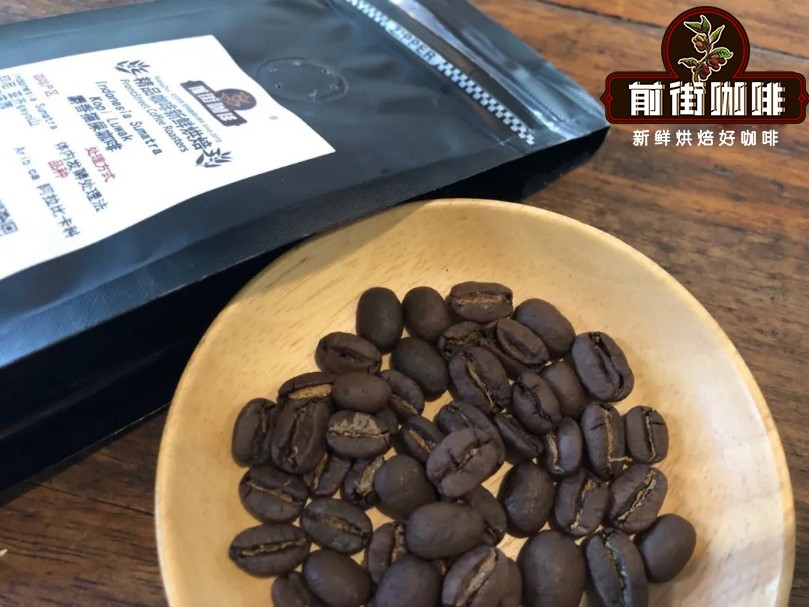
Brewing Recommendations & Flavor Profile for a Certain Brand
If you have the chance to taste genuine Indonesian civet coffee, it is recommended to use the following professional pour over parameters to fully showcase its unique flavors:
Filter: KONO filter
Water temperature:
Coffee-to-water ratio:88°C
Coffee dosage:1:15
15 gramsGrind size: 20-mesh standard sieve passing rate
Brewing method: Three-stage extraction75%
The specific steps are as follows: First, use twice the amount of coffee dosage in water (approximately
30 grams) for30 seconds of bloomingto release carbon dioxide from the coffee grounds and stabilize subsequent extraction. Then, pour water in small circles until125 gramsfor the first pour, continue pouring until225 grams, then stop. Once all the water has dripped through the filter, remove the filter and the total brewing time is approximately2 minutes. Finally, gently swirl the coffee liquid before pouring it into your cup for tasting.In terms of flavor, authentic civet coffee often features herbal and nutty undertones, with a smooth and rich mouthfeel, a long-lasting aftertaste, and complex layers.
The brand recommends prioritizing freshness when selecting coffee beans. All roasted coffee beans are advised to be shipped within
5 days of roastingto ensure customers receive them at their optimal flavor peak. The typical resting period for coffee beans is4 to 7 days, during which the flavors are most vibrant. If purchasing pre-ground coffee powder, although additional resting is not required, it should be used promptly to avoid oxidation affecting aroma and taste. Therefore, it is recommended that consumers opt for whole beans and grind them fresh for brewing to achieve the best flavor experience.In summary, if you are seeking a truly unique and rare coffee experience, it’s worth learning about the background and brewing methods of authentic Indonesian civet coffee. However, for the majority of low-cost Vietnamese weasel coffee on the market, you should approach its actual ingredients and production process rationally, avoiding paying for mere marketing gimmicks. Exploring diverse origins and varieties may bring you a richer coffee experience.
In summary, if you're seeking a truly unique and rare coffee experience, it's worth understanding the background and brewing methods of authentic Indonesian kopi luwak. However, when it comes to most low-cost Vietnamese "cat poop coffee" on the market, you should approach its actual ingredients and production process with rationality, and avoid paying for hype. Exploring diverse origins and varieties may bring you even richer coffee enjoyment.
The above content is compiled by CoffeeHunters, a coffee news website.


