







Introduction:For beginners entering the world of pour over coffee, the choice of dripper often significantly impacts the overall extraction performance and flavor profile. This article delves into the design principles of the Bingtong dripper, comparing its structure, water flow path, and actual extraction performance with the classic V60 dripper. Through practical brewing data using the same Yirgacheffe washed coffee beans, it offers suggestions on dripper selection based on different processing methods and roast levels, helping you find the most suitable brewing tool.
For those just starting out with pour over coffee, choosing the right dripper is a crucial first step to ensuring stable and flavorful brews each time. Among the many drippers available, the Bingtong dripper has gradually gained attention due to its unique structural design and practicality. This article begins with an analysis of the Bingtong dripper’s venting slot structure, exploring its differences in design philosophy and real-world use compared to the classic V60 dripper. Through a practical brewing comparison using the same Yirgacheffe Gedeo Cooperative washed coffee beans, it helps you understand the types of coffee beans and flavor profiles each dripper is best suited for.
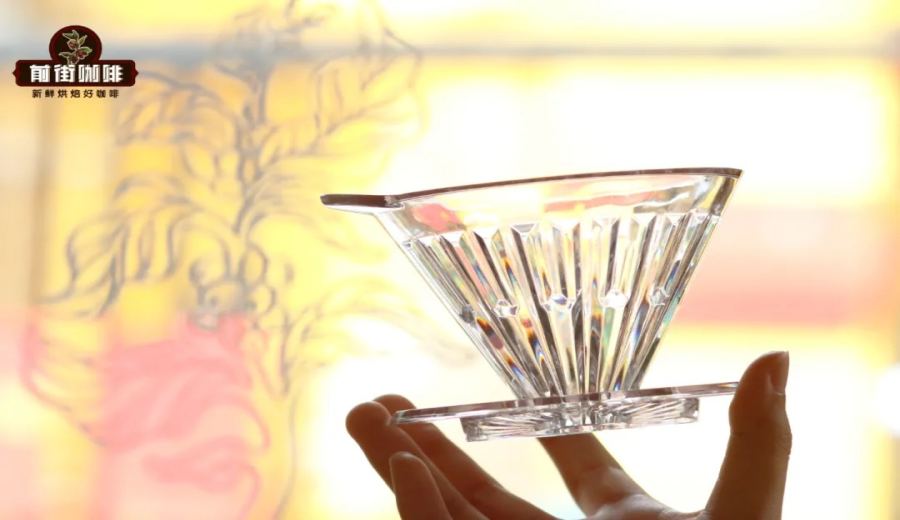
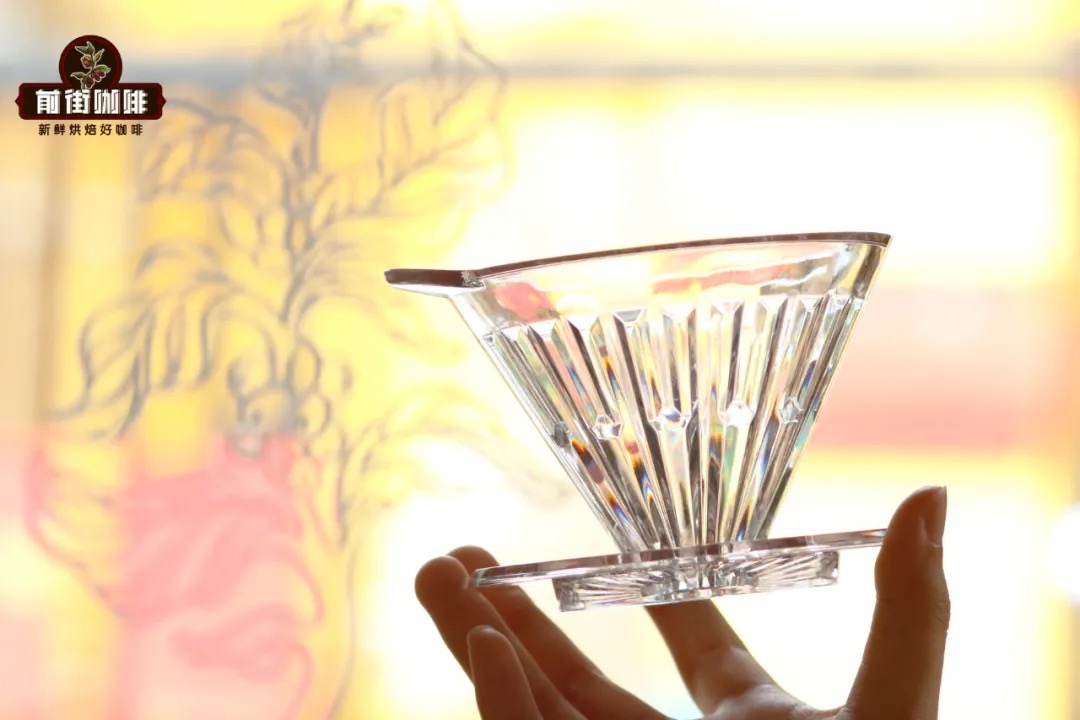 The Bingtong dripper gives off a refined and steady impression at first glance, and under lighting, the fit between the dripper material and the filter paper is particularly impressive. Many pour over enthusiasts report that using this dripper provides an exceptionally smooth tactile and visual experience, adding considerable enjoyment to the brewing process.
First, let’s take a look at the common design features of standard pour over drippers. Most drippers feature a three-dimensional ribbed structure on the outer wall, which serves to create a gap—known as the venting slot—between the filter paper and the dripper. The length, direction, and density of these venting slots directly influence the efficiency and speed of water passing through the coffee grounds.
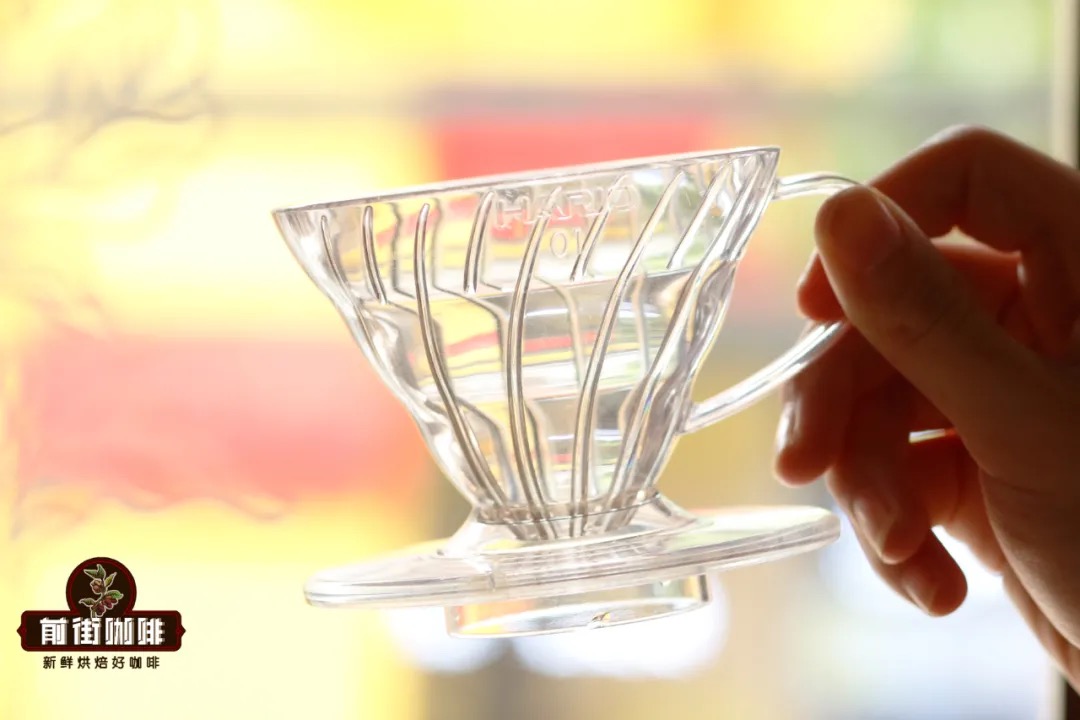
Take the widely popular V60 dripper as an example: its venting slot design uses a spiral ribbed structure with a curved profile, extending from the upper rim of the dripper all the way to the central outlet hole. This spiral structure not only provides ample space for gas to escape but also extends the dwell time of water within the coffee grounds due to its winding path. Coupled with a large bottom hole design, it allows the brewer to further control the overall extraction rhythm by adjusting pouring speed, thereby influencing the final flavor of the coffee.
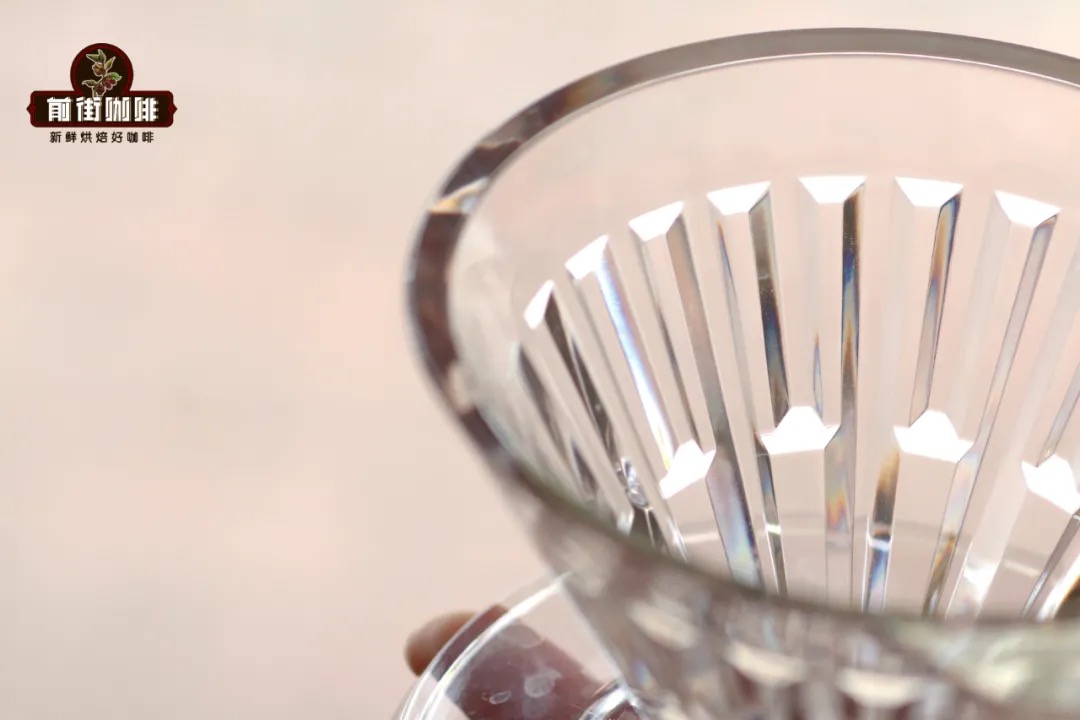
In clear contrast to the V60, the Bingtong dripper adopts an inwardly recessed groove design for its venting slots. A closer side view reveals that its pattern can be divided into three main layers: the top is a completely smooth contact surface that adheres tightly to the filter paper, reducing the chances of air leakage and uneven extraction; the middle section consists of 24 short grooves extending downward from the top to the middle height of the dripper; the lower section features 12 longer grooves that connect from the mid-section to the bottom outlet. Notably, the mid-layer and lower-layer grooves are staggered, leaving the lower grooves almost suspended. This clever design effectively regulates water flow rate: the mid-layer grooves allow water to slowly saturate the coffee grounds for thorough extraction, while the lower-layer changes in structure accelerate flow to avoid over-extraction—akin to a precisely controlled "extraction roller coaster."
 So, what are the specific differences in actual extraction performance between the Bingtong and V60, both conical drippers with relatively fast flow rates? To gain a clearer understanding, we conducted a controlled test under identical conditions: using 15 grams of Yirgacheffe Gedeo Cooperative washed coffee beans, ground to the fineness of granulated sugar (approximately 78% through a Chinese No. 20 sieve), with water temperature maintained at 91°C and a brew ratio set at 1:15. A three-stage pouring method was applied: the first stage involved pouring 30 grams of water for a 30-second bloom, followed by 95 grams of water in the second stage, then an additional 100 grams once the water level dropped to about two-thirds, for a total of 225 grams of water poured.
In the test, the V60 dripper completed extraction in 2 minutes and 10 seconds, producing coffee with pronounced floral notes—especially jasmine—alongside bright citrus acidity, natural cane sugar sweetness, and a green tea-like finish. The overall flavor profile was layered and vibrant. Under the same parameters, the Bingtong dripper also finished extraction in 2 minutes and 10 seconds, but delivered a flavor that leaned more toward smooth and full-bodied: featuring distinct honeysuckle and pomelo aromas, with a slight astringent edge from the pomelo peel, while honey-like sweetness was more pronounced. The finish resembled oolong tea, resulting in a round and robust mouthfeel.
From a user experience perspective, once wet, the filter paper in the Bingtong dripper adheres tightly to the cup walls, virtually eliminating concerns about uneven extraction caused by the filter paper lifting away from the grounds. This makes it particularly user-friendly for those prioritizing stability. The V60, on the other hand, with its excellent venting and flow rate control, allows users to shape flavor clarity and layering further through pouring technique. However, unstable pouring may lead to issues such as overly fast flow or collapsed coffee beds, resulting in uneven extraction.
Overall, both drippers are well-suited for medium-light to medium roast coffee beans, with similar flow rate performance. However, if you prefer coffee with distinct flavor layers, bright acidity, and prominent aromatics—such as medium-light roasted washed or natural processed beans like natural Huaguang or Gesha Village Red Label Gesha—the V60 is recommended, as it helps highlight these delicate flavor characteristics. Conversely, if you frequently brew beans rich in sweetness and fermentation notes—such as medium-light to medium roasted natural or honey processed beans—the Bingtong dripper can deliver a fuller body and more pronounced sweetness, while maintaining balanced flavors. Although it may slightly restrain aroma details and layers, the overall performance is more rounded and consistent.
The above content is compiled by CoffeeHunters, a coffee news website.


