







Introduction:A cleaning lady at a company in Hangzhou created 5-yuan blind box bubble tea that went viral due to its fun gameplay and high cost-performance ratio, prompting employees to line up in droves. Not only that, brands like Migo have also launched blind box bubble tea with included gifts, instantly boosting their revenue. This article delves into the origins, appeal, and business logic of blind box economics, as well as how brands can create buzz and long-term value through blind box strategies.
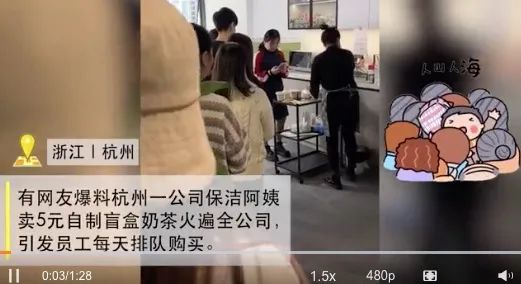
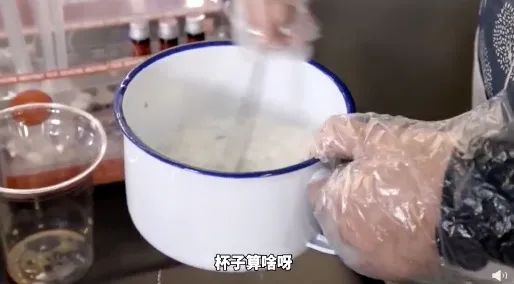
Recently, a cleaning lady at a company in Hangzhou unexpectedly gained popularity for making “blind box bubble tea” herself—each cup sold for just 5 yuan. Thanks to its fun format and surprise contents, employees rushed to buy it, with long queues forming every afternoon in front of the pantry. Some even brought their own large thermoses to carry multiple cups at once.
It’s understood that not only is this bubble tea affordable, but the “blind box” concept adds an extra layer of fun. Employees said that although it’s called a blind box, the flavors of the bubble tea are solid, with the classic rich taste of milk tea, and it sells out almost instantly every day, with demand outstripping supply.
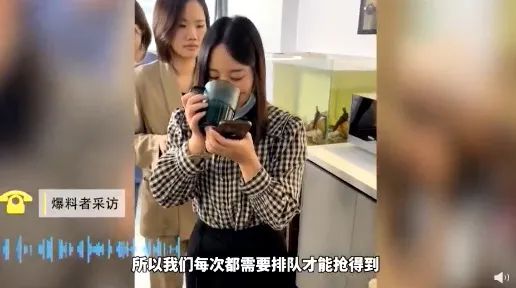
When asked about her motivation for making it, the lady admitted that it was because her daughter loves bubble tea and the daily expense adds up. So she taught herself how to make it online, and on a whim, set up a stall in the company pantry to sell it. To her surprise, the business took off so well that she doesn’t even have time for her usual square dancing. When asked if she’s worried about losing money, she confidently said, “I already own several properties—I’m not worried about that little bit of money. Making bubble tea is purely for fun!”
Actually, blind box bubble tea isn’t a first. As early as April this year, the Hangzhou-based brand Migo launched a similar promotion at its Qingdao branch. Customers who bought bubble tea had the chance to receive gifts such as lipsticks, eyeshadows, and hair accessories. The campaign successfully attracted a large number of customers, with some branches seeing their daily revenue surge from 3,000 yuan to over 10,000 yuan.
The concept of blind boxes originally came from Japan’s fukubukuro (lucky bags), which later evolved into similar product formats such as gashapon (capsule toys). A blind box is one where the consumer cannot know the contents before purchasing and must open it to find out. This element of uncertainty effectively stimulates people’s desire to make repeat purchases, gradually giving rise to a “blind box economy” trend.
According to Baidu Baike’s definition, blind boxes succeed in getting consumers hooked through randomness and the sense of surprise—even if the price is slightly higher, people are willing to pay. However, if a brand relies solely on the gimmick of blind boxes while neglecting the essence of the product and the quality of service, it will ultimately struggle to maintain long-term market competitiveness. Only by combining innovative marketing with solid product strength can a brand stand firm in the market.
The above content is compiled by CoffeeHunters, a coffee news website.


