







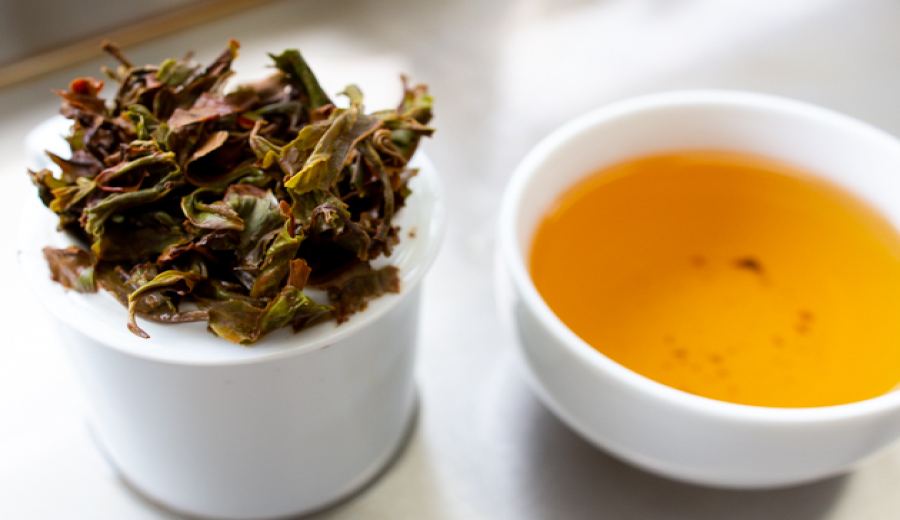
Introduction:This article provides an in-depth comparison of two high-altitude first-flush black teas from Darjeeling harvested in 2020— Arya 1st Flush Ruby and Spring Blossom . From altitude and plucking period to flavor characteristics, it explores how high elevation influences the taste and complexity of black tea. Beyond examining the connection between altitude and tea quality, it also details the unique personalities of these two teas, helping coffee and tea enthusiasts understand the charm and selection criteria of high-altitude first-flush teas.
In Darjeeling’s high-altitude tea gardens, the first-flush harvest typically occurs relatively late, mostly in early to mid-April. By this time, many tea merchants have already completed their initial spring tea purchases and shifted focus to preparing summer harvest teas. However, tea plants in high-altitude regions grow more slowly due to significant day-night temperature variations and lower oxygen levels in the air, leading to a richer accumulation of internal compounds in the leaves. This results in a more intense flavor and a longer-lasting aftertaste. To fully experience the unique flavors of high-altitude first-flush black tea, we coordinated with the tea gardens in advance to obtain two 2020 April-harvested Arya first-flush black teas: Arya 1st Flush Ruby and Arya 1st Flush Spring Blossom , observing firsthand how altitude impacts flavor.
Both black teas tasted in this evaluation come from Darjeeling’s renowned high-altitude tea regions. Their aftertastes are so pronounced that they even challenge the common perception of Darjeeling teas as light and delicate, revealing deeper layers and a richer character. Below, we’ll analyze in detail the differences in flavor expression between these two teas and explore how altitude shapes their unique personalities.
Arya 1st Flush Ruby is made from the tender buds of clonal tea plants, grown at an altitude of about 1,500 meters. Since the leaves were still in a young stage during plucking and rich in buds, the brewed tea has an extremely smooth mouthfeel with a notable creamy texture. Interestingly, being a first-flush (1st Flush) black tea, its fermentation level is relatively sufficient—longer than that of typical first-flush black teas—resulting in a liquor that exhibits a fuller flavor closer to traditional black tea. It also pairs easily with various desserts, making it an excellent choice for those who enjoy a sweet and mellow black tea profile.
The other tea, Arya 1st Flush Spring Blossom , also comes from clonal tea plants but is grown at a higher elevation of 2,000 meters. This tea is made from relatively mature leaves, and its name “Spring Blossom” hints at its flavor characteristics—bursting with the aroma of blooming flowers in spring, along with refined notes of fresh vegetation, offering a distinctive style. Its taste resembles a blend of oolong and white tea, refreshing yet deep. Thanks to its growth at extremely high altitude, the aftertaste lingers exceptionally long on the palate, with a persistent throat resonance, making it highly suitable for seasoned tea drinkers who seek layered flavor and lingering sweetness.
Overall, Arya 1st Flush Ruby excels with its soft milky notes and the classic black tea traits brought by sufficient fermentation, appealing to those who prefer a sweet, smooth, and easy-drinking style. In contrast, Arya 1st Flush Spring Blossom showcases a more profound liquor character through the delicate aromas granted by high altitude and its extended aftertaste, making it an unmissable choice for exploring high-altitude first-flush black tea.
These two 2020 Arya first-flush black teas both exhibit the richness and complexity unique to high-altitude spring teas. Whether you’re a newcomer or a seasoned black tea enthusiast, you can sense the profound impact of altitude on the flavor of the tea liquor.
The above content is compiled by CoffeeHunters, a coffee news website.


