







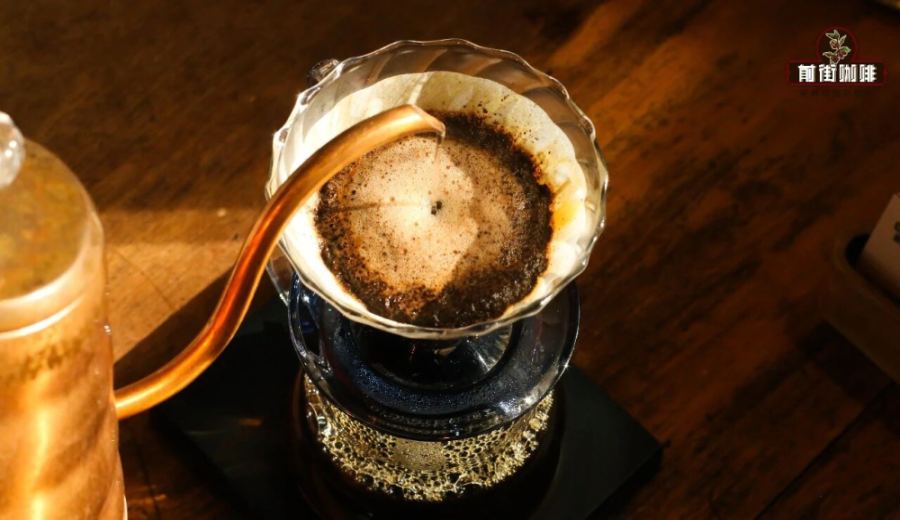
Introduction:For pour over beginners, complex pouring techniques can often be a major hurdle to entry. This article delves into the “One Pour” method proposed by 2016 World Brewers Cup Champion Tetsu Kasuya, which skips the bloom phase and completes the entire water pour quickly with a high flow rate. It’s simple to execute, doesn’t require advanced equipment, and yet produces coffee with vibrant fruitiness and lively flavors. Paired with practical adjustments tested on the Hario Infinity Dripper, this guide helps you easily master this time-saving and efficient brewing strategy.
There are many ways to brew pour over coffee, but many techniques demand a high level of stability and control over pouring. Beginners often need to invest considerable time practicing before they can consistently brew a cup with balanced flavors. If you’re looking for an easier way to get started and enjoy pour over quickly, you might want to explore Tetsu Kasuya’s “One Pour” brewing method.
This technique was introduced by 2016 World Brewers Cup Champion Tetsu Kasuya in 2019. Its core philosophy is simplification: instead of performing a bloom, it involves pouring all the target water in one go within just 15 seconds using a high flow rate, then simply letting the dripper finish filtering naturally. Not only does this save time, but it also significantly lowers the barrier to mastering pouring techniques—making it ideal for those new to pour over.
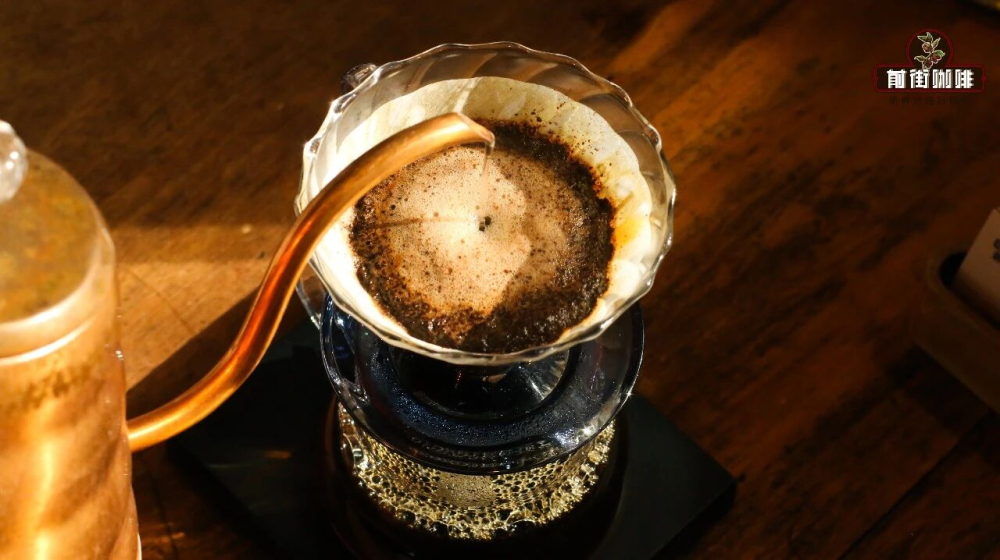
As the name suggests, the “One Pour” method completes the entire pour in one smooth motion. Unlike traditional methods that involve separate steps such as blooming and multiple pours, this approach pours the preset amount of water all at once, making the process quick and straightforward. Tetsu Kasuya himself was known for his precise 4:6 brewing technique in competitions, and this “One Pour” method showcases his philosophy of simplifying brewing.
Tetsu Kasuya uses a V60 dripper, 30 grams of coffee grounds, and grinds slightly finer than usual. The water temperature is set to 95°C. During pouring, he maintains a high flow rate while circling continuously, aiming to pour a total of 300 milliliters of water within 15 seconds. The overall brew time is around 1 minute and 30 seconds. Once the coffee has completely dripped through, the coffee bed evenly adheres to the inner wall of the dripper, forming a smooth bowl-like structure.
This brewing style can actually be categorized as a high-concentration, low-extraction method. Due to the finer grind, water penetrates the coffee bed more quickly, so the traditional bloom step is skipped. The combination of high water temperature and rapid pouring allows a large amount of flavor compounds to be extracted early in the brew, while the subsequent dripping process is completed naturally through the structure of the dripper. This not only reduces reliance on pouring skills but also highlights clear, vibrant fruit notes, resulting in distinct and energetic flavor layers.
Although the “One Pour” method is simple and convenient, there are still some details worth noting. First, it’s recommended to use a dripper with a larger capacity, such as a 2–4 cup size, because the large volume of water poured in a short time will cause the coffee bed to expand and rise. If the dripper capacity is insufficient, it may lead to poor drainage or overflow. Additionally, coffee bean selection is crucial—opt for light-roasted beans with pronounced floral and fruity notes, especially those processed via honey or anaerobic methods, as they better highlight the fresh characteristics brought out by this technique.
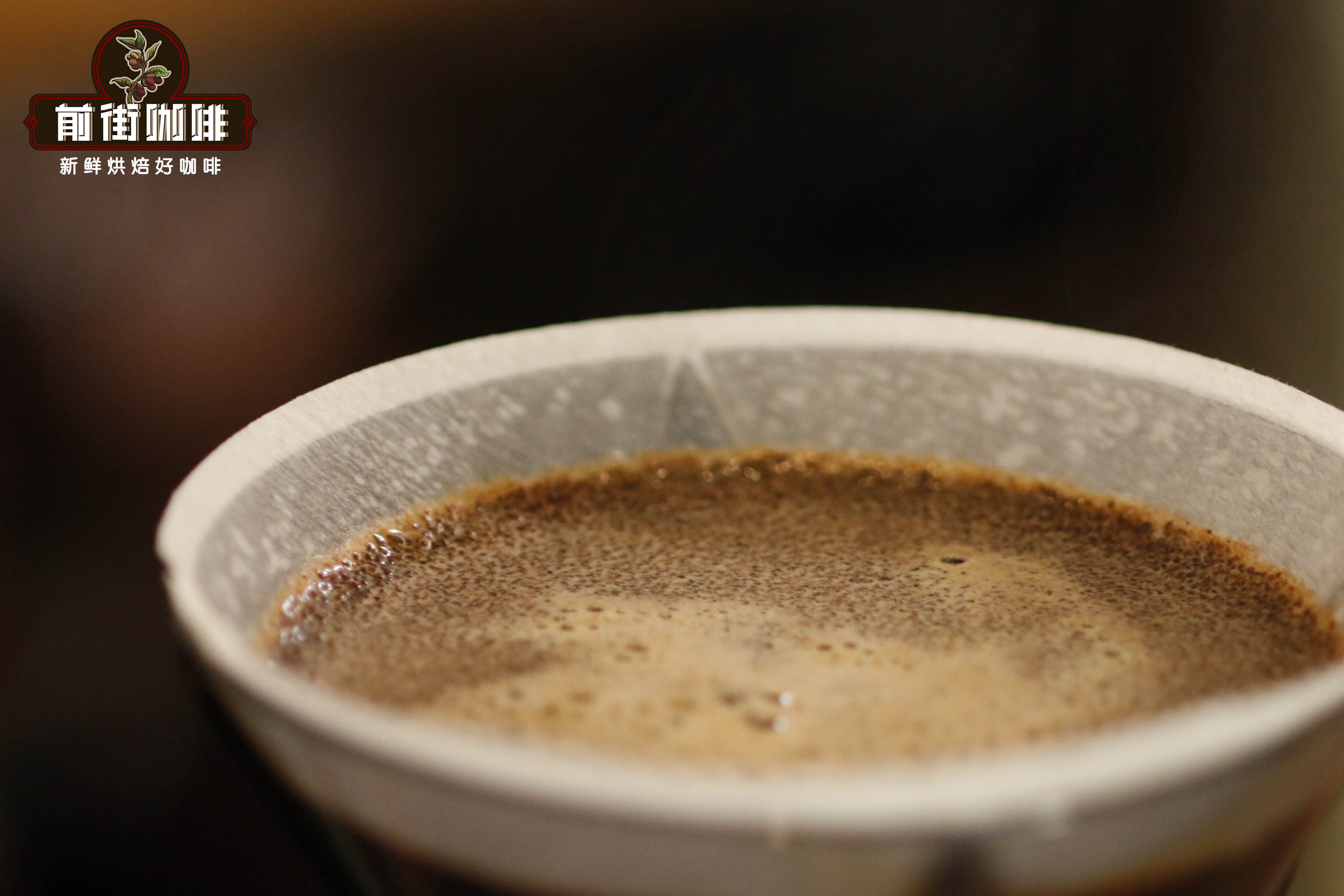
During actual brewing, you don’t need to obsess over perfect pouring control, but it’s advisable to maintain a consistent direction and pour in a circular motion with a high flow rate to create a vortex-like effect, which helps water penetrate the coffee bed at a uniform speed. To judge whether the grind size is appropriate, adjust based on observing the overall brew time rather than relying solely on feel or sight. In the end, the coffee bed evenly coating the inner wall of the dripper in a flat, bowl-shaped form is also a characteristic feature of this method.
A certain team also conducted practical tests on the Hario Infinity Dripper and found that its structure is particularly well-suited for the “One Pour” method. In real-world use, they adjusted some parameters to better match the characteristics and flavor profiles of local coffee beans. For example, they used 20 grams of Costa Rica Musician Beethoven beans, which exhibit distinct yellow floral notes along with melon and papaya fruit tones.
The team used a grind setting where 95% of the particles passed through a #20 standard sieve—slightly coarser than Kasuya’s version—to accommodate the slower flow rate of the Infinity Dripper. The water temperature was set to 94°C, with a total pour volume of 240 milliliters and a coffee-to-water ratio of 1:12. A refractometer measured the extraction concentration at 1.47%, with an extraction yield of approximately 15.56%, falling within the typical high-concentration, low-extraction range. Despite the seemingly high numbers, the actual cup felt comfortable—not overly intense—and delivered a pleasant, layered taste experience thanks to its bright acidity and clear fruit flavors.
The above content is compiled by CoffeeHunters, a coffee news website.


