







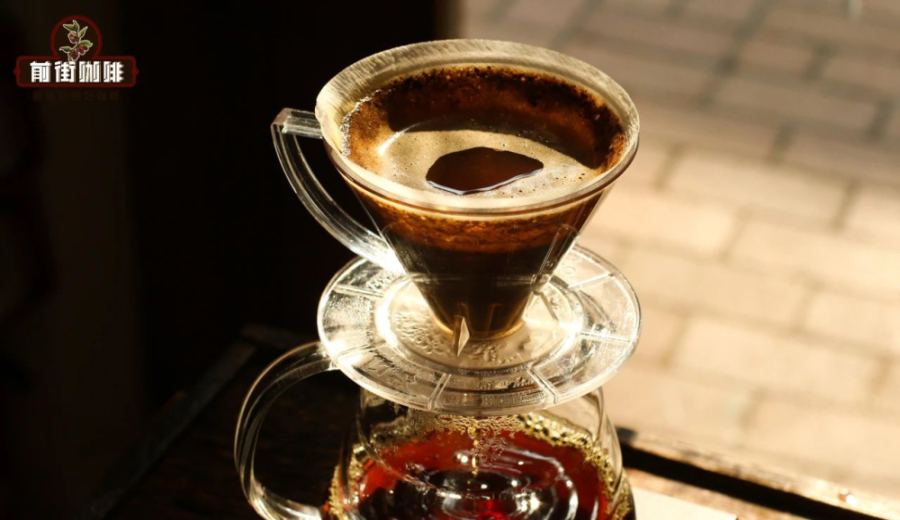
Introduction:Mastering the key elements of pour over coffee — from grind-to-water ratio to the three-stage pouring technique — will guide you step-by-step in crafting a well-balanced cup. This article provides a detailed breakdown of how to calculate brew ratios, understand the logic behind multi-stage pouring, and follow a beginner-friendly brewing process, helping you establish a stable and repeatable method.
The charm of pour over coffee lies in every meticulous step, from bean selection and grinding to extraction — each influencing the final flavor. Among these, the grind-to-water ratio is the core parameter that determines coffee strength and complexity. This article takes a systematic approach to explain how brew ratios are calculated, the principles and practice of three-stage pouring, and combines practical experience to help you build a reproducible brewing routine from the ground up.
Many beginners are first drawn to pour over by the sight of a barista expertly circling hot water from a kettle, releasing enticing aromas. In essence, pour over is the process of dissolving aromatic compounds produced during roasting by exposing coffee grounds to hot water, then filtering through paper or other media to yield a clean, pure black coffee. This method not only relies on equipment compatibility but also demands mastery of parameters and consistent technique.
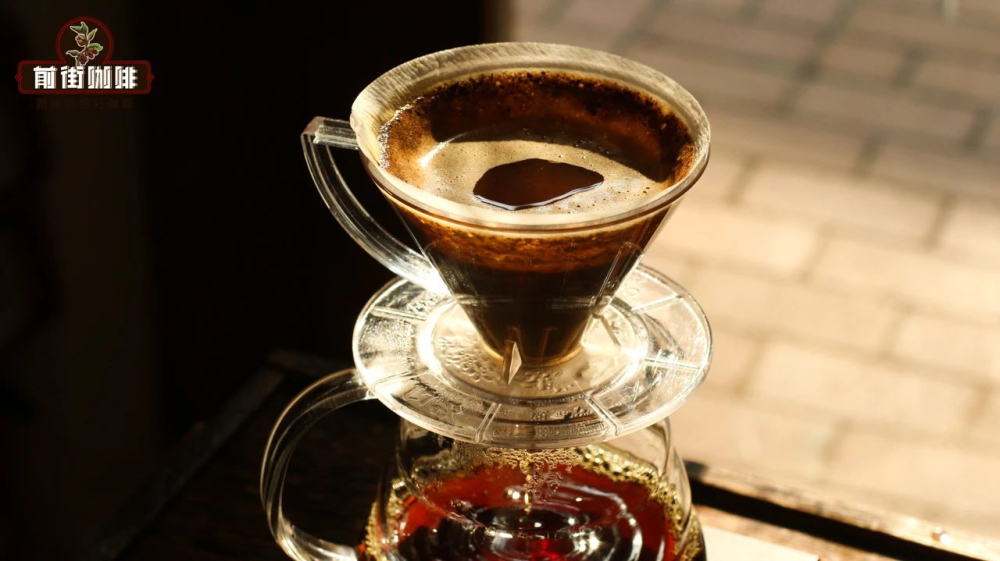
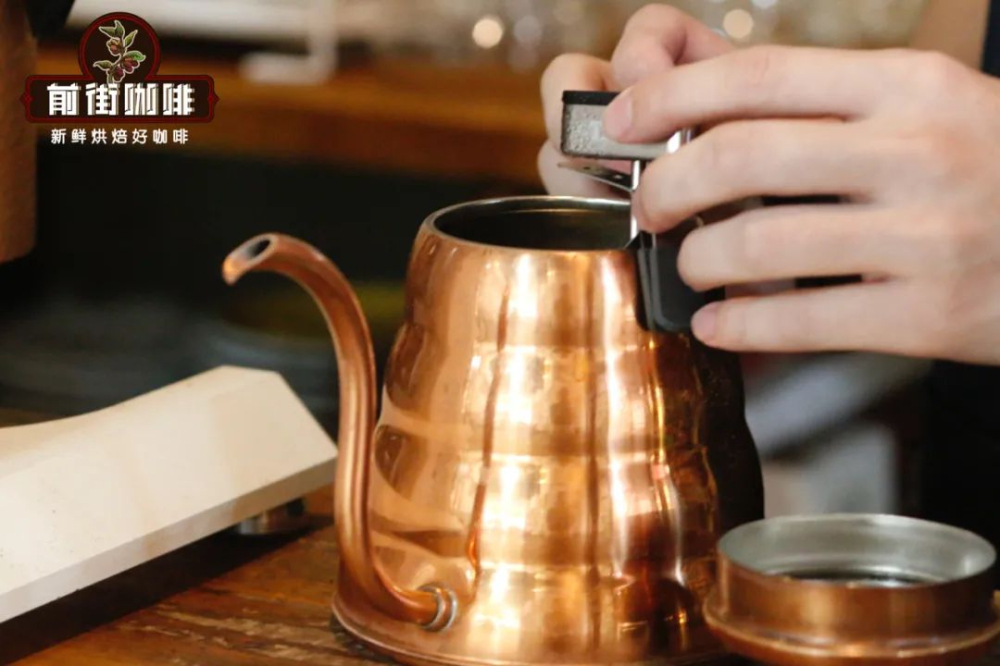
Numerous factors affect pour over flavor, including coffee bean freshness, grind size, water temperature, pouring technique, and brewing time. To ensure optimal extraction, it's recommended to prepare the following basic tools: a pour over kettle, filter cone and paper, server, grinder, digital scale, and thermometer. Especially the scale and thermometer help you precisely control two critical variables: water volume and temperature.
When choosing coffee beans, it’s best to select those roasted within 4 to 30 days — this is the peak flavor window for most beans. Freshly roasted coffee typically tastes best within the first 5 days, and using it shortly after arrival allows you to fully enjoy its rich complexity.
What is a grind-to-water ratio? Simply put, it’s the weight of coffee grounds relative to the total volume of water used, and this number directly affects the coffee’s strength and extraction yield. For example, using 15 grams of coffee with a 1:15 ratio means you’ll pour 225 milliliters of water. All else being equal, more water results in a lighter, more diluted cup, while less water yields a stronger, more concentrated brew. However, too much water can lead to over-extraction, bringing out undesirable bitter compounds.
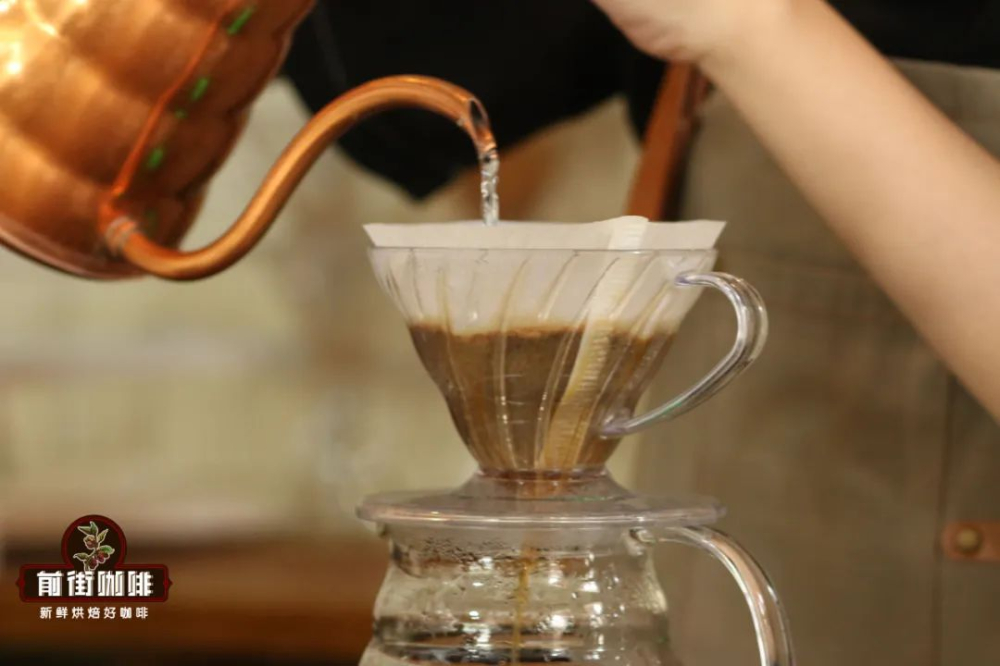
Why use multiple pours? Many notice that professional baristas don’t pour all the water at once but instead pour in stages, pausing briefly between pours. This is known as staged or segmented extraction. A common practice is to begin with a small amount of hot water for a “bloom,” which helps release trapped gases in the grounds and preps them for optimal extraction.
For example, with 15 grams of coffee, a typical bloom uses double the coffee weight in water — about 30 milliliters — and lasts roughly 30 seconds. This “bloom formula” is not only beginner-friendly but also forms the foundation of the three-stage method. The “number of stages” refers to how many pauses occur during pouring after the bloom. For instance, if you pour in two stages after the bloom (plus the bloom itself), it becomes a three-stage pour. Pouring all the water in one go after the bloom is called “single pour” or “one-shot.”
The advantage of segmented extraction is that the release rates of acidic, sweet, and bitter compounds in coffee differ. By controlling water volume and flow rate in stages, you can extract these flavor components more evenly, enhancing overall complexity. However, too many stages may prolong total brew time, increasing the risk of over-extraction — especially in later stages where larger molecular bitter compounds emerge, affecting mouthfeel. Therefore, finding the right number of stages and water distribution per stage is essential.
For beginners, we recommend the three-stage pour method, which balances strength and extraction efficiency while improving flavor clarity and avoiding over-extraction. Using 15 grams of coffee and a 1:15 ratio (total 225 milliliters), suggested pour volumes are: first stage 30 ml, second stage 95 ml, third stage 100 ml. On the scale, these correspond to cumulative weights of 30 g, 125 g, and 225 g.
This demonstration uses washed-process Yirgacheffe Guddu Cooperative beans with a Hario V60 filter cone. The V60’s spiral ridges aid in gas release and are particularly suited for light roasts, highlighting acidity and fruity-floral notes. As a light roast, Yirgacheffe benefits from water at 92°C to 93°C to bring out its bright citrus and floral tones. A medium-fine grind is advised, roughly equivalent to 78% extraction through a standard Chinese No. 20 sieve — similar in size to fine sugar. Too coarse a grind leads to under-extraction, while too fine risks over-extraction and bitterness.
For brewing parameters, a 1:15 to 1:16 ratio can be tried. Choose 1:15 for a stronger taste or 1:16 for clearer, sweeter flavors. First, fold and place the filter in the cone, ensuring it adheres well. Add 15 grams of ground coffee and tare the scale.
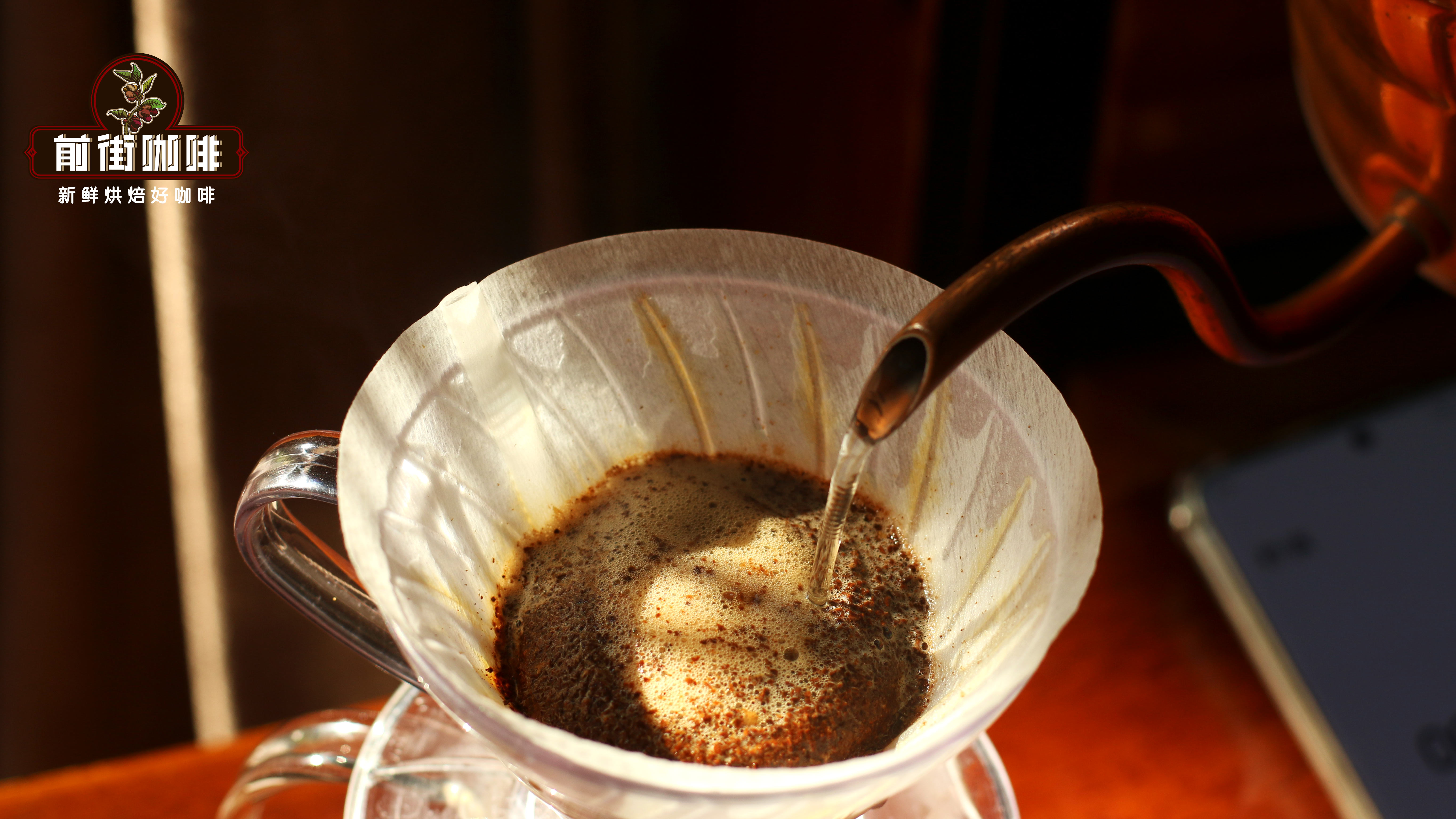
For the first stage, pour 30 grams of water for the bloom and start timing. Use a gentle stream, circling from the center outward, to ensure even saturation of all grounds — aim for around 30 seconds. Then proceed to the second stage, switching to a slightly stronger flow to pour 95 grams of water steadily, gently raising the coffee bed. Keep the pour vertical and even; the scale should read around 125 grams, with this stage taking about 55 seconds in total.
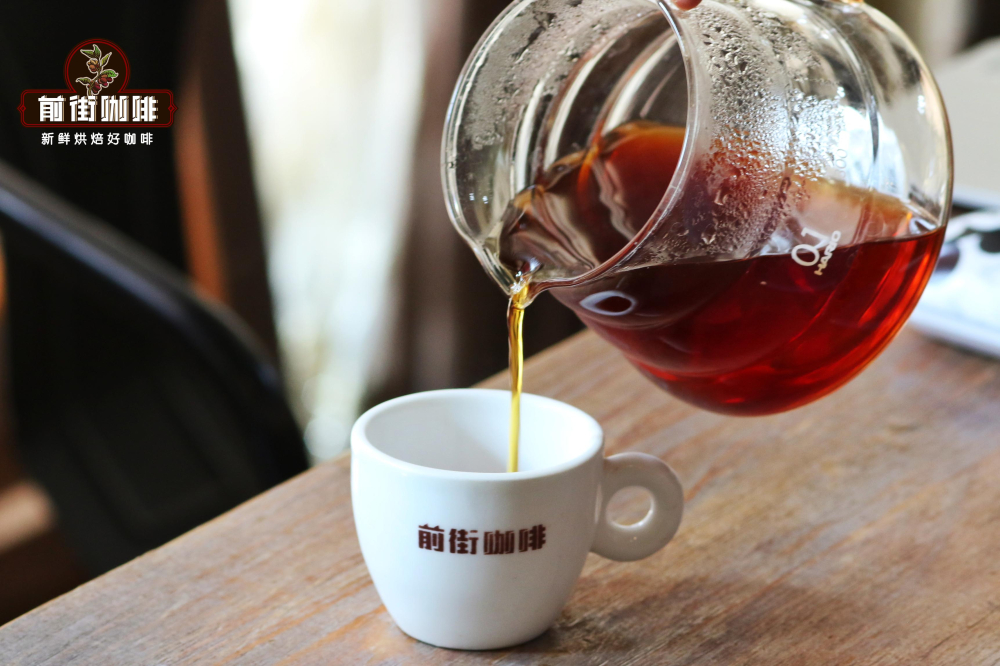
Once the liquid level drops to about half, begin the third stage. Use a smaller stream and limit your pour circle to inject the remaining 100 grams. Avoid pouring too forcefully to prevent disrupting the coffee bed, which could lead to uneven extraction. The final total water volume is 225 grams, with the full drip-through ideally finishing in about 2 minutes. After removing the filter, gently swirl the server to even out the coffee before sipping.
Pour volumes for each stage aren’t set in stone and can be adjusted based on personal experience and bean characteristics. There’s no absolute standard for pour over — the key is to experiment and observe repeatedly to find the parameters that suit your taste. With time and practice, mastering the art of pour over is entirely achievable.
The above content is compiled by CoffeeHunters, a coffee news website.


