







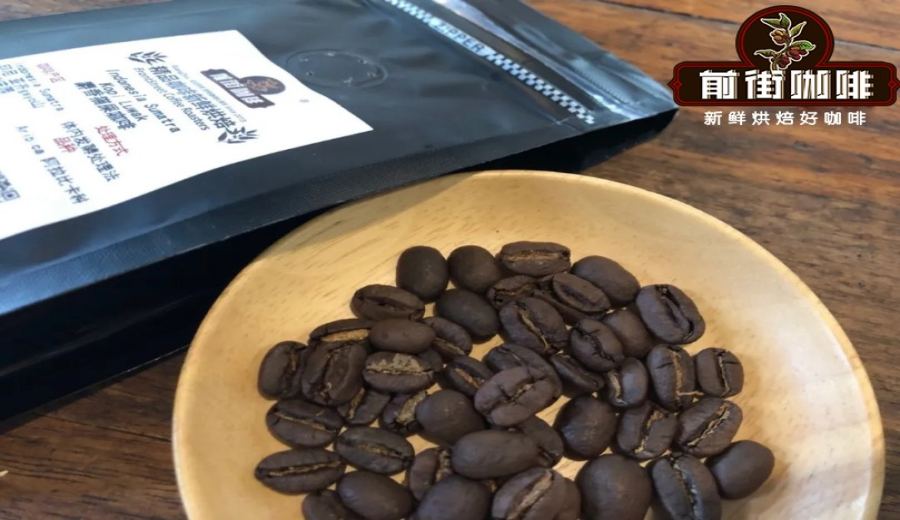
Introduction:Civet coffee, commonly known as cat poop coffee, is one of the most expensive coffees in the world, originating from Sumatra, Indonesia. It is renowned for its unique fermentation process and rare production volume. This article delves into its historical origins, flavor characteristics, and explores how it differs from regular coffee. It also provides professional pour over recommendations and tips on using the KONO filter to help you fully understand this legendary coffee and master the best extraction methods.
Civet coffee, scientifically named Kopi Luwak, is an extremely rare type of coffee from Indonesia and one of the most expensive coffee varieties in the world. Many people have questions about it: Why is it called "cat poop coffee"? Why is it so expensive? How is it different from the regular coffee we drink every day? This article will take you on an in-depth journey through its historical background, production process, flavor profile, and actual brewing techniques to help you explore this highly-discussed coffee.
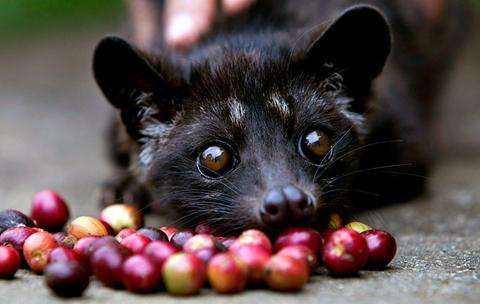
The origin of the name "cat poop coffee" can be traced back to the 18th century during the Dutch colonization of Indonesia. At that time, the Dutch established numerous coffee plantations in Sumatra and Java, shipping coffee beans back to Europe to reap huge profits. To protect their interests, the colonists prohibited local residents from picking or consuming coffee fruits. However, this only sparked the locals’ curiosity about coffee. Not long after, plantation workers noticed that a wild animal called the civet often sneaked into the plantations to eat ripe red coffee cherries.
Civets have an extremely keen sense of smell, capable of identifying the sweetest and fully ripe coffee fruits. They only select the highest quality coffee cherries to eat but cannot digest the coffee beans inside, which are eventually excreted intact in the civet’s feces. This seemingly peculiar and even unhygienic process unexpectedly subjects the coffee beans to a special form of “internal fermentation,” resulting in their unique flavor. Locals collected these “special feces,” carefully cleaned and dried them, then roasted them, ultimately giving birth to the world-famous civet coffee.
Because civets only choose the ripest and sweetest coffee fruits, and because this animal is found only in specific regions such as Sumatra, the production of civet coffee is extremely limited, contributing to its high price. It often ranks among the most expensive coffees in the world. Many people are put off by the term “cat poop,” but in fact, with proper processing, this coffee is not dirty at all and instead boasts a very distinctive flavor profile.
So, what does civet coffee actually taste like? Since its raw materials come from the Sumatra region—already known for its rich and bold flavors—the natural fermentation effect brought by the civet’s digestive process gives this coffee, besides common nutty and herbal aromas, an additional layer of unique fermented complexity. Compared to Indonesia’s famous Mandheling coffee, its flavor is deeper and more intricate, with a distinctly full-bodied mouthfeel.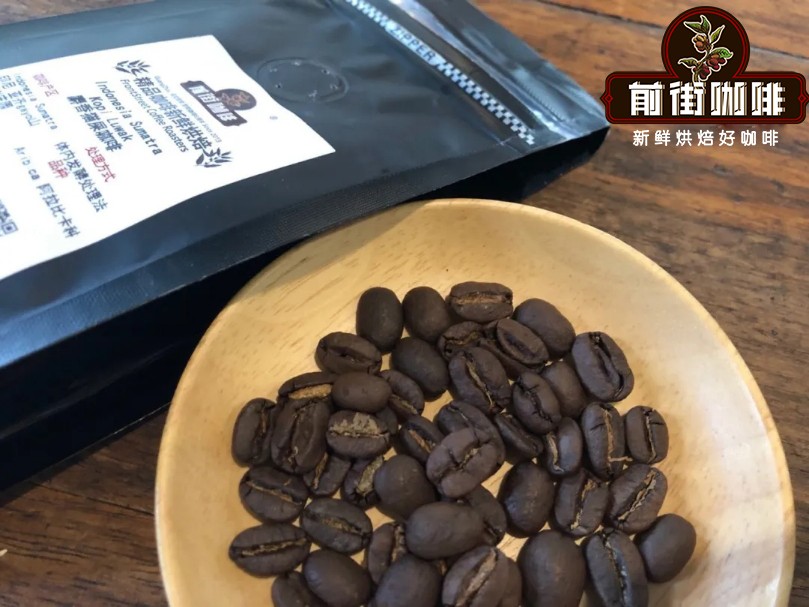
Essentially, civet coffee is still coffee, with caffeine content and effects on the human body similar to regular coffee. Moderate consumption can help improve concentration, boost metabolism, and even enhance athletic performance, such as increasing muscular endurance and reducing exercise fatigue. However, like other types of coffee, excessive intake may lead to palpitations or insomnia, especially for individuals with high blood pressure or cardiovascular conditions, for whom caution is advised.
When it comes to brewing, to fully showcase the bold character and herbal notes of civet coffee, it is recommended to use a medium-dark roast paired with brewing tools like the KONO filter that can effectively extend extraction time. A medium-dark roast allows the coffee beans to release more body-enhancing compounds while preserving a certain level of flavor complexity, making it ideal for those who prefer a rich taste.
In practice, it is recommended to use water at 88°C, with a coffee-to-water ratio of 1:15. Starting with 15 grams of coffee grounds, aim for a grind size corresponding to 75% of a #20 sieve’s throughput. When using the KONO filter, due to its design featuring only localized ribs, once the water level rises above this area, internal pressure within the filter increases gradually. Coupled with its narrow spout, this prolongs the contact time between water and coffee grounds, further enhancing extraction efficiency and flavor richness.
The specific brewing steps are as follows: Begin with a 30-second bloom using approximately 30 grams of water to release carbon dioxide and stabilize subsequent extraction. Then pour water in small circles, performing the first pour when the total water volume reaches 125 grams, followed by continuing to pour until 225 grams and then stopping. Wait until all the water has dripped through the filter before removing it, keeping the overall extraction time around 2 minutes. Finally, it’s recommended to gently swirl the brewed coffee before pouring it into your cup to achieve a more balanced flavor experience.
Additionally, the storage and freshness of the coffee beans are crucial factors affecting the final flavor. It is recommended to choose beans shipped within 5 days of roasting and consume them within 4 to 7 days of receipt. This period is typically regarded as the coffee’s “resting period” and is when its flavor performs best. If purchasing pre-ground coffee, it is advisable to brew it as soon as possible, as ground coffee oxidizes faster upon exposure to air, leading to quicker flavor loss.
In summary, although civet coffee is expensive, its unique production process and rarity offer an extraordinary flavor experience. Whether as a collector’s item for coffee enthusiasts or as a unique tasting challenge, it is well worth trying. If you’re curious about this type of specially processed coffee, take the time to learn about its backstory and processing methods, or explore other regionally characteristic coffees—such as Ethiopia’s fruity profiles, Colombia’s balanced acidity, or Panama Geisha’s citrus and berry notes—to find your own coffee preference.
The above content is compiled by CoffeeHunters, a coffee news website.


