







Introduction:When purchasing black tea, the common "organic" label often evokes associations with health and high quality. However, the actual flavor and the truth behind the certification may differ from expectations. This article delves into the cultivation differences between organic and sustainable tea gardens, analyzes how fertilization alters the internal chemical compounds of tea leaves and consequently affects flavor profiles, and shares firsthand observations from tea gardens to help you make more accurate judgments when balancing health and taste preferences.
Many tea enthusiasts, when selecting black tea, prioritize products labeled as "organic," intuitively believing this signifies something more natural, healthier, or even inherently synonymous with high quality. Yet, is there truly a significant difference in flavor between certified organic black tea and regular black tea? Does an organic certification equate to a guarantee of quality? To clarify these questions, we must start with the fundamental differences in tea garden management practices—especially the specific impacts that sustainable and organic cultivation methods have on tea leaf composition and taste.
Sustainable tea gardens and organic tea gardens may sound similar, but they entail key distinctions. The former emphasizes that tea trees rely on the natural ecosystem for self-sufficiency, without depending on human intervention—much like wild plants that draw nitrogen and other minerals from their surrounding environment. The latter, while limiting the use of chemical fertilizers and pesticides, often supplements nutrients with organic fertilizers to maintain yield and economic returns. Notably, even those labeled "organic," many tea gardens, in order to recoup the costs of certification, still increase fertilization frequency, leading to imbalanced proportions of chemical compounds in the tea leaves.
The impact of fertilizer use on the chemical composition of tea leaves is worth noting. Excessive nitrogen fertilizer accelerates tea tree growth, causing nutrients to concentrate on branch and leaf expansion rather than the accumulation of secondary metabolites. This leads to a significant reduction in polyphenol content (a key substance affecting bitterness, astringency, and aftertaste), while also stimulating chlorophyll production, resulting in greener leaf color and larger cell size. In contrast, sustainable tea gardens that do not use fertilizer, due to limited nitrogen sources, slow down the tea tree’s growth rate, increase cell density, and can accumulate up to more than three times the amount of polyphenols compared to conventionally fertilized tea leaves—resulting in a richer and more layered flavor profile.
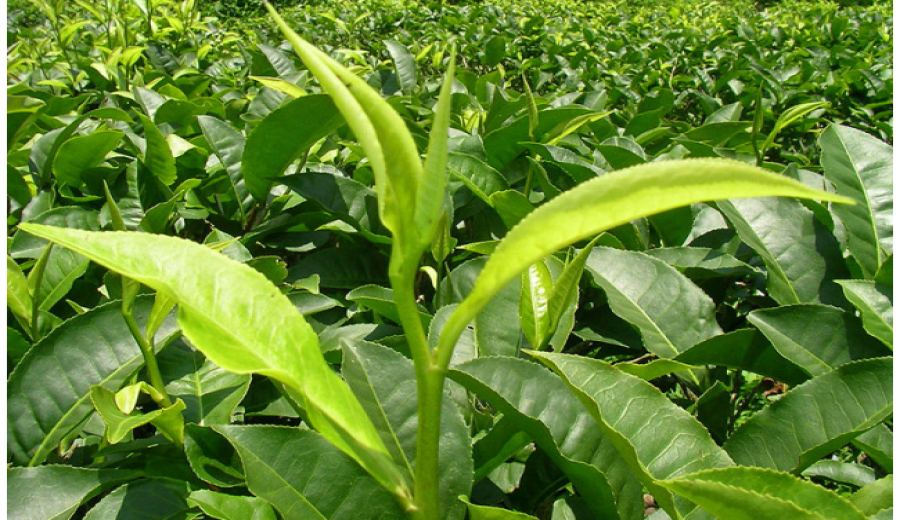
The operation of sustainable tea gardens is built upon the foundation of natural cycles. Minerals in the soil and carbon released from decomposed plants provide basic nourishment for the tea trees, while the acquisition of nitrogen relies on specific microbial symbiotic systems—for example, nitrogen-fixing bacteria that coexist with the tea tree roots, which can convert atmospheric nitrogen into a usable form. Though this process is slow, it helps maintain the ecological balance of the tea garden and reduces the need for external intervention. Field observations show that unfertilized tea gardens tend to produce tea leaves that are light yellow in color, with smaller leaf sizes, yet contain higher proportions of functional compounds such as antioxidants and minerals.
The choice of fertilization strategy is also related to the health and disease resistance of tea trees. Tea gardens using conventional fertilization, due to excessive nitrogen content, produce tender leaf tissues that are more susceptible to pest attacks; whereas tea trees in sustainable gardens, through long-term adaptation, gradually develop internal defense mechanisms. Even if they face pest challenges during the initial transition period, they can demonstrate stable resistance after seven to eight years. This phenomenon reflects the profound impact of ecological balance on the long-term quality of crops.
Consumers often mistakenly assume that "organic" automatically means "healthy." In reality, organic certification only regulates the limitations on pesticide and chemical fertilizer use, without directly evaluating the nutritional value contained within the tea leaves. Some organic tea gardens, in pursuit of yield, apply large amounts of organic nitrogen fertilizer, which can instead lead to a higher proportion of amino acids and lower polyphenol content—akin to indirectly ingesting fertilizer components. Tea leaves that are truly beneficial to health should be rich in polyphenols and minerals, components that are mostly found in environments where natural growth is minimally disturbed.
The intersection of quality pursuit and health needs often lies in the choice of tea garden management methods. Experience from traditional high-quality tea regions in China shows that tea trees that have not been fertilized for a long time, due to extended growth cycles, can accumulate more secondary metabolites, giving the tea liquor a richer mouthfeel and long-lasting aftertaste. This quality characteristic aligns perfectly with the cultivation philosophy of sustainable tea gardens—by preserving the natural ecological chain, the tea trees’ own physiological regulatory abilities are stimulated.
For black tea enthusiasts, understanding the management philosophy behind the tea gardens can help identify choices that truly meet individual needs among a wide range of products. Whether prioritizing flavor depth, health attributes, or environmental sustainability, recognizing the actual impact of fertilization practices on tea leaf composition will be a key factor in making informed decisions.
The above content is compiled by CoffeeHunters, a coffee news website.


