







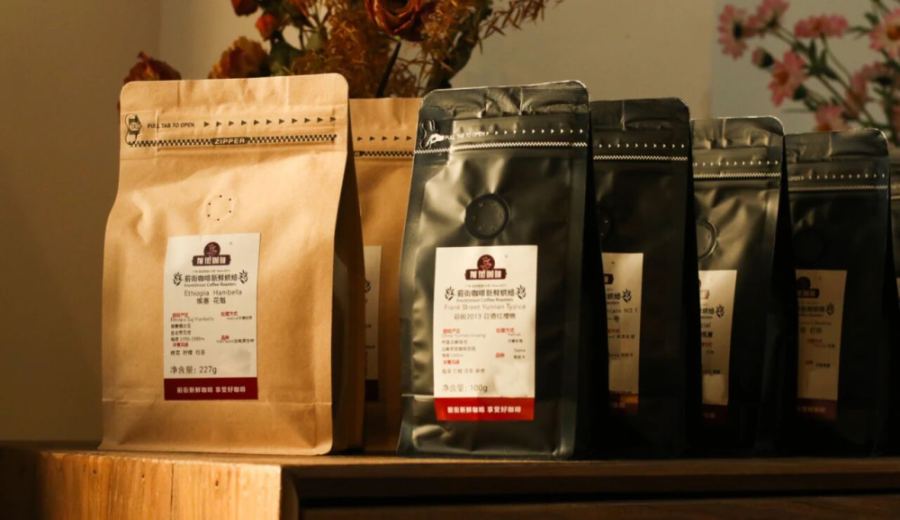
Introduction:New to coffee and unsure where to start with so many regions and flavor profiles? This article explores the three major coffee-growing regions—Africa, the Americas, and Asia—analyzing their unique flavor characteristics, including acidity, body, and aroma. It also provides practical tasting notes for representative countries such as Ethiopia, Colombia, Brazil, and Indonesia, helping you quickly find the beans that suit your preferences and enhance your buying and brewing experience.
When stepping into the world of coffee, one of the first challenges is often: “Which coffee beans are right for me?” With so many varieties available, understanding the basic flavor profiles of each major region can help you more efficiently choose beans that match your taste. Global coffee production is generally divided into three main regions: Africa, the Americas, and Asia, along with some island-producing countries, each showcasing distinct flavor characteristics.
Generally speaking,coffee from the African region is known for its bright acidity and rich floral and fruity aromas, making it ideal for those who prefer a refreshing taste;the Americas region is celebrated for its balanced acidity and sweetness, as well as its smooth mouthfeel, often featuring chocolate or nutty notes, making it a popular starting point for many coffee beginners;Asian region coffees are generally full-bodied, low in acidity, and often accompanied by herbal or spicy undertones, suiting consumers who prefer a richer flavor. Below, we will introduce the characteristics of these regions and the flavor profiles of their representative countries.
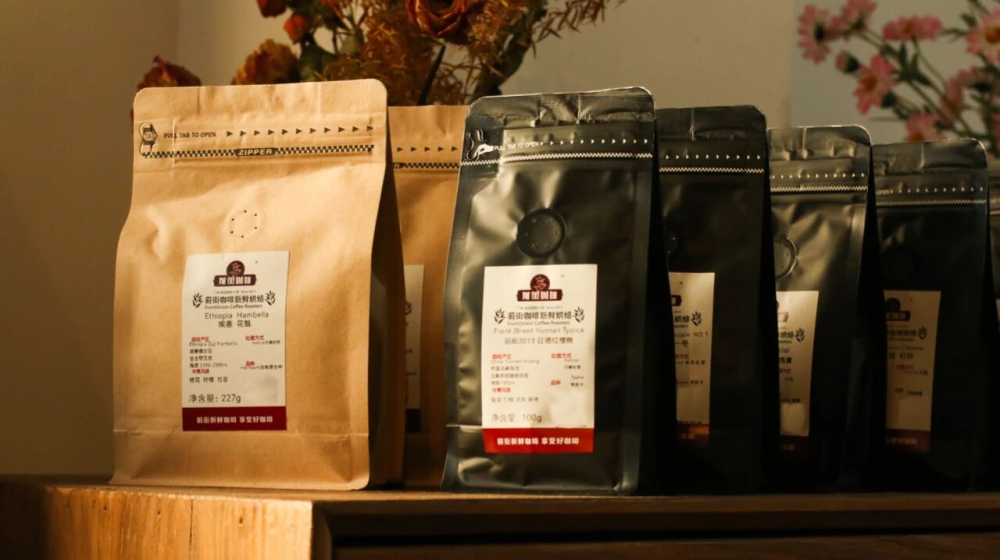
First, let’s look at the African region, a top choice for many specialty coffee enthusiasts, represented by Ethiopia and Kenya. Ethiopian coffee typically offersexceptionally bright acidity and complex floral and fruity aromas, such as white floral notes, citrus, and green tea tones, ideal for those who enjoy a crisp taste. Recommended options include beans with white floral, citrus, and green tea characteristics, or choices with strawberry, light floral, and orange notes—even the more advanced Geisha variety can deliver layers of chamomile, berries, and fruit candy.
Kenyan coffee, on the other hand, is renowned for itsintense acidity and high body—where “body” refers to the weight and fullness of the coffee in the mouth. Kenyan beans often feature complex fruit flavors such as dark berries, black plums, and pears, appealing to coffee lovers who seek depth and lingering aftertaste. If you enjoy coffee with bright acidity and a solid mouthfeel, the Kenyan region is definitely worth trying.
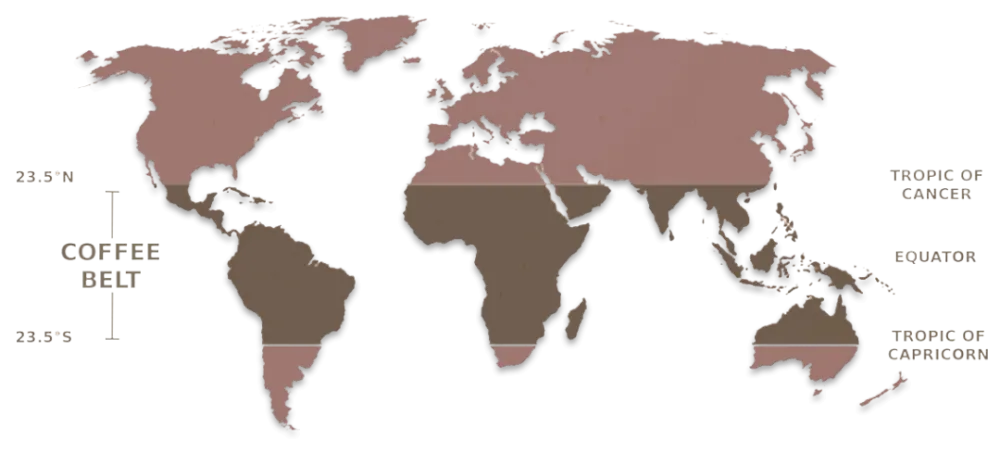
Next is the Americas region, which includes well-known producing countries such as Panama, Colombia, Costa Rica, and Brazil. The overall flavor profile here is balanced, smooth, and diverse. Panama’s Geisha variety is undoubtedly the flagship of the region, known for itsjasmine, orange, and melon aromas, with a finish reminiscent of Tieguanyin tea, offering an exceptionally smooth taste with a long-lasting aftertaste—it’s a favorite among many pour over enthusiasts.
Colombian coffee beans are usually plump, with flavors focused oncocoa, nuts, and chocolate notes, featuring gentle acidity without being sharp. They are suitable for single-origin brewing as well as being a base for espresso blends, and pair beautifully with milk to highlight their smooth and full-bodied qualities. Costa Rica mostly employs the honey processing method, especially black honey, which preserves the most mucilage, resulting in noticeable fermentation and sweetness, with notes like pink floral, grape juice, and berries, and a fresh, sweet aftertaste.
As for Brazil, due to its relatively lower altitude, sun-drying is commonly used, and the flavors primarily consist ofnuts, roasted peanuts, and a buttery texture, with almost no noticeable acidity. The mouthfeel is full-bodied and balanced, suitable for those who prefer low-acidity and rich flavors. Honduran coffee carries fruity notes with a nutty and toffee finish; although its body isn’t particularly high, the aroma is clear, making it suitable for everyday drinking.
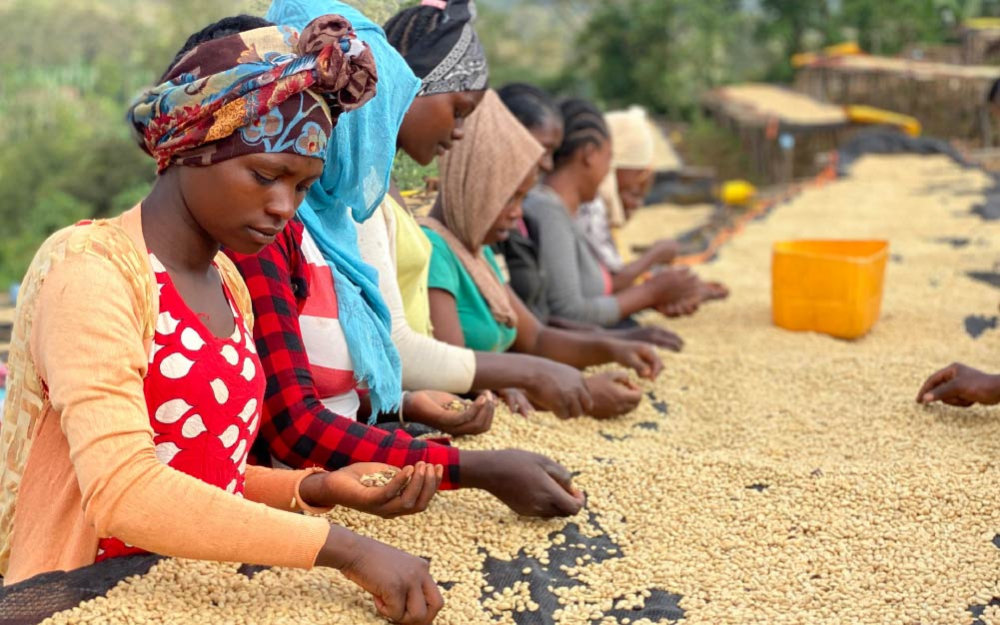
Finally, the Asian region, represented by Indonesia and some island-producing countries. Indonesian coffee, such as Mandheling, is known for itslow acidity, high body, and distinct caramel aroma, along with herbal and spicy undertones, making it a favorite among those who enjoy a bold flavor. Island-producing countries like Jamaica are famous for Blue Mountain coffee, hailed as the “King of Coffee,” which features a balanced and delicate flavor with layers of nuts, chocolate, caramel, and cream, achieving a perfect balance of sweet, sour, and bitter—it’s a representation of premium coffee.
Hawaiian coffee falls under the island-flavor category, with soft acidic brightness, maltose-like sweetness, and the roasted aroma of dark chocolate, though its body is somewhat lighter, making it suitable for those who enjoy a milder taste. Additionally, Papua New Guinea coffee, often dubbed the “Little Blue Mountain,” offers a flavor profile that lies between mild and full-bodied, with notes of cocoa, nuts, and white chocolate. Its acidity is light and slightly infused with spice and chocolate tones, making it a very likable middle-ground choice.
The above content is compiled by CoffeeHunters, a coffee news website.


