







Introduction:The Night-Blooming Jasmine Dancong is an exceptionally aromatic and representative tea among Phoenix Dancong oolongs, celebrated for its distinctive night-blooming jasmine floral notes. This article delves into this oolong tea, made from 150-year-old ancient tea trees in Wudongshan, Chaozhou, and handcrafted by Master Lin. From varietal origins, terroir ecology, production techniques to flavor layers, it offers a comprehensive understanding of its aromatic characteristics and drinking value, supplemented with practical tasting insights. Ideal for both tea enthusiasts and coffee lovers eager to explore the aromatic spectrum of oolong tea.
Night-Blooming Jasmine Dancong is a highly recognizable tea within the Phoenix Dancong category, named after the fragrance it emits—strikingly similar to that of the night-blooming jasmine flower (Telosma cordata). This yellow blossom is sometimes also referred to as “night lavender” or “night orchid.” Its aroma is elegant and carries a subtle sweetness, and this oolong tea earns its name by perfectly replicating this unique floral profile.
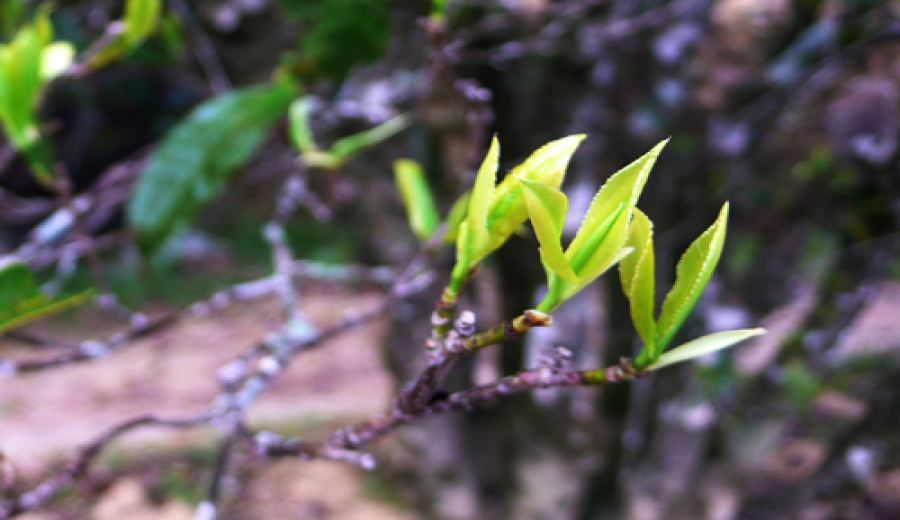
This tea is sourced from a single 150-year-old tea tree growing at an altitude of around 1,000 meters on Wudongshan in Chaozhou, Guangdong Province, part of the renowned Wudongshan area within the Phoenix Mountain range. Often hailed by tea connoisseurs as a treasure land for Dancong teas, this mountain is prized not only for its cool climate and abundant cloud cover due to high elevation but also for its soil and microclimate conditions, which nurture many ancient tea trees with strong terroir character.
Master Lin is the producer of this Night-Blooming Jasmine Dancong. Though not from a tea farming family, his passion for tea crafting and over thirty years of hands-on experience have earned him widespread recognition as an exceptional tea master. He insists on using leaves from single ancient tea trees and crafts the tea entirely by hand without blending, resulting in each batch showcasing remarkable uniqueness and terroir expression. Having taught himself tea production techniques, he has traveled extensively across Phoenix Mountain’s tea regions, learning from various tea masters, and has actively participated in tea competitions since 2002, earning numerous accolades, including the top gold award in the Dancong category at the 2007 Guangzhou International Tea Expo.
This Night-Blooming Jasmine Dancong is an oolong tea with a medium level of roasting. The dry leaves appear tightly rolled into small, slender strips. Upon brewing, the first impression is a warm, fruity aroma reminiscent of roasted peaches, followed by a distinct floral note. With careful sipping, one can detect the unique sweet floral nuances of night-blooming jasmine. The tea liquor delivers a pronounced honey-like sweetness, accompanied by a moderate astringency that tightens the mouthfeel, adding layers and intensity to the overall taste—a typical characteristic of roasted Dancong teas.
In terms of aroma, Night-Blooming Jasmine Dancong exhibits a highly three-dimensional fragrance profile. The initial infusions are dominated by fruity and honey-like aromas, which gradually give way to floral notes that evolve into soft, sweet fragrances as the brewing continues. In the final infusions, a long-lasting throat resonance and lingering terroir aftertaste emerge. This dynamic shift in aroma across brews is one of the most captivating aspects of Phoenix Dancong teas.
From a terroir perspective, Wudongshan is located in a high-altitude region enveloped in fog, with significant day-night temperature variations. These environmental factors are highly conducive to the accumulation of tea leaf compounds, particularly aromatic substances and amino acids, resulting in a fresh, vibrant liquor and intense fragrance. Additionally, the tea trees in this area are mostly centuries-old, with deep root systems that absorb richer minerals and trace elements from the soil—key contributors to the tea’s notable body and sweet aftertaste.
Master Lin’s tea-making process is meticulous, with personal oversight at every stage—from fresh leaf plucking, sun-withering, indoor withering, shaking, fixation, rolling to roasting. Especially during the roasting phase, he employs a medium-heat slow-roasting method aimed at preserving the foundational floral and fruity aromas while further stabilizing the tea’s character and enhancing the richness of the liquor and depth of throat feel. Such handcrafted, high-mountain Dancong teas are produced in extremely limited quantities each year, making them all the more precious.
For tea enthusiasts seeking to deeply understand the aromatic system of Phoenix Dancong, especially the floral varieties, Night-Blooming Jasmine Dancong serves as an exemplary model. It not only showcases the pinnacle of Phoenix Dancong’s ability to mimic natural fragrances but also reflects the unique flavor charm of high-altitude ancient-tree teas. If you appreciate oolong teas with distinct aromatic identity and layered complexity, this tea is an unmissable choice.
The above content is compiled by CoffeeHunters, a coffee news website.


