







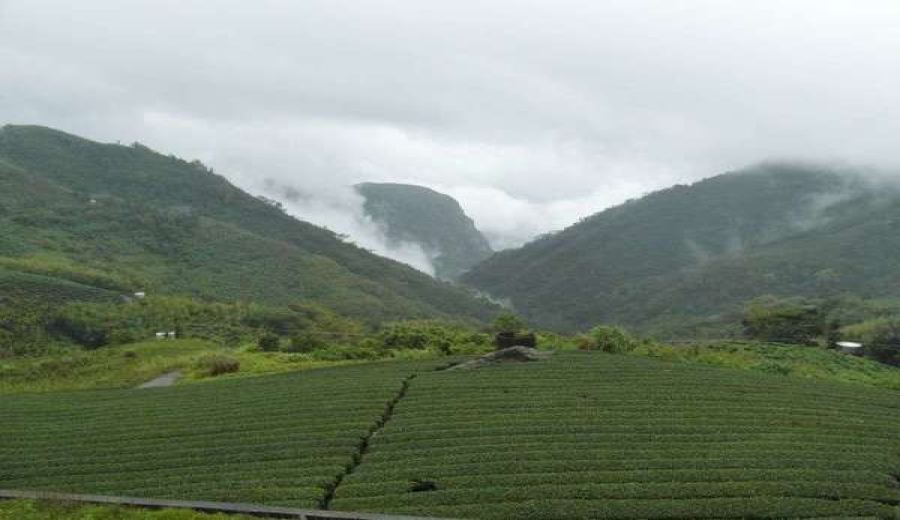
Introduction:Taiwanese Ruby Black Tea is renowned for its unique minty coolness and honey-like sweetness, delivering a flavor profile that rivals well-known international black teas. This article delves into the background of its tea plant, which was improved from large-leaf varieties, the suitable altitude and climate conditions for its growth, and why summer harvests yield the best quality. It also debunks common questions such as “Can it be served with milk?” and “Does it have a honey aroma?” Additionally, there are high-quality field-evaluated flavor notes of Taiwanese Ruby Black Tea to help you find your ideal way of enjoying it.
Among the many types of tea, Taiwanese tea is often overshadowed by the brilliance of oolong tea, but one variety stands out with its uniquely distinctive flavor—Ruby Red Tea. The most unforgettable aspects of this tea are its richly aromatic scent, reminiscent of brandy or premium cognac, and the pronounced minty coolness upon tasting, which is even more intense than the minty notes found in Ceylon Uva Black Tea, leaving a remarkably memorable taste impression.
The foundation of Ruby Red Tea actually comes from large-leaf tea plants, improved descendants of the Assam variety. Although large-leaf varieties are commonly found in tropical regions such as India and Sri Lanka, in Taiwan, these tea plants have been locally cultivated and technically improved over a long period, enabling them to adapt to the local environment and develop a uniquely distinctive black tea flavor. Notably, Taiwan began developing its black tea industry during the Japanese colonial period, when Japanese experts were dedicated to breeding and processing research, laying an important foundation for the birth of today’s Ruby Red Tea.
The main producing areas of Ruby Red Tea are not at very high altitudes, with an overall average annual temperature of about 23 degrees Celsius. The climate conditions are suitable for tea plant growth, and summer is especially the golden period for harvest. The one bud and two to three leaves picked at this time are gradually transformed through traditional black tea production processes—including indoor withering, rolling, fermentation, and drying—into the familiar black tea flavor we know. Particularly, the precise control during the fermentation stage is key to shaping the unique aroma and taste of Ruby Red Tea.
Many people are surprised by the layered flavors the first time they taste Ruby Red Tea. In addition to the distinct minty coolness, there is also a gentle honey-like sweetness. This sweetness is not cloying but carries a natural fruity-honey finish, making the overall drinking experience both refreshing and lingering. Moreover, its aroma is quite bold, sometimes even evoking the woody and fruity notes found in premium spirits.
In response to a common question among many tea enthusiasts: “Can Ruby Red Tea be served with milk?” the answer is yes. Due to its rich and well-structured tea liquor, it can still maintain a good flavor balance when milk is added, making it suitable for those who enjoy the taste of milk tea. However, if you want to fully experience its unique minty coolness and layered honey aroma, it is recommended to enjoy it straight—this way, you can better appreciate its distinctive charm.
Interestingly, another well-known heavily fermented high-mountain tea from Taiwan—Oriental Beauty, although categorized as oolong tea—shares a similar high fermentation process with black tea, and thus often delivers a drinking experience close to that of black tea in terms of body. This accumulation of tea-making techniques has also indirectly contributed to the mature performance of Ruby Red Tea in terms of fermentation and aroma control.
If you’ve ever heard the question, “Does Taiwan even produce black tea?” you might want to try a cup of Ruby Red Tea for yourself. It not only breaks the general impression that Taiwanese tea is mainly oolong, but also stakes its place on the international black tea tasting map with its unique mint and honey flavor profiles. Through field-evaluated samples of high-quality Ruby Red Tea, we found that tea leaves from pesticide-free farms exhibit even purer flavors, distinct layered aromas, sweet aftertastes that linger, making it a worthwhile choice for both entry-level and experienced tea drinkers.
The above content is compiled by CoffeeHunters, a coffee news website.


