







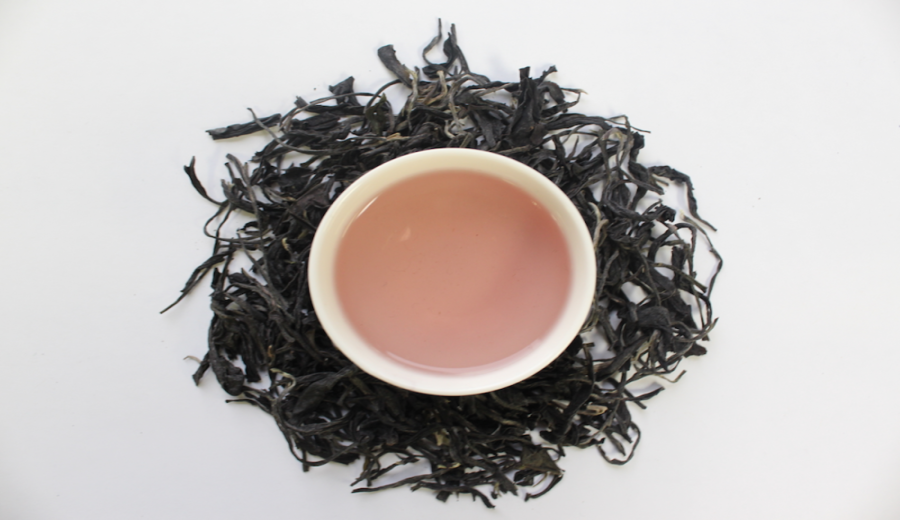
Introduction:Kenyan purple tea is a rare type of tea derived from a natural genetic mutation in tea plants, rich in anthocyanins, with antioxidant capabilities even surpassing those of blueberries. Grown at high altitudes, this tea not only offers a unique flavor profile but also boasts numerous health benefits. This article will delve into the origin, nutritional content, flavor characteristics, and brewing recommendations of purple tea, helping you fully understand this distinctive beverage that combines health benefits with exceptional taste.
Purple tea is a special category of tea resulting from a natural genetic mutation in tea plants. Its leaves exhibit a unique purple hue due to their high anthocyanin content. These anthocyanins are powerful antioxidants commonly found in berries such as blueberries, and purple tea contains up to 1.5% anthocyanins—significantly higher than the 1% found in blueberries. In addition to anthocyanins, purple tea also has higher levels of polyphenols and catechins compared to regular black and green teas, and it contains a unique GHG polyphenol, which has potential benefits for fat reduction and muscle gain.
The origins of this tea can be traced back to China, where initially only a small number of wild mutated plants were discovered. Later, through public-private sector collaboration, Kenya successfully isolated this mutated gene and achieved large-scale cultivation. Currently, the main production areas of Kenyan purple tea are located in the Nandi Hills region at altitudes of approximately 4,500 to 7,500 feet. The high-altitude environment, with intense ultraviolet radiation, prompts tea plants to produce more antioxidants. Moreover, due to favorable climatic conditions, pesticide use is minimal during cultivation.
Purple tea offers a wide range of health benefits. Among these, anthocyanins have been widely studied for their potential anti-cancer, heart-protective, vision-improving, and blood sugar and cholesterol metabolism-regulating properties. Compared to traditional black tea, purple tea contains less caffeine, making it more suitable for sensitive individuals. Additionally, purple tea has a polyphenol content of 16.5%, higher than that of black tea (10.1%) and green tea (9.1%). Its catechins, especially EGCG, contribute to neuroprotection, as they can cross the blood-brain barrier and enhance antioxidant capacity.
Purple tea also contains a unique GHG polyphenol. Preliminary research suggests that this component may reduce fat accumulation and increase lean body mass by affecting lipase activity, adding yet another dimension to its health value. These attributes make purple tea not just an everyday beverage, but also a specialty tea with potential wellness benefits.
In its country of origin, Kenya, tea is an important cash crop, but traditional black tea prices have been on a decline in recent years. The introduction of purple tea provides local farmers with new economic opportunities and has successfully opened up international markets. It’s worth noting that despite its high nutritional value and distinctive flavor, purple tea is not overly expensive—only a few dollars more than regular tea—making it quite affordable for consumers.
In terms of taste, purple tea offers a naturally sweet and forest-like aroma. When brewed, the tea liquor has a light color with a slight purplish tint—not as intense as regular black tea nor as astringent as green tea. It is recommended to use water just below boiling point, around 85 to 90 degrees Celsius, with a brewing time of about three minutes. This allows the tea's aroma and nutrients to be fully released while avoiding excessive tannin extraction that could lead to bitterness.
Overall, Kenyan purple tea combines the purity of a high-altitude environment with the unique advantages of a genetic mutation. Not only does it have a mild and smooth flavor, but it is also rich in high concentrations of antioxidants, making it a healthful tea worth trying. For consumers seeking healthy beverages or a novel tea experience, purple tea presents a refreshing and valuable option.
The above content is compiled by CoffeeHunters, a coffee news website.


