







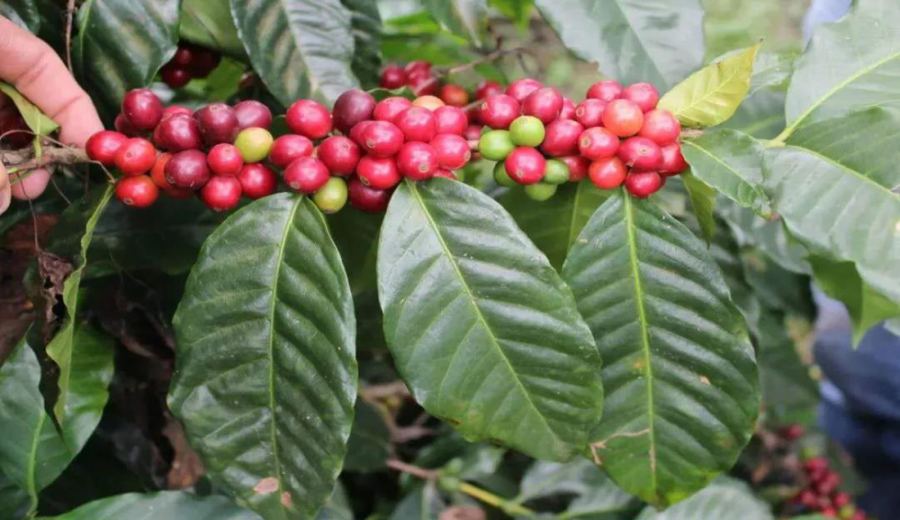
Introduction:Although Liberica coffee beans are not as commonly seen as Arabica or Robusta, they boast a unique historical background and flavor profile. This article delves into the origins, major growing regions, flavor characteristics of this large-bean variety, explores its current cultivation status and challenges, and provides practical brewing references to help you gain a more comprehensive understanding of these special coffee beans.
Commercially cultivated coffee beans around the world can be broadly divided into three main varieties: Arabica, Robusta, and Liberica. Among them, Arabica and Robusta are widely known, while Liberica is relatively niche yet holds a significant position. Also known as the "large-bean variety," Liberica originated in Liberia, West Africa. The trees are tall with large fruits and are highly adaptable. In the late 19th century, after the outbreak of coffee leaf rust, Liberica was promoted as a substitute crop in Southeast Asia.
Currently, the Philippines is the world’s largest producer of Liberica, followed by Malaysia, Indonesia, and Vietnam. However, due to its relatively one-dimensional flavor profile—often featuring intense bitterness and a pronounced smoky aroma, even being described as “liquid tobacco”—combined with difficult harvesting and low yields (accounting for only about 5% of global coffee production), it remains quite rare in the market.
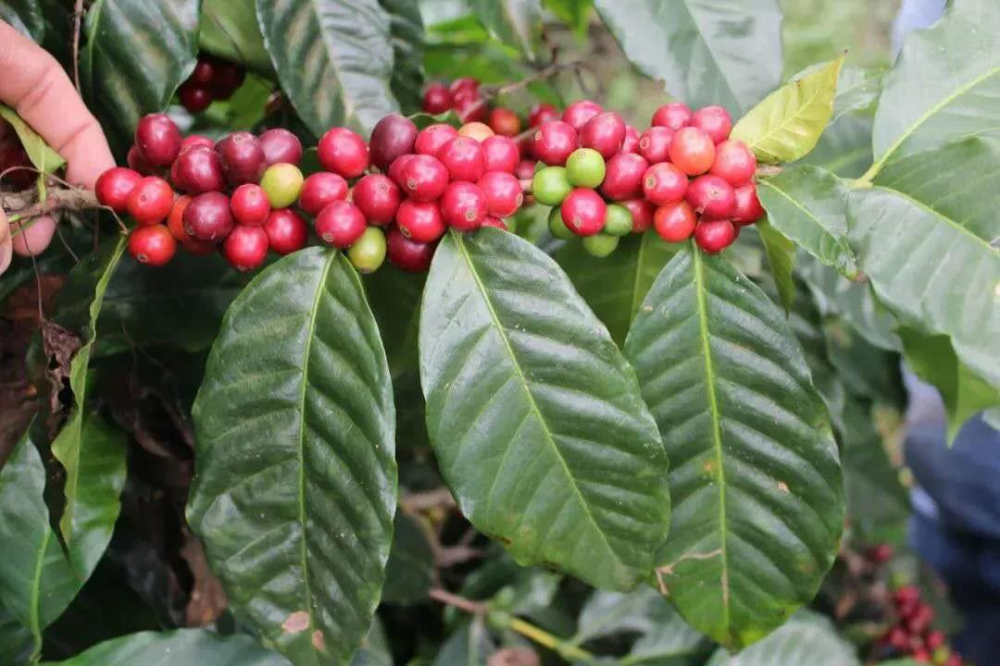
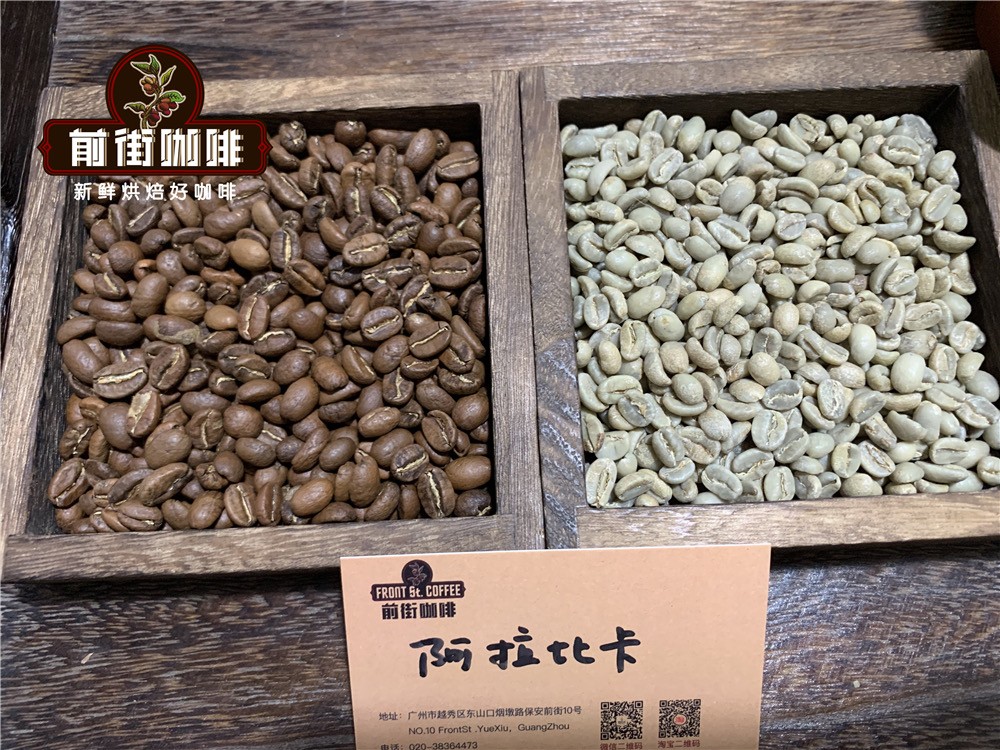
Among mainstream coffee varieties, Arabica is considered the representative of specialty coffee, originating from the Ethiopian highlands. Well-known cultivars such as Typica, Bourbon, and Geisha all branched off from it. These coffees are typically grown at elevations of 800 to 2,000 meters where the cool climate and significant day-night temperature variations help accumulate flavor compounds. Arabica is known for its diverse aromas, bright acidity, and delicate mouthfeel, and has been a leading player in the third wave of specialty coffee, accounting for about 60% to 70% of global coffee production.
In contrast, Robusta (also referred to as Canephora in some literature) stands out for its robust adaptability and high yield. Originating from the Congo Basin in Africa, it can thrive in low-altitude environments (0 to 800 meters), shows strong resistance to pests and diseases, and contains high caffeine content. It is commonly used in instant coffee or ready-to-drink formulations. Robusta makes up about 20% to 30% of global coffee production, with major producing countries including Indonesia, Vietnam, and Brazil.
Liberica belongs to the “large-bean” category among the three major commercial coffee varieties. It is native to Liberia in West Africa and thrives in low-altitude areas (around 200 meters). The ideal growth temperature ranges between 19 to 27°C. This variety can grow up to 10 meters tall with broad leaves, and its fruit size is noticeably larger than that of Arabica and Robusta, hence the name. Liberica has a wide environmental adaptability range—it can tolerate high and low temperatures, drought, and waterlogging—and can also be propagated through grafting, making it overall a hardy and resilient plant.
The Philippines became the primary producer of Liberica largely due to the coffee leaf rust disaster in the late 19th century. At that time, Arabica plants across Southeast Asia were heavily infected, leading to a sharp drop in yield. The Philippine government then introduced Liberica as an alternative crop, initially planting it in Batangas and Cavite provinces. Thanks to the local hot, rainy, and low-altitude climate conditions, Liberica quickly adapted and grew stably, and it remains one of the country’s representative coffee varieties to this day. Besides the Philippines, Malaysia, Indonesia, and Vietnam have also successively started cultivating Liberica, forming a certain scale of production within the Southeast Asian region.
However, the development of Liberica has always been constrained by its flavor performance. Generally, its flavor profile is dominated by strong nutty notes, deep dark chocolate aromas, and intense smokiness. Some drinkers even find its smoky character too prominent, resembling the smell of burning tobacco, hence it is playfully dubbed “liquid tobacco.” In addition, Liberica beans have thicker skins, making processing more cumbersome, and the tree height complicates harvesting, resulting in low per-unit yield. All these factors limit its popularity in the commercial market, with its share currently standing at just around 5% of the total global economically cultivated coffee.
Interestingly, in the Philippines, Liberica is locally known as “Kape Barako,” which literally means “macho coffee.” It was historically regarded as a symbol of masculinity and often consumed as a breakfast coffee. In Malaysia, Liberica is also used to make the region’s signature white coffee, showcasing application methods distinct from other producing areas.
It’s worth mentioning that according to the 1999 volume 71(2) of Flora of China, Liberica was once cultivated in small quantities in Guangdong, Hainan, and Yunnan provinces of China, but further development did not reach a significant scale. Additionally, in terms of caffeine content, Liberica contains only 1.23 grams per 100 grams of beans—lower than Robusta’s 2.26 grams and Arabica’s 1.61 grams—which may also be one of the reasons why its flavor lacks pronounced stimulation.
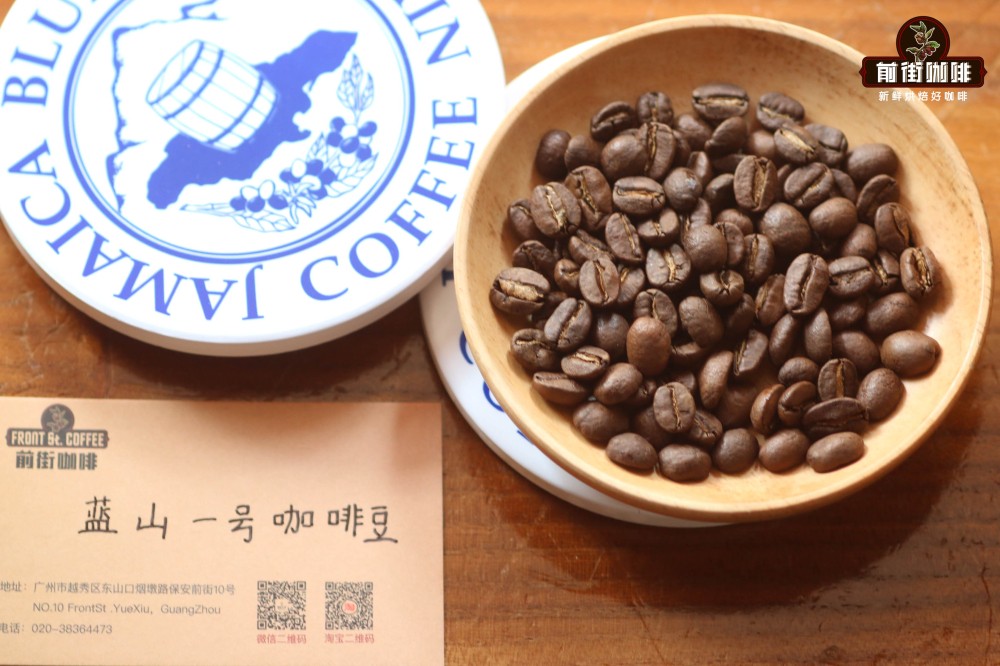
For coffee enthusiasts looking to try brewing Liberica, it’s especially important to pay attention to the beans’ freshness. Generally, the first five days after roasting are the golden window for optimal flavor expression. It’s recommended to choose freshly roasted beans and brew them within 4 to 7 days post-roast to achieve the best flavor release. If you opt to grind the beans, be aware that once ground, oxidation accelerates—so it’s best to grind right before brewing to avoid prolonged storage leading to aroma loss. To more fully experience Liberica’s distinctive flavor, it’s suggested to use a medium-to-dark roast and brewing methods like the French press or AeroPress, which can better highlight its rich nutty and smoky layers.
The above content is compiled by CoffeeHunters, a coffee news website.


