








Introduction:Want to make a beautifully layered, flavor-balanced iced latte at home, but always end up with bitterness, weakness, or a muddled flavor? This article covers everything from selecting coffee beans and key parameters for espresso extraction, to the ratio of milk to ice—fully analyzing the logic behind crafting a high-quality iced latte. We also address the three most common issues: “too bitter,” “too weak,” and “both bitter and weak,” offering specific adjustments. Whether you’re a coffee beginner or a daily home-brewing enthusiast, you’ll quickly master the essentials.
The iced latte is one of the most popular coffee choices in summer. But brewing an iced latte that not only looks eye-catching but also tastes harmonious and smooth involves many details and techniques. This article will take you step-by-step through selecting coffee beans, setting espresso extraction parameters, and finding the golden ratio of milk to coffee, to help you grasp the core methods for making high-quality iced lattes. At the same time, we’ll analyze the causes behind the most common issues—lattes that are “too bitter,” “too weak,” or even “both bitter and weak”—and provide practical adjustment suggestions so you can consistently make pro-level iced lattes at home.
 Many people’s first impression of a latte comes from its delicate latte art and the creamy mouthfeel resulting from the blend of crema and milk. The first sip often brings a mix of mild bitterness and sweetness from the coffee oils, and by the second sip, the initial strong bitterness gradually transforms into a rich, full aroma that perfectly balances with the natural sweetness of the milk, with an aftertaste that even hints at the velvety feel of cream and chocolate.
As the saying goes: “There are a thousand Hamlets in a thousand readers’ eyes.” Everyone has a different definition of what makes a “good latte.” Some prefer a generous portion and great value, others are drawn to a rich and balanced taste, and some are simply captivated by the artistry of latte art. Yet, when a latte turns out overly bitter, as weak as plain water, or both, that disappointing experience becomes a shared pain point. So where does the problem lie?
To make an ideal latte, the first priority is choosing the right coffee beans. It’s generally recommended to use medium-dark roasted blends or SOEs (single-origin espressos) with unique characteristics. These beans typically have prominent caramel, chocolate, or nutty aromas, with solid flavor layers that contrast well with the sweetness of milk and offer a long-lasting aftertaste. If you’re aiming for stable performance and good value, medium-dark roasted blends are your best bet—they usually have rich oils and emit a dense aroma reminiscent of butter and roasted chestnuts. If you prefer the unique character of single-origin beans, try SOEs with distinct caramel and chocolate tones, which create a sharper contrast and more complex layers when paired with fresh milk.
 If you want a crisper-tasting latte, it’s advisable to choose medium or medium-light roasted beans. These beans often bring out distinct fruity and fresh notes, resulting in a uniquely different flavor profile when mixed with milk. For example, certain bean varieties roasted specifically for espresso extraction can produce a more fruity concentrated base, adding more variety to your latte flavors.
Take a common medium-dark roasted blend as an example. It’s recommended to use the standard espresso extraction formula: a 1:2 coffee-to-water ratio, meaning about 2 grams of coffee liquid extracted per 1 gram of coffee grounds. The extraction time should be kept between 25–35 seconds. For instance, if using a double shot basket, you’d typically weigh out 20 grams of coffee grounds, aiming to extract around 40 grams of espresso within 27–33 seconds, while ensuring there are no channeling effects, splashing streams, or unstable flow rates throughout the process.
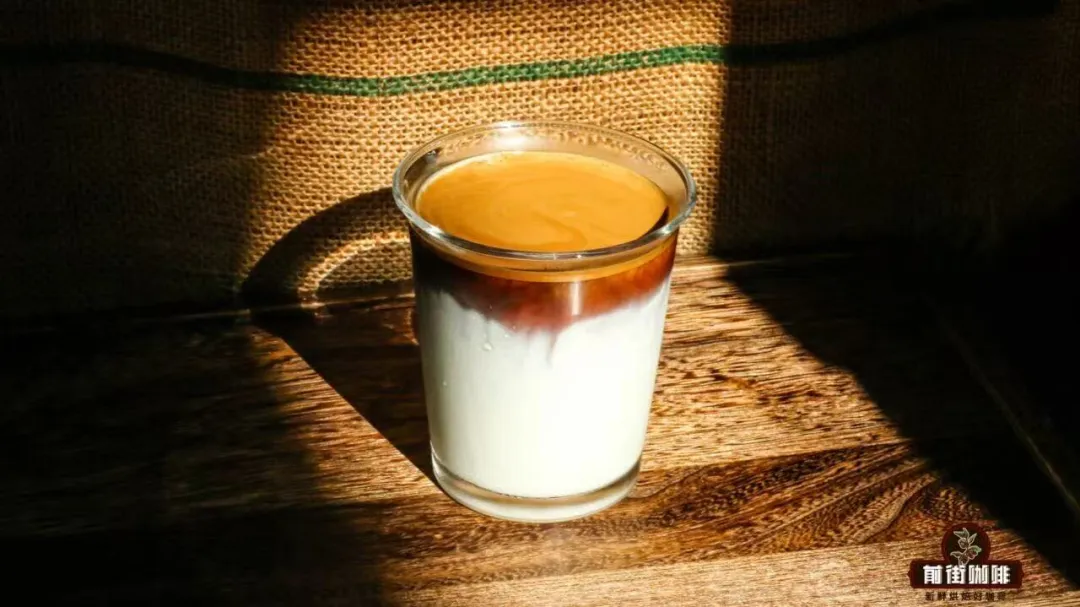
When making a hot latte, it’s recommended to use 220 milliliters of fresh milk, steamed to 55–65°C, with a fine microfoam thickness of about 0.3–0.5 centimeters, then evenly mixed with the espresso, poured into a cup and optionally decorated with latte art. For an iced latte, it’s suggested to start by placing 3 ice cubes at the bottom of the cup. The coffee-to-milk ratio should be controlled at 1:5—first pour about 200 grams of fresh milk, then slowly drizzle 40 grams of espresso on top. This method preserves a clear layered visual effect while the ice cubes slow down the temperature rise, helping maintain flavor stability.
 As long as you get the coffee bean selection, espresso extraction parameters, and milk ratio right, making a delicious iced latte isn’t actually difficult. On the other hand, if the flavor isn’t good, the issue usually lies in these key steps. Next, we’ll delve into several common problems and their solutions.
Why is my latte too bitter?
Without added sugar, a latte should be a relatively balanced coffee beverage. When it becomes noticeably bitter, the issue usually stems from the espresso itself—either the coffee beans are roasted too dark or the extraction parameters are off. Most commercial espresso blends use medium-dark to dark roasted beans to retain rich caramel and nutty aromas while avoiding excessive bitterness. These beans typically have thick oils and mild acidity, delivering a harmonious taste when mixed with milk.
However, the main reason lattes turn out too bitter often lies in the extraction process. Common issues include slow flow rate (extraction time exceeding 35 seconds), channeling, or splashing streams causing over-extraction. One user reported that although the coffee beans were still within their prime and the parameters hadn’t changed, the coffee suddenly became bitter and lacked aroma. Upon inspection, a hole was found in the coffee puck, likely caused by clumped coffee grounds leading to channeling and localized over-extraction. Solutions include adjusting to a coarser grind size or gently breaking up clumped coffee grounds beforehand to improve flow rate consistency.
Why is my latte too watery or weak, and how can I adjust it?
The richness of a latte mainly depends on the two key elements: milk and espresso, with milk making up the larger proportion. Therefore, using whole fresh milk is usually key. Whole milk has higher milk fat content, producing denser foam when steamed, delivering a more rounded mouthfeel. Compared to low-fat or skim milk, it better highlights the richness of the coffee.
Additionally, if you’re using a single-origin bean with a fruity flavor profile (such as certain SOEs) and under-extract it, the latte can easily end up tasting thin, like flavored hot milk. In this case, it’s recommended to adjust the extraction time or grind size to ensure the espresso has enough concentration to support the overall flavor, preventing it from becoming bland and weak after being diluted by a large amount of milk.
Why is my latte both bitter and weak?
This seemingly contradictory flavor often occurs when using dark roasted beans with a relatively high extraction ratio. Dark roasted beans naturally carry heavy roastiness and woody notes. If the extraction time is too long or the liquid yield is too high (for example, 18 grams of coffee grounds yielding 40 grams of coffee liquid, a 1:2.22 ratio), it not only extracts excessive bitterness and off-flavors, but the higher water content also reduces overall concentration, resulting in a drink that tastes both bitter and watery. It’s recommended to moderately reduce the liquid yield, such as adjusting to 35 grams, to increase the espresso concentration while avoiding over-extracted flavors.
The above content is compiled by CoffeeHunters, a coffee news website.


