







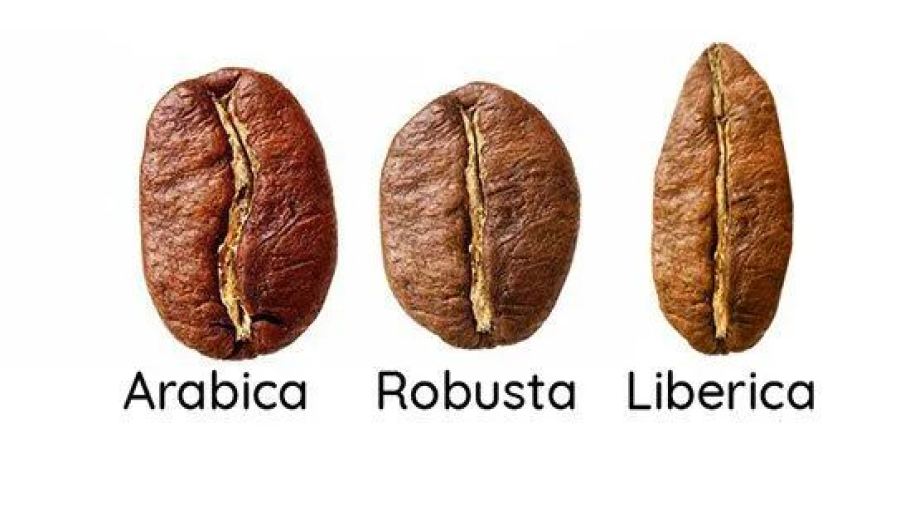
Introduction:Liberica coffee beans are one of the world’s three major commercial coffee species. Although they are as well-known as Arabica and Robusta, they have long accounted for only about 2% of global coffee consumption. This type of coffee is renowned for its large fruit size and unique flavor profile, but it has been difficult to promote on a large scale due to challenges in cultivation and harvesting. This article provides an in-depth analysis of the origin, characteristics, and main producing regions of Liberica beans, along with practical information to help you fully understand the charm and challenges of this "large-fruit" coffee.
Liberica coffee beans belong to one of the world’s three mainstream commercial coffee species, alongside the well-known Arabica and Robusta. However, compared to the widespread cultivation and consumption of the other two, Liberica accounts for only about 2% of the global market, making it quite a niche variety. The trees of this coffee species are generally tall, reaching heights of 6 to 20 meters, and the coffee cherries they produce are noticeably larger than those of the other two varieties, hence the nickname "large-fruit variety."
In terms of flavor profile, Liberica often carries strong woody and smoky notes, accompanied by certain earthy and nutty undertones, giving an overall impression that is more subdued, bold, and rugged. Its flavor characteristics differ greatly from the bright acidity and floral-fruity notes preferred by most people. As a result, although it has its own unique appeal, it is not easily accepted by the general public. Additionally, it also has the lowest caffeine content among the three major coffee varieties.At just 1.23 grams per 100 grams,it is lower than Robusta’s 2.26 grams and Arabica’s 1.61 grams.
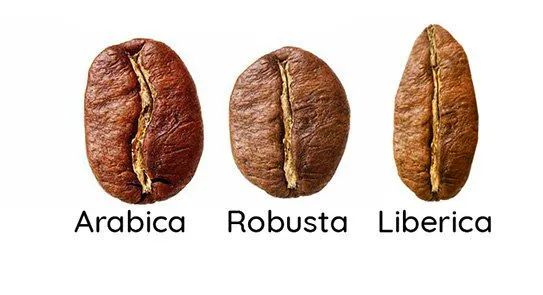
In commercial classification, Liberica, Arabica, and Canephora (i.e., Robusta) are considered the three main coffee species. However, in terms of global consumption, Liberica lags far behind, with Arabica accounting for about 75%, Robusta about 20%, and Liberica less than 2%. This market share not only reflects its flavor acceptance but is also directly related to its cultivation conditions and harvesting difficulties.
The Liberica coffee tree is native to the west coast of Africa, specifically Liberia, and it wasn’t until the 19th century that humans began to cultivate it artificially. Due to its tall tree structure and the fact that the coffee cherries grow high up, harvesting is extremely inconvenient—this is one of the main reasons why it has long been unable to develop on a large scale. Moreover, Liberica has special environmental requirements for growth and is less resistant to pests and diseases compared to other varieties, making stable supply even more challenging in the early days.
In the 1890s, a severe outbreak of coffee leaf rust disease occurred globally, heavily impacting Arabica coffee production in Southeast Asia and causing a sharp decline in yield. To stabilize coffee supplies, the Philippine government began actively seeking alternative varieties. Thanks to its certain disease resistance, Liberica became the top choice. The variety quickly took root in the provinces of Batangas and Cavite in the Philippines and gradually developed into an important cash crop in the region.
The climate conditions in the Philippines—low altitude, hot and humid with abundant rainfall—are very suitable for Liberica’s growth, which is why the country remains the world’s largest producer of Liberica to this day. In addition to the Philippines, other Southeast Asian countries such as Malaysia, Indonesia, and Vietnam have also introduced the variety over time, enabling Liberica to continue expanding in the Southeast Asian region and become one of the area’s distinctive coffee varieties.
In terms of flavor, Liberica is often described as having a "liquid tobacco" texture, with strong smoky notes accompanied by earthy and woody undertones, which is distinctly different from the fresh and pleasant profile typically associated with Arabica. Some enthusiasts find its taste too intense or even rough, but coffee aficionados appreciate its unique depth and complexity. Notably, Liberica’saftertaste performance is quite outstanding,with a rich and long-lasting finish that leaves a deep impression.
In the Philippines, Liberica coffee is known locally as "Kape Barako," which translates to "macho coffee," reflecting its bold and strong flavor. This coffee remains a traditional breakfast beverage for many Filipino elders to this day. Additionally, in Malaysia, Liberica is widely used in the production of the region’s distinctive white coffee, showcasing its versatility in different applications.
Although Liberica is relatively rare in the specialty coffee market, it can still be found in some instant coffee products as one of the blending ingredients. For coffee enthusiasts looking to explore unique flavors, Liberica offers an option that is distinctly different from the norm.
If you’re curious about this large-fruit coffee variety with its intense smoky and woody aromas, consider trying moderately roasted Liberica beans from the core producing regions of the Philippines. Such products usually retain its signature smoky and dark chocolate flavors, making them ideal for enthusiasts interested in exploring atypical coffee profiles.
The above content is compiled by CoffeeHunters, a coffee news website.


