







Introduction:The new-style tea brand Nayuki Tea has been fined 50,000 yuan by Shanghai regulators for selling expired cake — and this is not the first such incident. Since its listing in June of this year, the brand has frequently been in the headlines for food safety issues such as cockroach infestations, spoiled fruit, and microbial contamination, with its stock price plunging nearly 50% from its peak of 19.8 Hong Kong dollars. This article delves into the details of the incident, the distribution process of the affected products, and the impact of these ongoing negative reports on the brand’s image and market confidence.
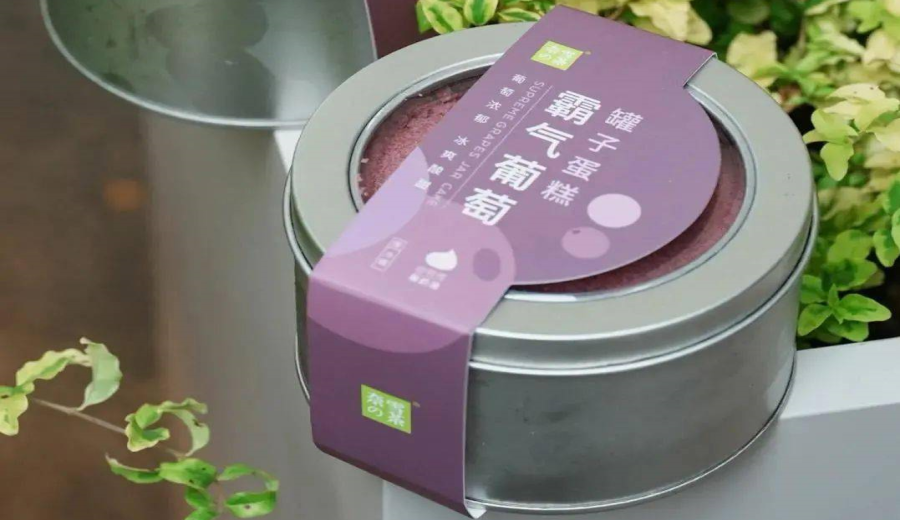
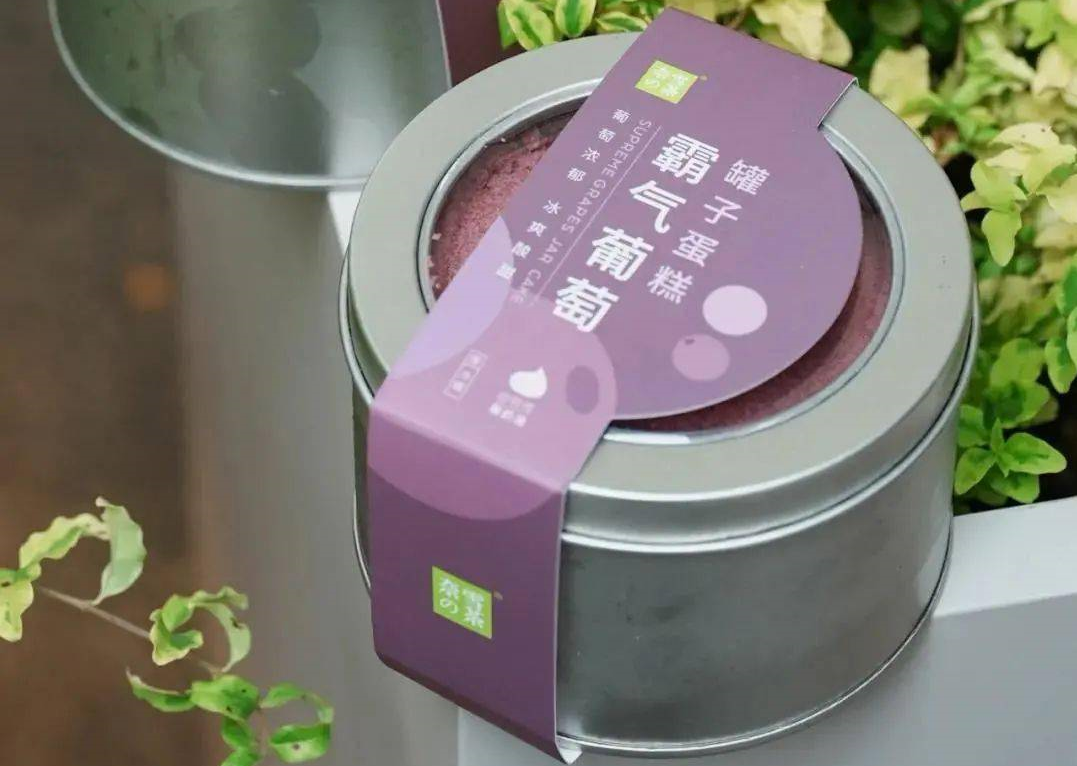
The new-style tea brand "Nayuki Tea" has once again made headlines for food safety concerns. The Shanghai Jing'an District Market Supervision Administration issued a 50,000 yuan fine to its Nanjing West Road branch in Shanghai Meilongzhen Plaza for selling a grape-flavored cake that had exceeded its expiration date to customers. This incident is not an isolated one; since its successful listing on the Hong Kong Stock Exchange in June and becoming the "first IPO of a new-style tea brand," multiple Nayuki outlets have been exposed for issues such as cockroach breeding, spoiled fruit, and excessive microbial counts, drawing significant public attention.
According to official data from the Shanghai Municipal Administration for Market Regulation, the involved outlet — the Nanjing West Road Branch of Shanghai Nayuki Catering Management Co., Ltd. — was penalized with a 50,000 yuan fine by the Jing'an District Market Supervision Administration for the violation of "producing or operating food or food additives with falsely labeled production or expiration dates, or food or food additives that have exceeded their expiration dates." The incident came to light when a customer ordered a grape-flavored cake from the store via the WeChat mini program on the evening of September 4. The product was labeled with an expiration date of 23:59 on September 3, 2021, but was actually purchased on September 4, clearly past its marked validity period.
Further investigation revealed the entire distribution process of the pre-packaged cake. It was originally delivered to the involved outlet by Nayuki’s parent company, Shenzhen Pindao Catering Management Co., Ltd., in frozen form on August 27, 2021. In its frozen state, the cake was labeled with a production date of July 14, 2021, and an expiration date of October 12, 2021. At 7:11 AM on September 2, 2021, store staff began the thawing process, which lasted 12 hours and was completed by 7:11 PM that same day, marking the official start of the labeled "on-sale" time. According to internal regulations, after thawing, the cake’s expiration date was reset to 24:00 the following day, which was also the final deadline indicated on the label.
Regarding the sale of food past its expiration date, the Jing'an District Market Supervision Administration of Shanghai cited Article 124, Paragraph 1, Item (5) of the Food Safety Law of the People's Republic of China. In addition to fining the involved outlet 50,000 yuan, the authority also confiscated its illegal earnings of 9.26 yuan. In fact, this fine is just the tip of the iceberg when it comes to Nayuki’s recent string of food safety issues. As early as early August this year, reporters from Xinhua News Agency conducted an undercover investigation and found that two Nayuki stores — one at Beijing’s Xidan Joy City and another at Chang’an Mall — had serious problems including cockroaches crawling around, spoiled and rotten fruit, unclean cleaning cloths, and inaccurate labeling information. Later, on August 23, the State Administration for Market Regulation publicly criticized two Nayuki outlets and imposed fines for violations in their production processes.
In October, Nayuki Tea’s Shanghai Dongchangzhi Road store was fined 5,000 yuan and had 25 yuan in illegal earnings confiscated by the Hongkou District Market Supervision Administration of Shanghai after its "Golden Mountain Treasure Tea" failed a regulatory inspection for exceeding total bacterial colony count standards. Since its IPO in late June in Hong Kong, Nayuki Tea has been hit by a continuous stream of negative news. Its Hong Kong stock price has plummeted from the IPO price of 19.80 Hong Kong dollars per share to just 9 Hong Kong dollars per share as of the close on November 3 — nearly halved — with the brand’s reputation facing a severe test.
Once known for its mission to promote Chinese tea culture, Nayuki is now frequently questioned due to recurring food safety issues. Although the fines imposed each time may seem negligible compared to the brand’s overall revenue, the frequent negative publicity has gradually eroded consumer trust. On social media platforms like Weibo, many netizens have bluntly stated that "the cost of breaking the law is too low," showing clear resistance toward the brand. Food safety issues have snowballed, and once consumer trust collapses, it will be very difficult for the brand to reclaim its market position.
Nayuki’s founder, Peng Xin, once emphasized in an interview with "One Question" that the tea beverage market has global development potential, because tea and coffee are the world’s two major beverages — tea is part of daily life for the Chinese, while coffee is for the Western world. She further pointed out that Nayuki hopes to be an innovative driver in bringing Chinese tea to the world. However, as the Chinese coffee market rapidly expands and both tea and coffee become integrated into people’s daily lives, if the brand continues to be plagued by negative news, it may not only be forgotten by consumers but also struggle to realize its grand vision of becoming a global promoter of tea beverages.
The above content is compiled by CoffeeHunters, a coffee news website.


