







Introduction:Honey-scented black tea is renowned for its distinctive honey and muscat grape aromas, yet it has long been in short supply. This article delves into the origin of honey-scented black tea in Miaoli, the key factor behind its unique flavor—the biting of small green leafhoppers—as well as the differences in processing stability between the Taiwan Tea No. 18 (Red Jade Black Tea) and Qingxin Damao varieties. Learn why honey-scented black tea is prone to issues such as poor fixation or over-fermentation, and master the key points for selecting high-quality teas.
With its rich honey-like aroma and muscat grape-like fruitiness, honey-scented black tea enjoys immense global popularity among tea enthusiasts, yet it has faced years of supply shortages. The charm of this tea lies in its naturally emitted sweet fragrance, not achieved through added fragrances or special processing methods.
Honey-scented black tea is primarily produced in Miaoli, Taiwan, which is also an important growing region for the renowned Oriental Beauty tea. The tea mainly uses the Qingxin Damao variety, which belongs to the oolong tea category, and is significantly different from the commonly used Taiwan Tea No. 18 (also known as Red Jade Black Tea) for black tea production.
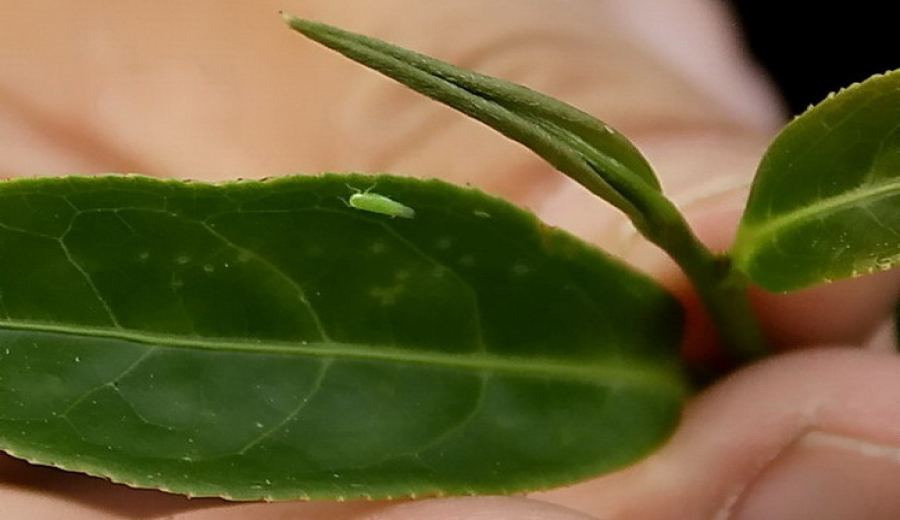
The unique honey and muscat grape-like notes of honey-scented black tea stem from the tea leaves being bitten by small green leafhoppers during growth. When the tea leaves are sucked by these insects, the plant activates its self-defense mechanism, releasing specific volatile terpene compounds. These chemical substances are the main source of the honey aroma, a similar mechanism is also observed in Oriental Beauty tea.
Interestingly, this honey aroma does not come from any specific tea-making technique, but rather from the biochemical reactions triggered in the tea leaves due to pest stimulation. Therefore, to produce honey-scented black tea with this distinctive fragrance, leaves that have been bitten by small green leafhoppers must be used, making such raw materials relatively rare and difficult to control.
In terms of tea-making stability, Taiwan Tea No. 18 (Red Jade Black Tea) performs relatively well, which is closely related to its varietal characteristics. Red Jade Black Tea is derived from the Assam large-leaf variety. Its leaves are large, stems are thick, and moisture content is high. Even when fixed at relatively high temperatures, it is less likely to become overly roasted or scorched, allowing tea makers to more precisely control the timing and temperature of fermentation termination.
In contrast, honey-scented black tea is mostly made from oolong varieties such as Qingxin Damao or Qingxin Wulong, whose leaves are thinner, stems are finer, and moisture content is relatively lower. If the same fixation temperature settings as those for Red Jade Black Tea are used, it can easily cause the leaves to scorch, resulting in undesirable roasted aromas that negatively affect the overall flavor profile.
To avoid scorching, some tea makers deliberately lower the fixation temperature. However, such adjustments may lead to ineffective termination of fermentation, known as poor fixation. Once enzymes are not fully suppressed, the tea leaves will continue fermenting, eventually leading to over-fermentation and producing unpleasant odors reminiscent of rags or wet cardboard, severely compromising the drinking experience.
For this reason, honey-scented black tea on the market often suffers from inconsistent production quality, including problems such as excessively high or low fixation temperatures, and improper fermentation control. When selecting honey-scented black tea, consumers are advised to pay attention to whether the liquor is clear, whether the aroma is natural and pure, and to avoid products with obvious burnt or off-odors.
In summary, the unique flavor of honey-scented black tea originates from the terpene compounds produced by tea leaves after being bitten by small green leafhoppers, while the challenges in its production mainly stem from the physiological characteristics of the oolong varieties used. Understanding these key factors helps tea enthusiasts better appreciate and identify high-quality honey-scented black tea during tasting and selection.
The above content is compiled by CoffeeHunters, a coffee news website.


