








Introduction:Beginners to specialty coffee are often overwhelmed by the rich and varied flavors of coffee beans and don’t know where to start. In fact, choosing your first pour over coffee bean isn’t difficult at all. Just start with a general focus on origin—understand the typical flavor characteristics of the three major coffee regions: Africa, Central and South America, and Asia—and then gradually dive deeper based on your personal taste preferences. This article will help you easily understand the unique features of each region and offer practical purchasing advice.
For those just starting out in specialty coffee, walking into a café or a coffee bean specialty shop can be intimidating due to the overwhelming array of choices. Everyone’s perception of flavor varies greatly—some are drawn exclusively to floral notes, while others shy away from them. Even with the Specialty Coffee Association’s flavor wheel as a reference, many enthusiasts still find the descriptions of fruits, flowers, and other flavor tones unfamiliar, making it hard to connect them with actual taste experiences.

In truth, it’s nearly impossible to accurately recommend coffee beans suited to everyone, as flavor perception is highly subjective. But there is a relatively practical entry point: starting with the characteristics of the coffee bean’s origin. Global specialty coffee can generally be divided into three major regions: Africa, Central and South America (Latin America), and Asia. Each region, due to differences in geography, altitude, climate, and processing methods, produces coffee with distinctly unique personalities.
First, let’s take a look at the African region. Ethiopia is representative here, and coffee beans from this area typically have intense floral and fruity notes, with a juice-like refreshing mouthfeel and pronounced sweetness—a great starting point that hooks many beginners on their first try.However, even within the same broad region, flavors can vary significantly when broken down into smaller producing areas.For example, in Ethiopia’s Yirgacheffe region, the coffee beans produced by the Gedeb Cooperative exhibit particularly prominent jasmine floral notes and bright lemon-citrus acidity. The flavors are fresh and lively, making them well-suited for beginners trying African beans for the first time.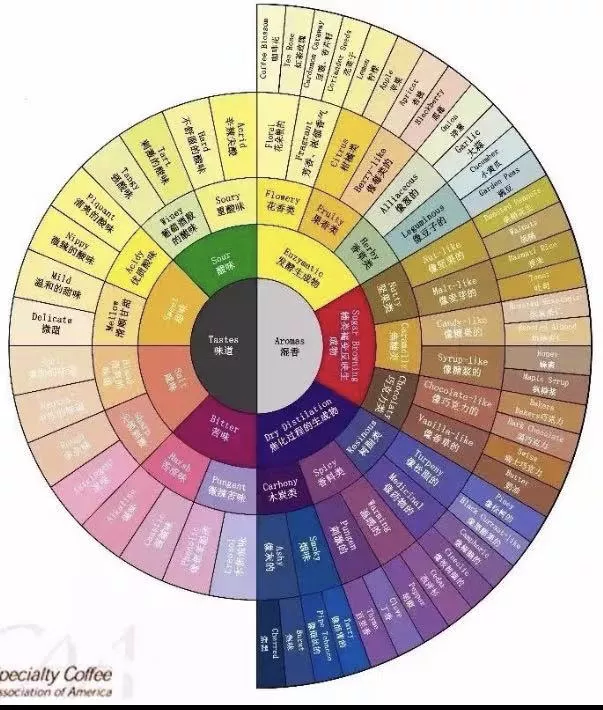
Next is the Asian region. Coffee beans from this area usually feature a richer, fuller mouthfeel, along with herbal, woody, or even earthy tones. The overall flavor profile tends to be deep and bold. Take Indonesia’s Golden Mandheling, for instance. When roasted to a medium-dark level, its acidity is noticeably reduced, allowing the caramelized aromas to stand out more prominently. This makes it ideal for beginners who enjoy a rich and full-bodied flavor. If you prefer the chocolate and spice notes brought out by darker roasts, the Asian region is worth exploring.
As for the Latin American region, which includes well-known coffee-producing countries such as Colombia and Brazil, beans from this area are known for their balanced flavor profiles. The acidity, sweetness, and bitterness are well harmonized, often accompanied by mellow aromas like cream, nuts, and chocolate. For example, coffee from Colombia’s Huila region or beans from Brazil’s Cerrado region are not only great for pour over but also well-suited for preparation with a moka pot or espresso machine. They’re excellent everyday drinking options or good choices for beginners practicing brewing techniques.
For those just beginning to explore specialty coffee, it’s recommended to start with a broad classification by origin region, avoiding getting bogged down in the details of individual producing areas too early. You might begin by selecting one coffee bean each from Africa, Central and South America, and Asia to personally experience the flavor profiles of different regions, helping you identify the one you like best. Once you’ve determined your preferred regional type, you can further explore specific smaller producing areas within that region. For instance, if you enjoy the fruity and floral notes of African beans, you could delve into trying coffees from Yemen or Kenya, gradually expanding your coffee flavor map.
Additionally, when selecting coffee beans, don’t overlook the pairing of roast level and brewing method. Light roast beans tend to highlight acidity and fruity-floral notes, making them ideal for a detailed pour over experience. Medium-dark or dark roasts enhance sweetness and a fuller body, suiting those who prefer bold flavors. Mastering these basic guidelines will allow you to navigate the world of specialty coffee with greater confidence and enjoyment.
The above content is compiled by CoffeeHunters, a coffee news website.


