







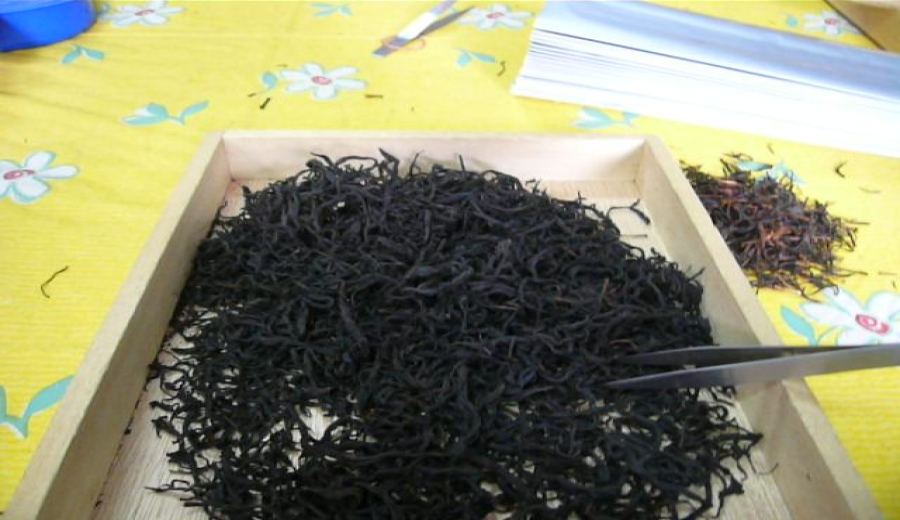
Introduction:Taiwan Tea No. 18, also known as Ruby Red Tea, is the most representative Taiwanese black tea from the Sun Moon Lake region. It is famed for its unique honey aroma and a cooling menthol-like aftertaste in the throat, and is even hailed by many tea enthusiasts as "the best black tea in Taiwan." But do you know how such distinctive flavors are formed? This article will delve into the sources of its aroma, suitable brewing methods, and guide you from beginner to advanced levels in mastering the key techniques and perspectives for appreciating Ruby Red Tea.
Among the many types of Taiwanese teas, Ruby Red Tea (Taiwan Tea No. 18) stands out as particularly distinctive. Not only does it come from the renowned Sun Moon Lake tea-growing area, but it also offers a layered flavor profile — from rich honey-like aromas to a subtle cool menthol sensation that emerges upon swallowing. This unique combination leaves a deep impression on many people the first time they try it.
This tea, hailed as "the best black tea in Taiwan," was actually developed during the Japanese colonial period through the hybridization of the Indian Assam variety and Taiwan Mountain Tea. It not only adapts well to Taiwan’s high-altitude climate but also exhibits uniquely regional characteristics. This “hybrid” background is one of the key factors that give Ruby Red Tea its distinctive flavor.
Many people who are new to Taiwanese black tea often start with oolong varieties such as Dong Ding or Oriental Beauty, overlooking the depth and complexity that black tea can offer. But once they try Ruby Red Tea, many are pleasantly surprised to discover that Taiwanese black tea can be so layered and unforgettable. Especially when served hot, the honey aroma blends with subtle herbal notes, resulting in a bright orange-red liquor that is smooth yet full-bodied on the palate.
So where does the honey aroma of Ruby Red Tea come from? In fact, it is closely related to its varietal genetics, growing environment, and processing methods. Taiwan Tea No. 18 is grown in high-mountain tea regions at elevations of about 600 to 1,200 meters, where large diurnal temperature variations help accumulate aromatic compounds in the leaves. During production, traditional black tea techniques — including withering, rolling, fermentation, and drying — are used, with fermentation level being a crucial factor influencing the strength of the honey note. Under-fermented tea tends to be greener in flavor and more astringent, while over-fermentation can cause the tea to lose its freshness, with the honey aroma becoming less pronounced. Therefore, experienced tea makers carefully control the fermentation time to achieve an ideal balance between the honey note and a mildly spicy finish.
Additionally, the "cooling menthol sensation" of Ruby Red Tea is another standout feature. This throat feel is not due to added flavorings, but rather arises from certain volatile compounds naturally present in the leaves, combined with proper fermentation and roasting, creating a refreshing aftertaste in the mouth and throat. This sensation is especially noticeable when consumed in hot weather, which is one of the reasons the tea is so beloved.
For those who are just beginning to explore the world of black tea, it is recommended to start with hot brewing using water at 90°C to 95°C. The tea-to-water ratio is approximately 1:50, with an infusion time of around 3 to 5 minutes. To better appreciate the nuanced details, you can switch to brewing with a gaiwan or Yixing clay teapot and observe how the tea liquor changes over time. Cold brewing is also a great option, as it highlights the fresh honey aroma of Ruby Red Tea while reducing some of the astringency from the tea tannins.
It’s worth mentioning that Ruby Red Tea is also very suitable for those who want to experience the meticulous brewing details akin to "pour over coffee." By slightly adjusting the water temperature, grind size (if ground into a tea powder), and pouring technique, you can bring out completely different characteristics in the tea liquor. From rich and full-bodied to fresh and invigorating — the choice is yours.
In summary, Ruby Red Tea is not only one of the representatives of Taiwanese tea, but also a fine beverage that allows drinkers to progressively uncover its layers and variations, from first taste to careful savoring. Whether you are new to black tea or already have some experience, Ruby Red Tea offers a unique tasting journey and is an essential part of understanding Taiwanese tea culture.
The above content is compiled by CoffeeHunters, a coffee news website.


