







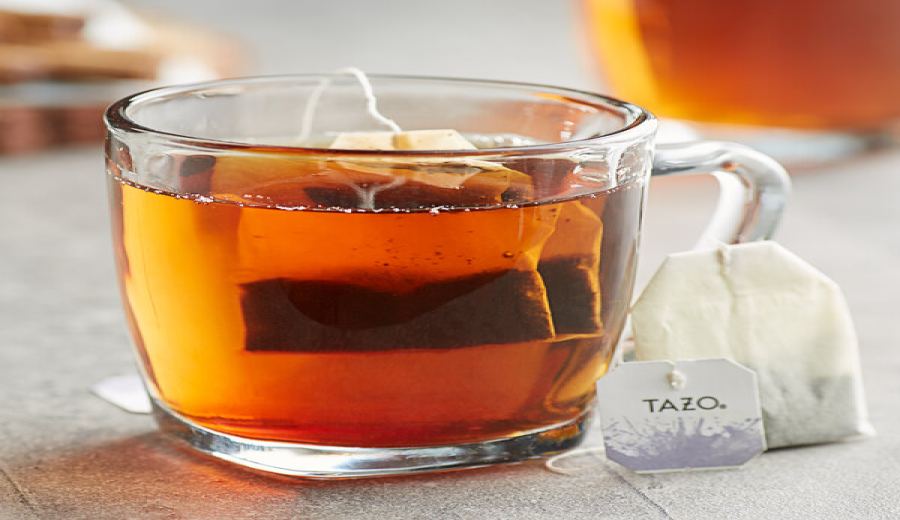
Introduction:Earl Grey tea is renowned for its bergamot aroma and is one of the classic examples of flavored tea. This article delves into the differences between two major blends—Earl Grey and Lady Grey—helping you understand the unique citrus character that bergamot brings to the tea liquor. It also includes brewing suggestions and common misconceptions. From flavor profiles to practical drinking tips, it will help you fully grasp the charm of this world-famous beverage.
The reason Earl Grey is considered a classic lies in its distinctive bergamot aroma. This small citrus fruit from the Mediterranean region is cold-pressed to extract its essential oil, which is then blended with black tea to create a well-balanced flavor with sweet citrus notes and a hint of spice. As one of the most popular flavored black teas globally, it is not only enjoyable on its own but can also be paired with milk or used as a base to create diverse drinking styles.
When it comes to the commonly seen “Earl Grey” and “Lady Grey” teas in the market, both have bergamot as their soul, but their recipes differ slightly. Earl Grey tea dates back to the 19th century and is said to be associated with Charles Grey, the then Prime Minister of the United Kingdom. Its classic combination consists of black tea and bergamot essential oil, with nearly all major tea brands around the world offering related products. In contrast, Lady Grey tea was introduced in the 1990s, with the blend name registered by Twinings. Its unique feature is the addition of lemon and orange peel alongside bergamot, resulting in a softer overall flavor and a richer citrus complexity.
To better understand the actual flavor of this flavored black tea, we must start with bergamot itself. This fruit, which resembles a cross between a lemon and a lime, releases an essential oil through cold pressing that carries a fresh citrus note with a slight spiciness. When paired with black tea, it imparts a bright citrus sweetness to the liquor while not overpowering the tea’s inherent robust base. This blending method showcases captivating layers whether brewed hot or served cold.
In terms of actual tasting experience, Earl Grey tea features a distinct citrus sweetness. Upon sipping, you can perceive the unique freshness of bergamot, with a gentle spicy undertone lingering in the aftertaste. It works wonderfully whether or not milk is added. Notably, even when sugar or milk is added, the aroma of bergamot remains distinctly recognizable—a key charm of this classic flavored tea.
Lady Grey tea, on the other hand, incorporates additional elements such as lemon and orange peel, making the overall flavor more diverse. The citrus character is less singular and instead presents a softer and more nuanced fruity aroma. This tea also uses black tea as its base, but with the enhancement of the two types of citrus peels, it is often described as a “warmer and more approachable” version of the Earl Grey flavor.
For brewing, it is recommended to use water heated to approximately 90–95°C. The tea-to-water ratio can be adjusted according to personal preference, generally around 1:50. The steeping time is advised to be 3–5 minutes; steeping too long may result in an overly strong liquor that can diminish the freshness of the bergamot. For cold brewing, it is recommended to extend the steeping time to 8–12 hours and enjoy it chilled in the refrigerator, which highlights a crisper citrus flavor.
Additionally, there is a common misconception of confusing Earl Grey with English Breakfast tea. Although both belong to the black tea category, English Breakfast tea is unflavored, characterized by a rich malty and robust tea base, and is typically enjoyed with milk and sugar. In contrast, Earl Grey, with the addition of bergamot, offers a fresher flavor profile that showcases its unique citrus sweetness even without any additives.
In summary, whether you prefer the classic Earl Grey or wish to try the gentler Lady Grey, this flavored black tea can bring a refreshing twist to your daily tea experience. From understanding the characteristics of the ingredients, mastering brewing parameters, to exploring different flavor combinations, you can develop a deeper appreciation for the unique charm of Earl Grey tea.
The above content is compiled by CoffeeHunters, a coffee news website.


