







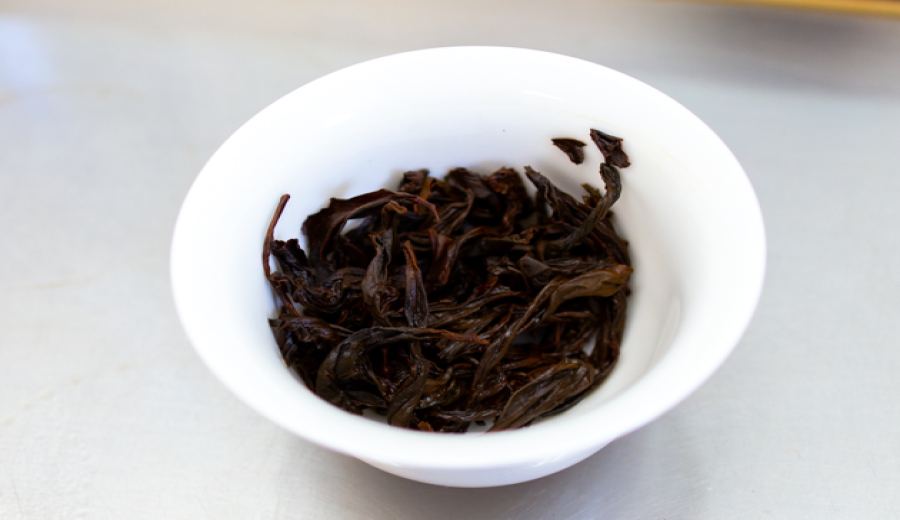
Introduction:Lapsang Souchong Gongfu black tea, as the progenitor of world black teas, is unforgettable for its rich honey aroma and longan-like sweetness. But many tea enthusiasts often wonder: how many infusions can this classic black tea yield? How much tea leaves should be used for two people? The key lies in precisely mastering water quality, tea-to-water ratio, and brewing timing. This article will delve into how to achieve six consecutive flavorful infusions by using mineral water with scientifically measured tea amounts and mastering the steeping rhythm of each brew, allowing you to easily brew a great cup that maintains layers of flavor till the very end.
The number of infusions for Lapsang Souchong Gongfu black tea actually hides secrets in water choice, tea-to-water ratio, and the timing of pouring out the liquor. To fully unleash the potential of this world-renowned black tea, every step—from water selection to brewing technique—requires attention.
First is the choice of water. I strongly recommend using mineral water or spring water, which contain natural minerals that can bring out Lapsang Souchong’s signature honey sweetness and longan notes. If only tap water is available, be sure to boil it and keep it boilingfor 3 to 5 minutesto evaporate residual chlorine. However, be aware that boiling alone cannot completely remove disinfection by-products. It’s advisable to use an activated carbon filter for further purification; otherwise, the tea’s fragrance can easily be compromised by chlorine. Moreover, chlorine in water not only affects aroma but may also disrupt gut flora balance if consumed long-term.
A special reminder: never use lemon juice or citric acid to clean your kettle to remove limescale. These naturally formed mineral deposits actually help stabilize the flavor of the tea liquor. Once removed, it’s hard to restore the original depth of tea taste. Additionally, distilled water or RO reverse osmosis water, lacking minerals, often result in flat and tasteless tea liquor. It’s better to opt for tap water containing minerals. More importantly, consistently using the same type of water ensures flavor consistency across each infusion.
Regarding tea quantity, followthe golden ratio of 1 gram of tea leaves per 40 milliliters of water. For a common 200-milliliter teapot, about 5 grams of tea leaves are needed; for a 300-milliliter teapot, use around 8 grams. If you don’t have an electronic scale handy, two teaspoons roughly equal 3 to 4 grams and can serve as an emergency substitute.
During actual brewing, first preheat your teaware with boiling water. This step helps maintain brewing temperature and prevents the sudden drop in hot water temperature from affecting tea leaf expansion. Keep the preheating time to about10 seconds—too short and the water won’t be hot enough, too long and you’ll lose heat.
Next, place the measured tea leaves into the teapot. It’s best to measure them in advance before adding, to avoid residual tea leaves from tea bags absorbing moisture from the teapot spout. After adding the first infusion’s boiled water, it’s recommended to steep with the lid on forabout 1 minute. You can shorten the time if you prefer a lighter taste, or add water to adjust if the tea is too strong. Otherwise, re-warm and steep again.
Many people don’t know that Lapsang Souchong can actually be infused up to six times. The key lies in the brewing method after the second infusion: starting from the second brew,no steeping with the lid on is needed. Simply let the boiling water pass quickly through the leaves, for no more than one second. This technique often surprises first-timers, yet it effectively extends the tea’s vibrant layers. Repeat the same approach from the third infusion onward.
It’s worth noting that if the interval between infusions is too long or the liquor is poured out continuously, the leaves remaining damp for extended periods will keep releasing internal substances, making the tea stronger. In this case, you can add some hot water to adjust. Interestingly, even when the concentration doubles, it’s not easily noticeable—often only after dilution do you realize the subtle balance of flavors.
Here’s another practical tip: starting from the second infusion, if you find the flavor a bit weak, you can pour the tea back into the teapot or gaiwan and pour boiling water through it once more. This often revives the dormant aromatic molecules, keeping every brew a delightful surprise.
The above content is compiled by CoffeeHunters, a coffee news website.


