







Introduction:Orange Pekoe black tea is a classic tea variety beloved by many tea enthusiasts, but its caffeine content often raises questions. This article delves into the grading system of Orange Pekoe tea, exploring how different grades—from OP to FOP and BOP—affect caffeine levels, and comparing these with coffee. It also offers practical advice to help you choose the right tea based on your needs, as well as insights into how origin and climate subtly influence flavor and composition.
Orange Pekoe is a term commonly used in the British tea grading system, primarily describing whole, young leaves harvested from the top of the tea plant, typically around 20 to 30 millimeters in length. This type of black tea is widely enjoyed around the world, yet many tea drinkers are uncertain about its caffeine content: just how much caffeine does Orange Pekoe black tea contain? How does it compare to other beverages? This article will analyze the differences in caffeine content across various grades of Orange Pekoe tea and provide useful selection tips.
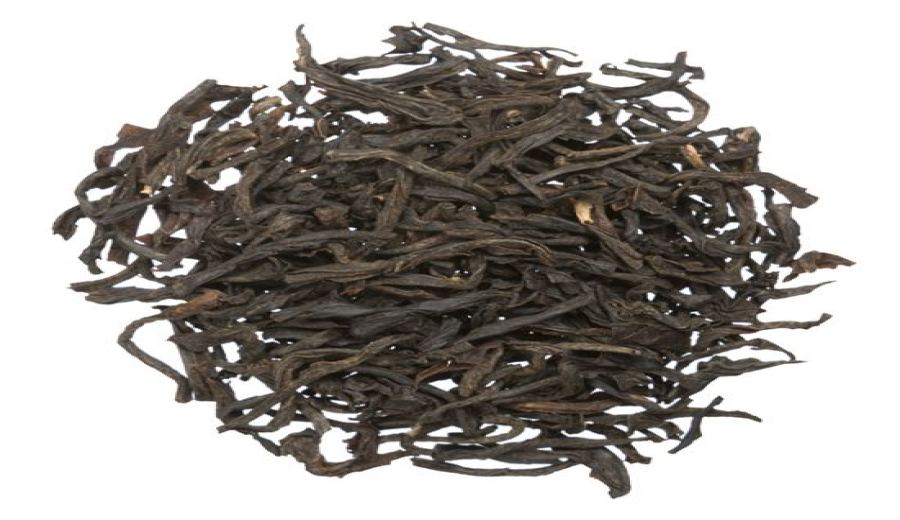
First, Orange Pekoe does not refer to the tea having an orange flavor or white fuzz. Rather, it is a term in the British tea grading system that describes the plucking position and appearance of the leaves. This grading system is mainly applied to black teas produced in India, Sri Lanka (Ceylon), and some African regions, where tea production has historical ties to the trade of the East India Company. Simply put, Orange Pekoe refers to whole leaves near the top of the tea plant, usually between 20 to 30 millimeters in length, and represents a higher quality grade of tea.
So, what is the caffeine content of Orange Pekoe black tea? Generally speaking, an 8-ounce (approximately 240-milliliter) cup of Orange Pekoe black tea contains about 45 milligrams of caffeine, but the actual amount can vary depending on several factors, including the altitude at which the tea plant is grown, soil and climatic conditions, sunlight exposure, and the tea’s place of origin. While these factors may cause slight variations in caffeine levels, the differences are usually only a few milligrams.
It is worth noting that the tea’s grade also affects its caffeine content. In general, higher-grade Orange Pekoe teas—such as OP (Orange Pekoe, referring to longer and more intact young leaves)—tend to have relatively higher caffeine content because these leaves are often plucked from the top of the tea plant, where buds and young leaves typically contain more caffeine. In contrast, lower-grade teas such as BOP (Broken Orange Pekoe, or broken Orange Pekoe) may release caffeine more quickly due to their broken state, though their overall caffeine content isn’t necessarily higher. However, the increased surface area of broken leaves can lead to faster extraction during brewing, giving a stronger perceived stimulant effect.
Compared to coffee, the caffeine content of Orange Pekoe black tea is significantly lower. A typical 8-ounce cup of coffee contains about 100 milligrams of caffeine, while the same amount of Orange Pekoe black tea contains around 45 milligrams. Therefore, if you’re looking to consume more caffeine, you might opt for a higher-grade Orange Pekoe tea or choose a broken grade like BOP for faster caffeine release. Additionally, you can increase caffeine extraction by extending the steeping time or using hotter water, though be cautious as over-steeping may result in overly bitter tea.
For tea drinkers who enjoy black tea but want a higher caffeine intake, it is recommended to prioritize teas graded as OP or FOP (Flowery Orange Pekoe, which includes young buds). These grades typically come from the top of the tea plant, have relatively higher caffeine levels, and offer more pronounced flavors. If you prefer a stronger, more invigorating taste, broken grades like BOP are also a good option, especially suitable for making milk tea or breakfast blends.
In summary, while the caffeine content of Orange Pekoe black tea is not as high as that of coffee, it can still provide a notable pick-me-up. Understanding the differences between grades and the various factors that influence caffeine content can help you choose the most suitable tea based on your personal preferences. Whether you seek a refreshing taste or a strong energizing effect, Orange Pekoe black tea offers a variety of choices, allowing you to enjoy the unique charm of black tea.
The above content is compiled by CoffeeHunters, a coffee news website.


