







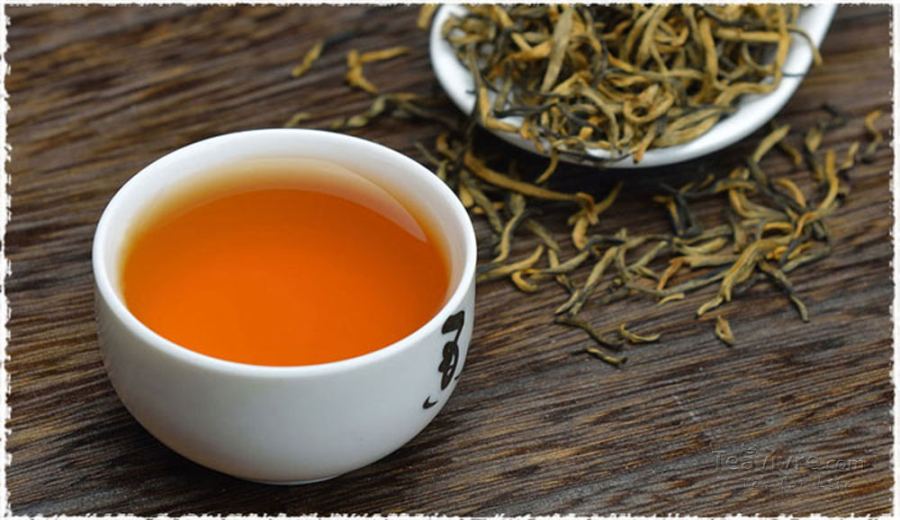
Introduction:On a winter afternoon, a rich cup of black tea can bring warmth and comfort to both body and soul. This article delves into a detailed comparison of the unique flavor profiles of two classic black teas—Qimen Gongfu and Fengqing Dianhong. From the charcoal roasting process to the layered notes of floral and fruity aromas, it will help you master the key points of identification. It also analyzes the golden blending ratio of English Breakfast tea and the logic behind its tea base combinations, assisting you in adjusting a personalized tea recipe based on your taste preferences. Whether you are drawn to traditional smoky flavors or modern fruity-floral profiles, you’ll find inspiration here.
During the cold winter season, when the foggy afternoon sunlight filters through the curtains, it is the perfect time to enjoy a cup of black tea. This article focuses on two distinctly characteristic Chinese black teas: Qimen Gongfu tea, known for its meticulous charcoal slow-roasting, and Fengqing Dianhong, famous for its bright floral aroma. The former is celebrated for its tightly rolled, slender strips, which release delicate cocoa and nutty aromas upon brewing, often with a subtle hint of red fruit like raspberry in the aftertaste; the latter stands out with its wide, curly leaves and bright golden buds, showcasing a perfect balance between rose-like floral notes and mature red berries.
When tasting Qimen Gongfu, pay attention to its unique tea-making process—utilizing traditional wood charcoal drying techniques rather than modern electric oven roasting. This classic method imparts a deep woody character to the tea, and when infused with hot water, the liquor presents a gentle amber hue. Initially, you may notice distinct peanut and cocoa aromas, which gradually give way to malt sweetness and a mild smoky flavor as the steeping time extends. Observing the tea leaves, you’ll find their tightly interwoven strips unfold into plump, fleshy-textured leaves.
In contrast, Fengqing Dianhong offers a distinctly different visual and taste experience. Its most notable feature is the golden buds floating in the tea liquor, which not only enhance the brightness of the brew but also contribute a unique layer of sweetness. The tea leaves appear dark brown with hints of purple, in a charred gray hue, and are noticeably more curled than Qimen tea. This leaf shape helps release the internal compounds slowly during brewing. In terms of flavor, Dianhong is anchored by bright rose floral notes, accompanied by the vibrant acidity of red fruits like cherries and cranberries, with a tannin structure that perfectly supports the overall flavor profile.
Delving into the classic blending formula of English Breakfast tea, the industry commonly employs a golden ratio of three core black teas: Qimen Gongfu makes up approximately40%As the flavor foundation, Assam black tea30%provides a strong malt aroma and robust tea body, while Ceylon black tea30%contributes bright citrus notes and structural backbone. This blend can be fine-tuned according to personal preference—for example, increasing the proportion of Qimen to enhance floral layers or raising the Assam content for a fuller mouthfeel. It’s worth noting that a high-quality blend should ensure all tea bases are made from fresh, current-season leaves, and maintain a similar degree of roasting to ensure flavor harmony.
For actual brewing, it is recommended to use water at90-95°Cand control the Qimen Gongfu tea-to-water ratio at1:50(3 grams of tea leaves per 150 ml of water), with the first infusion steeped for about30 seconds, increasing each subsequent infusion by 10–15 seconds. Dianhong, due to its coarser leaves, can be steeped for slightly longer, around45 secondsfor the first infusion, and the water temperature can be raised to95-100°Cto fully activate the aroma. Observing the color change of the tea liquor is a practical way to judge the infusion status—the Qimen tea liquor should present a bright, orange-red amber, while Dianhong tends toward a golden-red hue.
For those new to black tea, assessing tea quality can start with several key indicators: high-quality Qimen Gongfu leaves should retain their intact strip shape, appearing soft and elastic after brewing; for Dianhong, the proportion of golden buds and the uniformity of leaf color are key judging criteria. When storing, both teas should be kept away from light and moisture. Qimen Gongfu, with its more delicate charcoal aroma, is best preserved in sealed aluminum foil bags, whereas Dianhong can tolerate a relatively looser storage environment but should still avoid absorbing foreign odors.
Whether you prefer the robust strength of traditional English Breakfast tea or the refreshing floral-fruitiness of modern black teas, understanding the characteristic differences between these two classic varieties will help you tailor the ideal tea combination for different occasions and moods. From precise calculations of blending ratios to the meticulous control of brewing parameters, each step holds essential elements that elevate your flavor experience.
The above content is compiled by CoffeeHunters, a coffee news website.


