







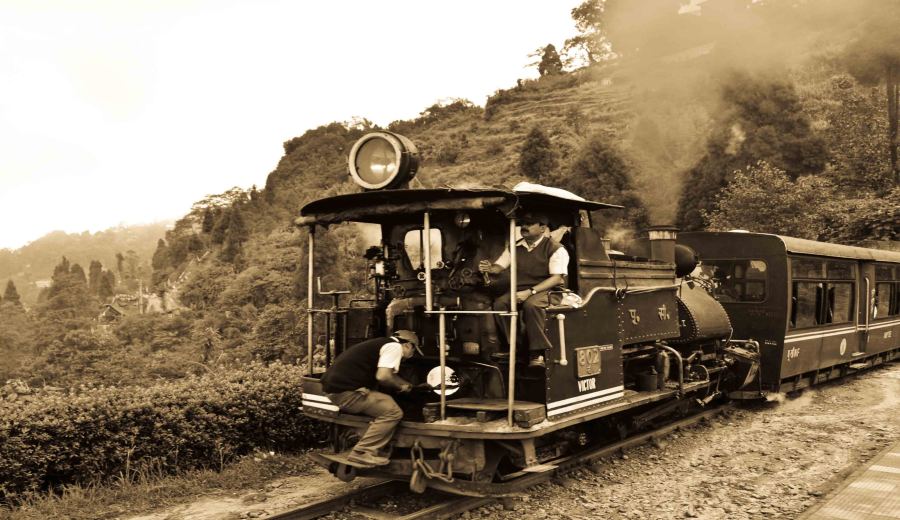
Introduction:Darjeeling tea is world-renowned for its unique muscatel flavor, a distinction rooted in over a century of cultivation history. From experimental plantings in the mid-19th century to today’s scale of 86 tea estates producing tens of millions of kilograms annually, this development is the result of a precise interplay between climate, geography, and human effort. This article takes you deep into how Darjeeling tea emerged from nothing, and explores the flavor differences across its four harvest seasons, the status of organic certifications, and the industry’s labor structure — serving as a comprehensive beginner’s guide for those who love both tea and coffee.
The reason Darjeeling tea stands out in the global tea market lies in its distinctive “muscatel” aroma. This flavor is the result of cool, humid high-altitude climates, unique soil compositions, abundant rainfall, and the growing conditions of tea bushes averaging 50 to 60 years old on sloped terrains.
Tracing back to the origins of Darjeeling tea, its beginnings are inseparable from the British colonial period. It all started with a civilian surgeon named Campbell, who experimented with planting tea bushes in his garden at Beechwood, at an altitude of about 2,100 meters (approximately 7,000 feet). By 1847, he further promoted the cultivation of these tea plants in official tea gardens, marking the prelude to commercial planting.
The year 1852 is considered a pivotal starting point for the Darjeeling tea industry, with the establishment of the first three commercial tea gardens — Tukvar, Steinthal, and Aloobari. These gardens utilized tea seeds provided by government nurseries, signifying the first step from experimentation to commercialization. As tea cultivation is a labor-intensive industry, local residents and workers from Nepal’s border regions gained stable employment opportunities.
Over time, the number of tea gardens and production volume steadily grew. By 1866, there were 39 tea gardens in the Darjeeling region, producing approximately 21,000 kilograms of tea annually; just four years later in 1870, the number of gardens increased to 56, with output surging to around 71,000 kilograms. The Darjeeling Tea Company was established between 1860 and 1864 and owned four gardens. It remains renowned today for producing world-class teas with high aromatic profiles.
Today, the Darjeeling tea region has a total of 86 tea gardens, with an annual output of about 10 million kilograms. Tea bushes are primarily grown at altitudes ranging from 300 to 600 meters (approximately 1,000 to 2,000 feet). In recent years, more and more gardens have transitioned to organic cultivation. Currently, over 70% of the tea gardens have become organic, avoiding the use of chemical fertilizers, and have earned multiple internationally recognized certifications including Swiss IMO, German Demeter, India Organic, and USDA, ensuring that tea production meets high environmental and health standards.
Harvesting of Darjeeling tea is divided into four main seasons, each with distinct climatic conditions and tea characteristics. The foremost “First Flush” occurs from the first week of March to the first week of May. During this time, the leaves are greener in color, with fresh but relatively subtle aromas. Following that, the “Second Flush” usually spans from the third week of late May to the third week of June. Teas from this period are most noted for their prominent muscatel aroma and are considered the classic representation of Darjeeling tea.
The Third Flush, also known as the “Monsoon Crop,” is harvested from July to the second week of September. Influenced by the monsoon season, teas from this time often have darker liquor and weaker aromas, and are generally classified as lower-grade offerings. The final “Autumnal Flush” takes place from the last week of September to the second week of November. Though not produced in large quantities, the autumn teas possess unique and deep aromatic qualities, making them highly valued for collection and connoisseur enjoyment.
If you’re accustomed to drinking coffee, you might think of Darjeeling tea as the “single-origin specialty” within the world of tea. For beginners, it’s recommended to start with teas from the Spring and Autumn flushes. Comparing the two makes it easier to discern the delicate and muscatel-like unique aromas, and to appreciate the centuries of terroir essence accumulated in the Darjeeling tea region.
The above content is compiled by CoffeeHunters, a coffee news website.


