







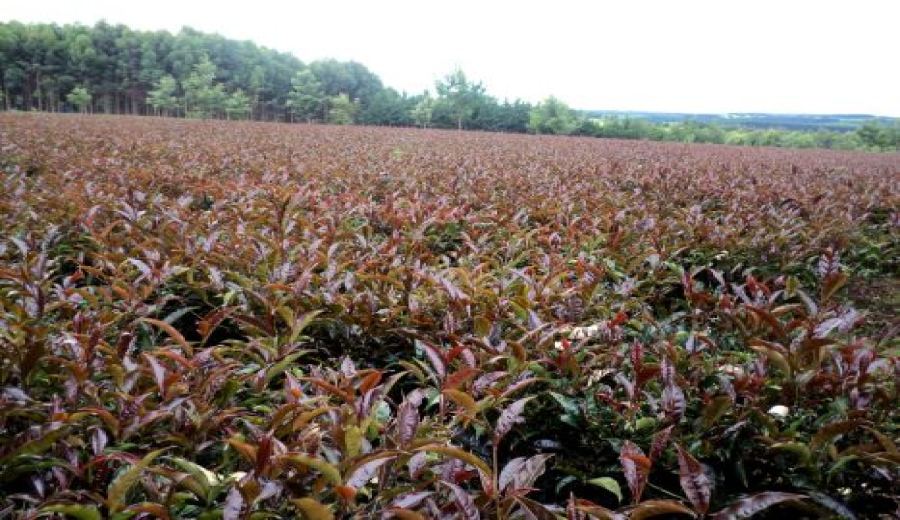
Introduction:Kenyan purple tea is a rare variety of tea leaves known for its distinctive purple infusion and leaves, and it has garnered significant attention due to its high natural anthocyanin content. This article will take you on an in-depth exploration of its varietal origins, the reason behind its purple hue, its cultivation history, how to properly brew and enjoy it, and where you can find authentic purple tea from Kenya.
Kenyan purple tea is one of the few tea cultivars in the world with naturally purple leaves and is currently recognized as the only type of tea rich in anthocyanins. Anthocyanins, a type of flavonoid also found in dark-colored fruits such as blueberries and pomegranates, are the key compounds that give these fruits their vivid purple color. This rare tea originated in Kenya and was first successfully cultivated by the Kenya Tea Research Foundation (TRFK) about twenty-five years ago, but it wasn’t until 2011 that it was first trial-planted by some local smallholder farmers.
From a botanical classification perspective, Kenyan purple tea is a variety within the species Camellia sinensis, specifically categorized under Camellia sinensis assamica. It is not genetically modified but rather the result of natural selection and breeding. Its uniqueness lies in the fact that although the leaves appear deep purple in the tea garden, the brewed tea liquor is a clear light golden color. However, when a small amount of lemon juice is added, the tea liquor immediately turns a distinct purple — a characteristic caused by the pH-sensitive color change of anthocyanins in acidic conditions.
This tea does not fall under traditional categories such as green tea, black tea, or oolong tea, and thus has been classified separately as a new category: “purple tea.” Its flavor profile is relatively mild, similar to white tea, with a soft and rounded mouthfeel, natural herbal aromas, and a barely perceptible hint of sweetness in the aftertaste. The overall flavor is delicate and pleasant, with well-balanced layers.
Purple tea plants thrive in high-altitude environments, typically requiring cultivation at elevations above 6,000 feet (approximately 1,800 meters). Such conditions help the tea leaves mature slowly and accumulate more beneficial compounds. Although the variety was developed as early as the late 1990s, it wasn’t officially promoted to local farmers for planting until 2011. Moreover, in the initial stages, farmers had to wait around five years for the tea trees to mature, during which there was almost no economic return — a testament to the significant challenges involved in its cultivation.
In terms of harvesting standards, purple tea adheres to the very strict “two leaves and a bud” principle, selecting only the highest quality tender buds and leaves. As a result, its yield is limited, and it is mostly produced in small batches to ensure that each batch maintains a high standard of quality.
If you’re interested in this rare type of tea, choosing to purchase Kenyan purple tea not only allows you to enjoy its unique flavor but also indirectly supports local farmers, helping them establish stable sources of income and promoting sustainable community development. Currently, some specialty tea brands or roasters regularly import this tea, and it is recommended to pay attention to these sources to obtain authentic Kenyan purple tea.
The above content is compiled by CoffeeHunters, a coffee news website.


