







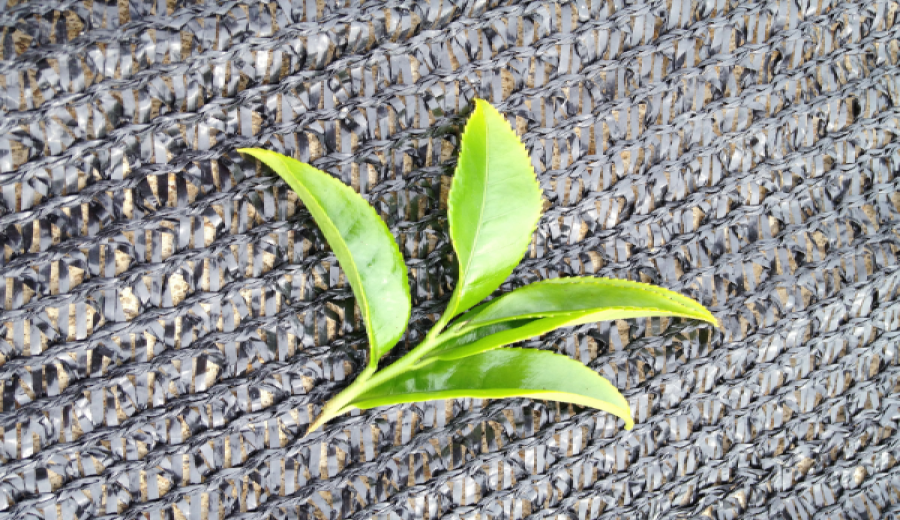
Introduction:Fenghuang Dancong oolong tea is a representative variety of oolong tea from the Chaoshan region of Guangdong, renowned for its intricate processing and distinctive aroma, and is one of China’s four major oolong teas. This article delves into its traditional production process, brewing techniques suited to different seasons, and how to achieve optimal flavor through water temperature, steeping time, and leaf quantity—offering a comprehensive exploration of this exceptional tea.
Fenghuang Dancong oolong tea originates from Fenghuang Town in the Chaoshan region of Guangdong Province, and stands alongside Tieguanyin, Wuyi Rock Tea, and Buddha’s Hand Tea as one of China’s four iconic oolong teas. Esteemed as a high-end variety of oolong, it is distinguished by its complex production techniques, meticulous selection of tea leaves, and seasonal adjustments to brewing methods.
The term “Dancong” (single bush) refers to tea made exclusively from the fresh leaves of a single tea tree, emphasizing the singularity and uniqueness of the leaf source. This approach not only increases production difficulty but also makes large-scale manufacturing of Fenghuang Dancong impractical. Traditional methods require over 20 hours of work, and even with modern refinements, the process remains labor-intensive and time-consuming to ensure the full expression of each leaf’s flavor.
The production process includes withering, rolling, fermentation, and multiple firings. Among these, the withering stage is crucial for aroma development, demanding careful control of humidity and ventilation. Rolling helps release the tea juices, facilitating subsequent oxidation and flavor evolution. The degree of fermentation directly influences the tea liquor’s richness and aromatic profile, while repeated firings lock in the fragrance, enhancing the tea’s complexity and lingering sweetness.
When brewing Fenghuang Dancong, it is recommended to use 6 grams of tea leaves with 150 ml of hot water. Depending on the oxidation level of the leaves, water temperature and steeping time can be adjusted flexibly to fully highlight their unique aromas and flavors. Generally, low-oxidation Fenghuang Dancong is best brewed at 90°C to 95°C, while highly oxidized versions suit 95°C to 100°C water, which helps unlock richer aromatic layers.
The first infusion is suggested to steep for 1 to 4 minutes, with tasting possible from the second minute to identify your preferred strength. For subsequent infusions, increase the time by 30 to 60 seconds per brew, typically yielding 3 to 5 infusions. Each offers distinct flavor variations—from bright floral notes to deep honey-like sweetness—creating a layered experience.
For brewing Fenghuang Dancong, a gaiwan or Yixing clay teapot is recommended to ensure even heat distribution and aroma concentration. Pour water gently along the inner wall to avoid directly hitting the leaves, minimizing bitterness. Additionally, pre-warming the teaware with hot water enhances the overall drinking experience.
Common mistakes include using excessively high water temperatures, resulting in overly bitter liquor, or steeping too long, which can make the flavor harsh and lose its complexity. Mastering the right temperature and timing is key to appreciating Fenghuang Dancong’s aroma and lingering sweetness.
In summary, Fenghuang Dancong oolong tea is not only a product of craftsmanship but also a collaboration between time and nature. From harvesting to brewing, every step reflects a commitment to quality and a pursuit of flavor. By understanding its production and brewing techniques, you can more fully appreciate the unique charm of this exceptional oolong.
The above content is compiled by CoffeeHunters, a coffee news website.


