







Introduction:From fresh tea leaves to dried leaves ready for brewing, tea undergoes a series of meticulous processing steps. Different processing procedures, especially the oxidation stage and how oxidation is stopped, determine the final classification and unique flavor profile of the tea. This article details key steps such as tea plucking, withering, leaf shaking, fermentation, fixation, yellowing, drying, and aging, and compares the production differences between black tea, yellow tea, and dark tea. It helps readers gain a deeper understanding of where tea flavors come from, while also providing practical references such as temperature and humidity control, allowing tea enthusiasts to appreciate the nuanced flavor-processing craftsmanship akin to that of coffee.
The transformation of fresh tea leaves into the dried leaves we commonly brew involves a series of refined and scientific processing procedures. Throughout the production process, controlling the degree of oxidation, initiating and terminating the oxidation reaction, as well as the final drying treatment, are all key factors that determine the tea’s classification and flavor expression. This article will fully break down each step of tea processing, including plucking, withering, leaf shaking, oxidative fermentation, fixation, yellowing, drying, and aging, and delve into the core differences in the production processes of black tea, yellow tea, and dark tea, thereby revealing how these steps influence the final aroma, taste, and liquor color.
Teas can generally be divided into categories such as green tea, white tea, black tea, oolong tea, yellow tea, and dark tea, all of which originate from the tender buds and leaves of the tea plant. Sometimes, to adjust the flavor profile, tea blending or the addition of other flavor elements is also carried out to create a variety of blended teas. The distinction in processing techniques is mainly reflected in the degree of oxidation, the method of oxidation, the technique used to stop oxidation, and the drying method. These details not only shape the unique characteristics of different tea types but are also closely related to the tea plant variety and the quality of the fresh leaves themselves.
It is worth noting that if the temperature and humidity in the processing environment are not properly controlled, it can easily lead to mold growth, triggering unintended fermentation reactions, which can severely affect the hygiene and drinking value of the tea. Therefore, a stable tea-making environment and meticulous operational management are the foundations for ensuring tea quality.
Tea plucking is the first step in tea processing and is usually carried out twice a year, mainly during early spring and late spring when tea quality is at its best. Although autumn or winter harvesting does occur under specific climatic conditions, it is relatively rare. High-quality tea is often hand-picked as one bud with two leaves, especially in regions with ample labor resources. Hand-picking allows for precise selection of the tenderest buds and leaves, greatly contributing to the delicacy of the final tea liquor. When plucking, the base of the tea bud should be gently pinched with the thumb and forefinger to avoid damaging the leaves. Machine harvesting, while more efficient, can easily cause leaf breakage or reddening, and unless done at the optimal time and with proper equipment, the quality is often inferior to that of hand-picked tea.
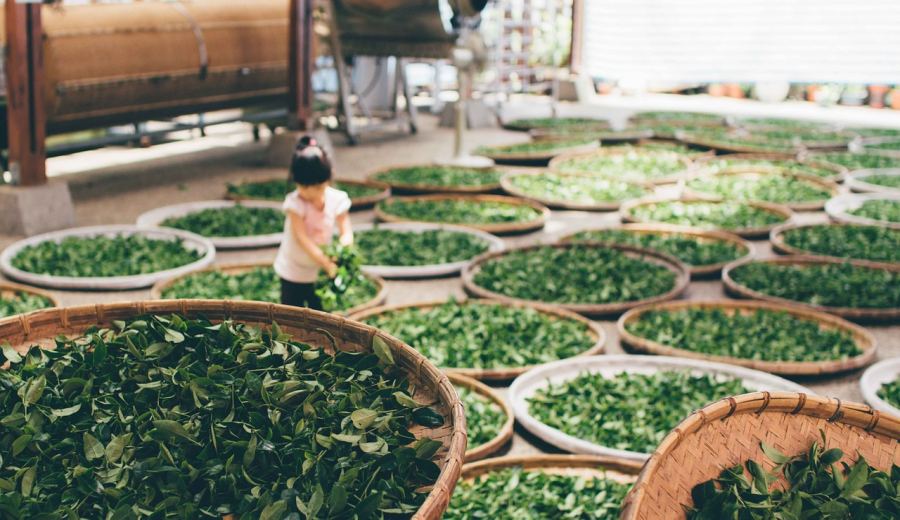
The freshly picked leaves then enter the withering stage, which is a key step in removing excess moisture and initiating initial oxidation. Withering can be carried out either by sun exposure or indoor resting. The goal is to allow the moisture in the leaves to evaporate without excessive oxidation, typically resulting in the leaves losing more than a quarter of their weight. In addition to reducing moisture, this stage also promotes the breakdown of proteins into free amino acids, laying the foundation for subsequent flavor formation. The withering time is closely related to ambient temperature and humidity, requiring careful control to avoid leaf deterioration.
Leaf shaking, also known as leaf maceration, is a process that further promotes oxidation. During this step, the edges of the tea leaves are lightly bruised through methods such as shaking on bamboo trays, tossing, or turning in baskets, causing the edge cells of the leaves to rupture, releasing leaf juice and initiating the oxidation reaction. In some cases, machinery is used for deeper rolling, tumbling, or crushing to expand the oxidized surface area. The extent of cell damage in this stage directly affects the complexity of the tea’s aroma and the depth of its flavor.
Oxidative fermentation is a core process for certain types of tea, such as black tea. The tea is left to rest in a controlled temperature and humidity environment, allowing chlorophyll to gradually break down and the tea leaves to darken in color. During this process, oxygen reacts with the polyphenols in the tea leaves, resulting in changes in color and flavor. In some processes, the tea is turned to regulate the evenness of oxidation, thereby affecting the final color and taste of the tea liquor. This step is sometimes mistakenly referred to as "fermentation," but in reality, it is an enzymatic oxidation reaction.
Fixation is the crucial process that stops oxidation. By applying heat, the oxidation enzymes are deactivated, thereby locking in the degree of oxidation of the tea. This step not only determines the tea type classification but also removes undesirable off-flavors, preserving the tea’s pure flavor. The fixation temperature and duration vary depending on the tea type and the desired flavor profile and need to be adjusted accordingly.
Yellowing is a process unique to yellow tea. It involves placing preliminarily processed tea leaves in a moist and sealed environment with slight heating, prompting the conversion of chlorophyll. This turns the leaves from green to yellow and gives the tea liquor its distinctive yellow-green hue. This process also enhances the tea’s aroma and deepens its flavor. Sometimes, it is combined with rolling or wrinkling processes to further release internal compounds.
Drying is the final step in the entire tea-making process. Its purpose is to remove residual moisture, stabilize the tea’s quality, and make it suitable for storage and brewing. Drying methods include sun drying, hot air drying, and baking, with roasting being the most common form of treatment, especially for green tea. Proper drying temperature and time can significantly enhance the tea’s drinking performance.
Some types of tea, such as Pu-erh tea, also undergo an aging process. Through the passage of time and appropriate secondary treatments, the tea’s flavor becomes more rounded and layered. However, this is not a required step for all tea types and is only used for specific teas to enhance their aging potential and drinking value.
The above content is compiled by CoffeeHunters, a coffee news website.


