







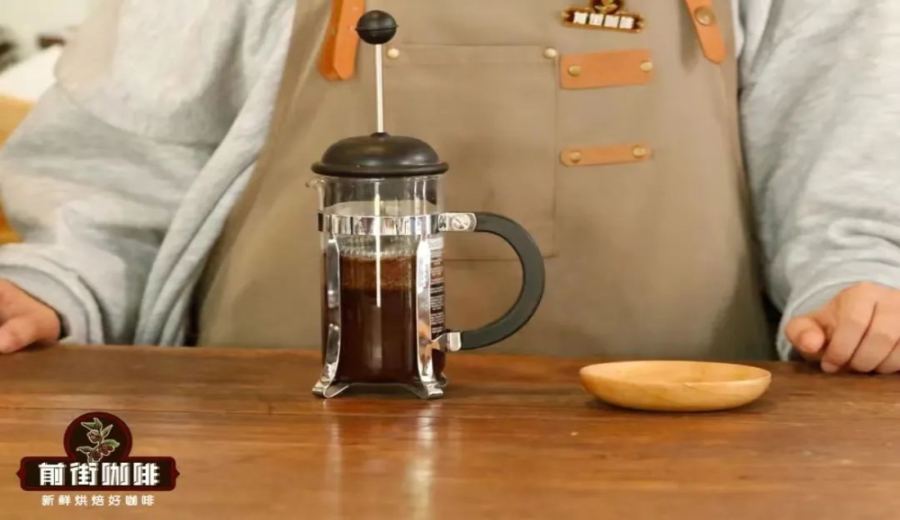
Introduction:The French press is a practical tool for coffee beginners and home brewing enthusiasts, capable of producing rich black coffee with a stable extraction—even without precise hand movements. This article delves into the historical evolution and structural advantages of the French press, explains why it’s particularly well-suited for medium to dark roast beans, and uses Golden Mandheling as an example to break down key steps such as preheating the brewer, grind size, coffee-to-water ratio, water temperature, and steeping time. It will help you master this classic immersion brewing method to bring out the coffee’s rounded mouthfeel and deep aroma.
Got freshly roasted coffee beans but not sure how to brew them? The French press is your perfect choice. Without requiring complex techniques or strict control over every milliliter of water, simply manage the contact time between coffee grounds and water along with the grind coarseness, and you can consistently brew a balanced, full-bodied black coffee. This article not only introduces the origins and design evolution of the French press but also details why it’s especially suitable for medium to dark roast varieties. Using Golden Mandheling as an example, it guides you through every step—from preheating and grinding to pouring water and pressing—while also offering cleaning and maintenance tips to ensure each brew delivers rich sweetness and smooth crema.
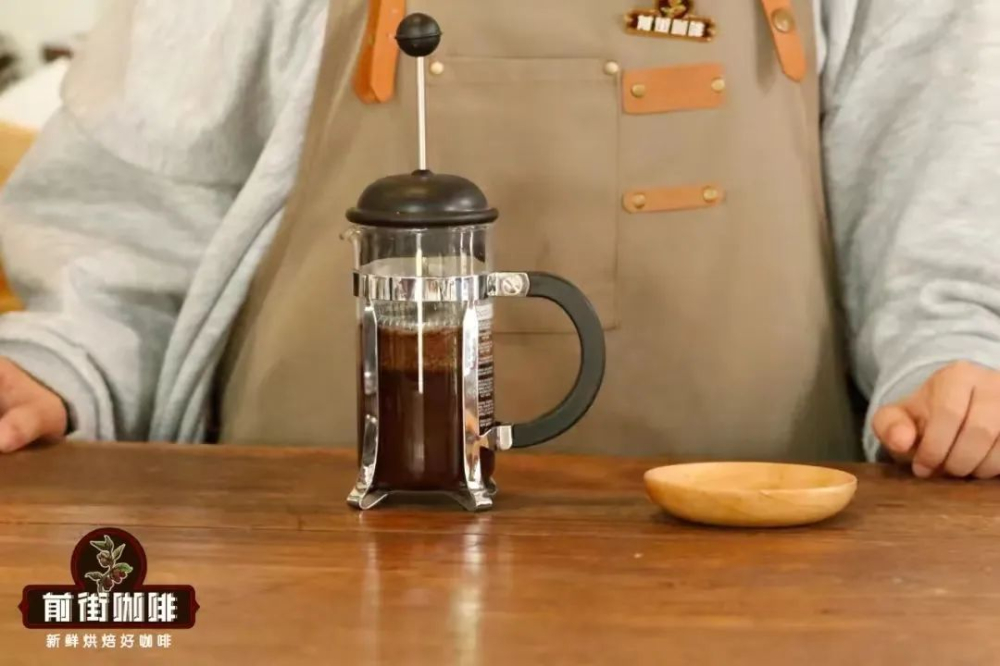
Faced with a pack of freshly roasted coffee beans and unsure which brewing device to use? The French press is undoubtedly a convenient and reliable option. It doesn’t demand precise pouring techniques, nor does it require strict adherence to grams and timing. With simple operation, it can highlight the bold flavors of single-origin coffee. Ultimately, no matter which brewing method you choose, the goal is the same—to brew a great cup of coffee that’s enjoyable to drink.
Some may think the French press looks less “premium” and lacks the ritual feel of pour over. But in truth, the essence of coffee brewing has never been about form—it’s about bringing out the inherent flavor characteristics of the coffee itself. Whether it’s pressure brewing, drip filtration, or immersion, the core lies in allowing the coffee grounds and water to fully interact, extracting the right proportion of soluble substances to create an aromatic, relaxing beverage.
Compared to drip pour over, coffee brewed with a French press often has a rounder body and more pronounced sweetness. Whether you’ve just woken up in the morning or feel fatigued at work, quickly brewing a cup of coffee that energizes you is, in itself, a simple pleasure.
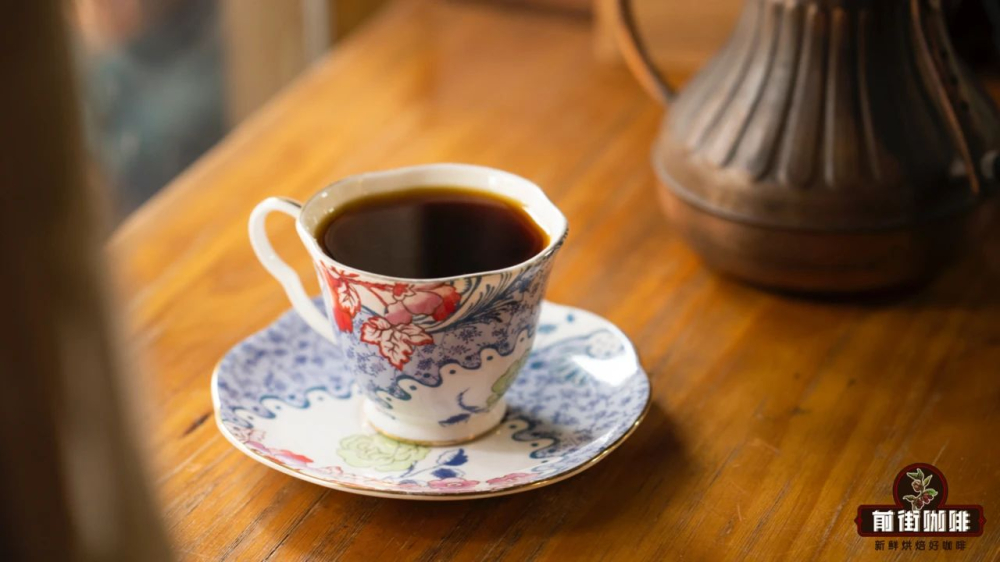
The history of the French press dates back to 1850 in France. Its original prototype was actually derived from a tea-brewing vessel: a filter with a plunger was added inside a teapot, with the filter diameter matching the pot, primarily functioning to effectively block tea leaves after steeping to prevent tea sediment from entering the poured liquid. Later, coffee enthusiasts discovered that applying the same structure to coffee immersion could also yield a cleaner taste, offering advantages over direct brewing.
Later, a craftsman and merchant joined forces to establish the “Smith” company, which improved the design of the French press and applied for a patent in 1852 for a device called the “piston-filtered coffee apparatus,” then named the “French Press.” However, initial market response was lukewarm, mainly because the filter didn’t stay level after pressing the plunger. If not pressed firmly, fine particles could easily seep into the cup through gaps between the filter and the pot wall when pouring the coffee.
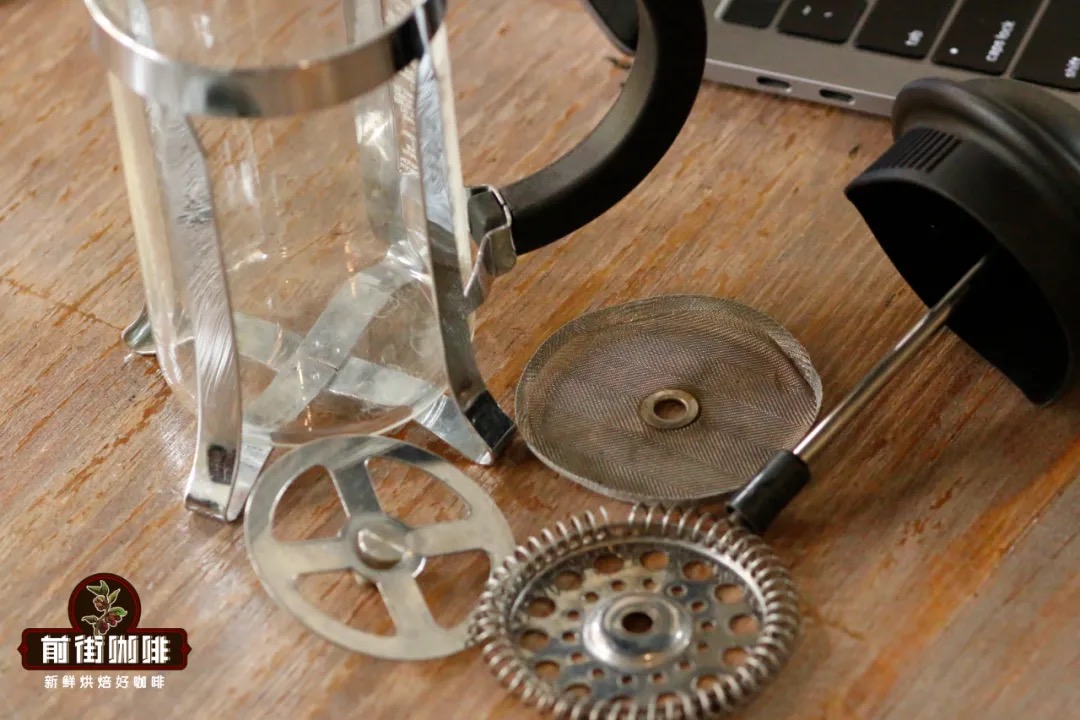
It wasn’t until the late 1920s that a Milan-based company registered an improved patent: adding a spring design to the disc-shaped structure at the bottom of the piston and the filter to ensure the plunger would tightly seal against the container bottom after pressing, effectively preventing fine particle leakage. In the following years, the company continuously refined the overall design and brought it to market, and users gradually came to appreciate the convenience and practicality of the French press for brewing coffee.
What kind of coffee beans is the French press particularly suited for? Just like with tea, the French press is an immersion brewing method where coffee grounds need to contact hot water for a period of time, making it better at showcasing a rich mouthfeel and full crema rather than bright fruity acidity. If you don’t enjoy strong acidity, medium to dark roast beans are the ideal choice.
Recommended to try a PWN Golden Mandheling—a single-origin bean roasted close to a dark level, with low acidity. When brewed with a French press, it can express complex flavors like spices, dark chocolate, toasted bread, caramel, and sandalwood. The mouthfeel is rich, and the aroma is long-lasting and captivating, making it highly suitable for coffee lovers who prefer intense flavors.
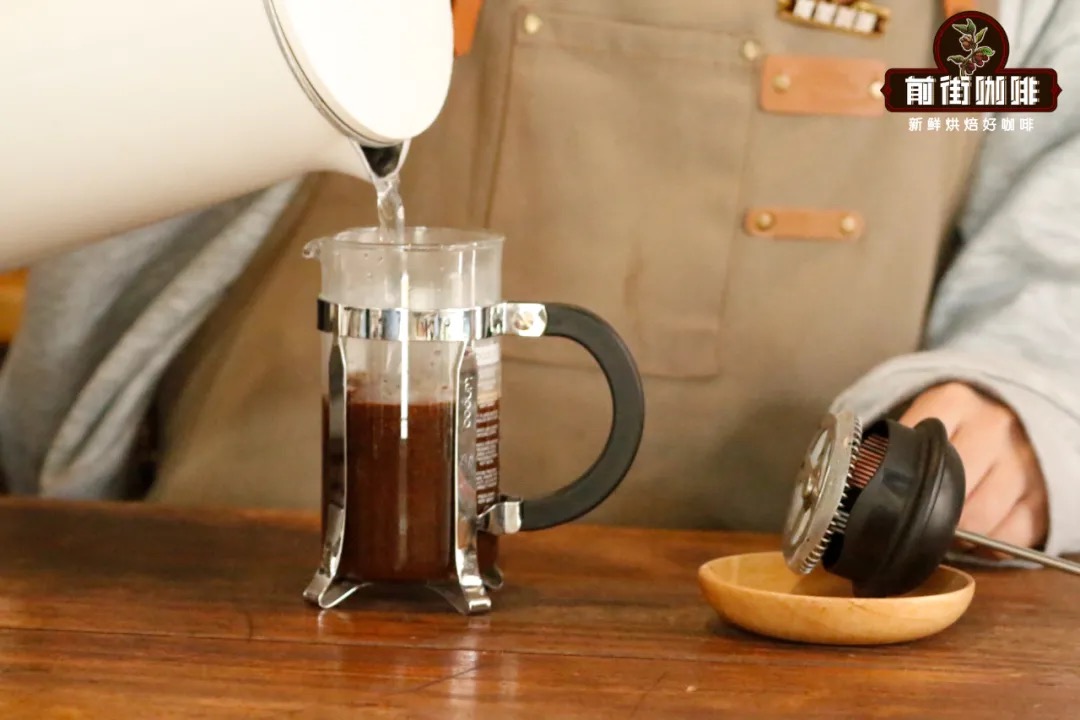
Using a French press is very simple: it mainly consists of a heat-resistant glass carafe and a metal filter. The basic steps include placing coarsely ground coffee into a preheated carafe, pouring in 88–92°C hot water, letting it steep for 3–4 minutes, and then slowly pressing the plunger down before pouring out the coffee to enjoy.
First is preheating: pour hot water into the carafe to preheat both the container and the metal filter, then discard the water and set it aside for later use.
Next is grinding: grind the coffee beans to a coarse particle level, similar to the texture of coarse sugar. If using a sieve to test, aim for a passing rate of around 70%–75% (referencing the Chinese No. 20 standard sieve).
In terms of dosage, it’s recommended to use at least 15 grams of coffee, with a coffee-to-water ratio adjustable based on taste preference, ranging from 1:13 to 1:16 (for example, 15 grams of coffee with 195–240 grams of water). For a stronger taste, go for 1:13; the standard is 1:15; for something lighter, choose 1:16—you can also make fine adjustments according to personal preference.
Water temperature should be adjusted based on roast level: for light to medium roasts (light brown to brown), use water around 92°C; for dark roasts (dark brown), it’s recommended to use water around 88°C. After pouring the water, pull the plunger to the top of the lid and cover it—but do not press down yet.
Steeping time should also be adjusted based on roast level: for light to medium roasts, steep for about 4 minutes; for dark roasts, steep for about 3 minutes and 30 seconds. Sufficient steeping allows flavors to fully develop, but too long can lead to unwanted woody or burnt-bitter notes.
After steeping, slowly press the plunger down and pour out the coffee all at once. If not poured completely, the remaining coffee grounds will continue to release undesirable flavors, affecting the overall taste.
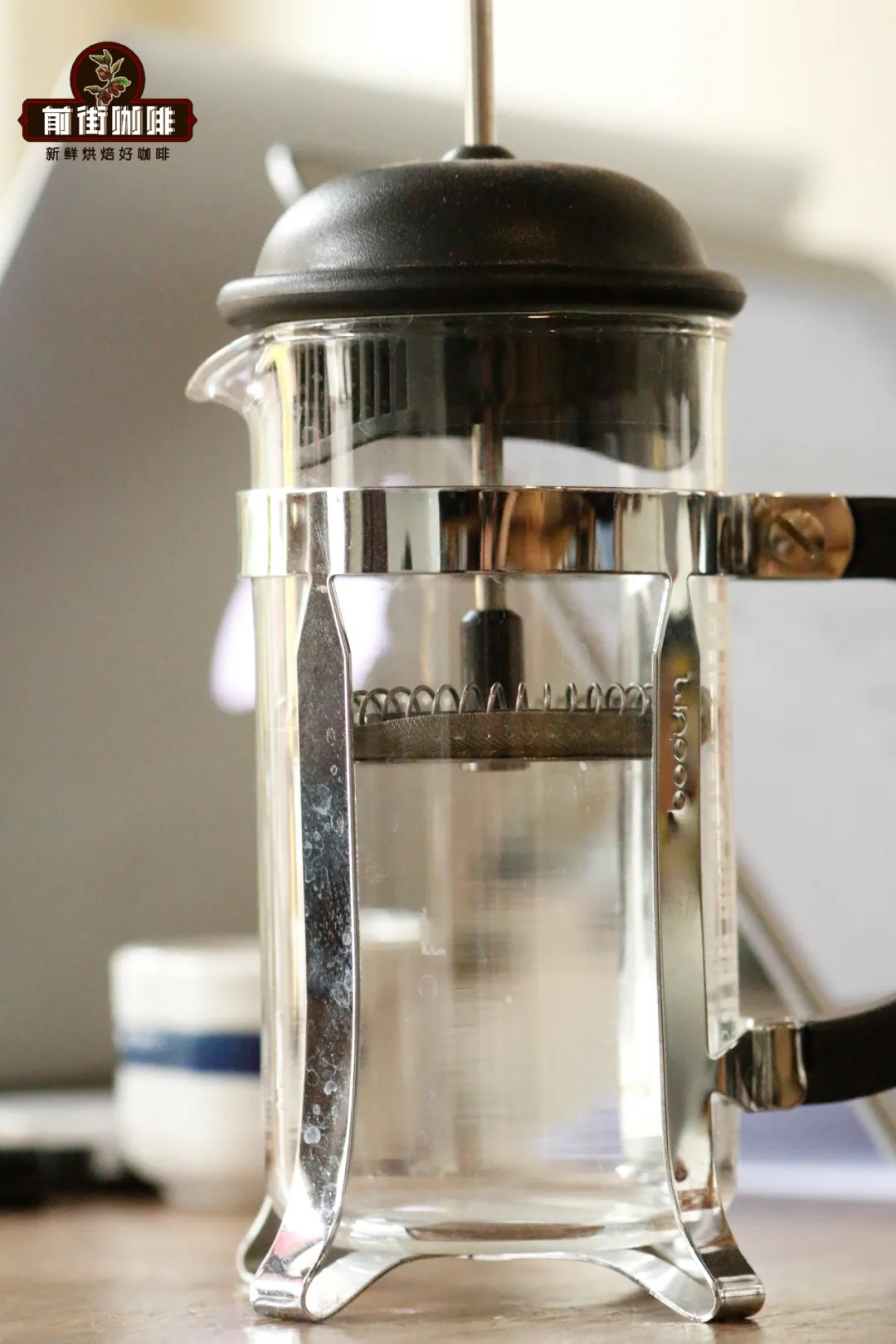
Finally, a reminder: when cleaning the French press, disassemble all metal parts, wash them separately with detergent, and ensure they are thoroughly wiped dry and air-dried before storage. Also, the fine coffee sediment unique to French press coffee is actually part of its charm—you don’t need to overly pursue a completely sediment-free taste.
The above content is compiled by CoffeeHunters, a coffee news website.


