







Introduction:Assam black tea is a major player in the global tea market, beloved for its bold flavor and affordable price. This article delves into the journey of Assam tea from its wild discovery to commercialization, explores how the CTC processing method shapes its unique flavor profile, and introduces notable local tea estate brands and their tourism appeal. Whether you're a black tea enthusiast or simply looking for a high-value cup, you'll find practical insights here.
As the world’s second-largest tea producer, India’s tea industry is deeply intertwined with its British colonial history. Among its many renowned tea-growing regions, Assam tea stands out with its strong and robust character, long holding a central place in India’s domestic market. This article will take you through the evolution of Assam tea—from its natural discovery to large-scale cultivation—analyze the distinctive flavor traits brought by the CTC process, and explore the branding and tourism potential of local tea estates.
India is the world’s second-largest tea producer, with Assam tea playing a pivotal role. In 1823, British explorer Robert Bruce discovered wild tea plants near Sivasagar (formerly Rangpur), which were later identified as belonging to the same species as China’s Camellia sinensis. This discovery laid the foundation for India’s tea industry, and Maniram Dewan is recognized as the first Indian tea planter to establish a commercial tea garden. By 1862, Assam had developed around 160 tea gardens, establishing the industry’s groundwork.
Today, Assam boasts over 21,620 hectares of tea gardens, with an annual production exceeding 400 million kilograms, produced by more than a hundred tea estates. The black tea from this region is known for its rich malty aroma and deep burgundy color, and its strong flavor makes it particularly well-suited for preparation with milk as traditional masala chai. These flavor characteristics have made Assam tea the most popular tea variety in the region, beloved by consumers across all social strata.
The CTC (Crush-Tear-Curl) process is a key technology behind the widespread popularity of Assam tea. This mechanized method involves crushing, tearing, and curling the tea leaves, significantly improving production efficiency and reducing costs. Compared to the traditional Orthodox method, CTC black tea has faster extraction properties, typically releasing its full flavor within 30 seconds, making it especially ideal for milk tea or sweetened beverages.
The versatility of Assam tea is another reason for its popularity. Beyond simple brewing, this tea blends beautifully with milk and sugar, and even complements spices like cardamom and ginger. Notably, due to the characteristics of the CTC process, it is recommended to brew with water at 90–95°C and avoid over-steeping to prevent bitterness. A common brewing ratio is 2–3 grams of tea per 150 ml of water, adjustable to personal taste.
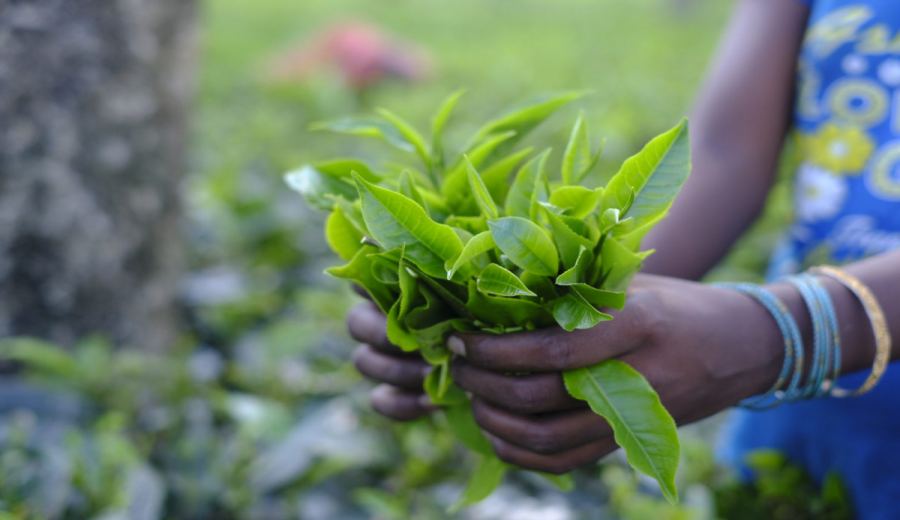
Assam’s tea gardens are not only vital production hubs but also unique tourist attractions. The vast stretches of emerald-green tea fields and the daily lives of local tea pluckers create a distinctive cultural experience. Many tea estates offer guided tours, allowing visitors to witness the entire tea-making process—from plucking and withering to rolling. For tea enthusiasts, visiting the region offers a deeper understanding of the unique charm of Assam tea.
In terms of quality grading, Assam tea offers a diverse range from everyday drinking grades to premium selections. While the CTC process is primarily used for mass-market products, some tea estates still preserve traditional methods to produce high-quality black tea. When shopping, consumers can look for tight leaf consistency and strong aroma—premium CTC black tea often exhibits distinct malty and honey-like fragrance notes.
The above content is compiled by CoffeeHunters, a coffee news website.


