







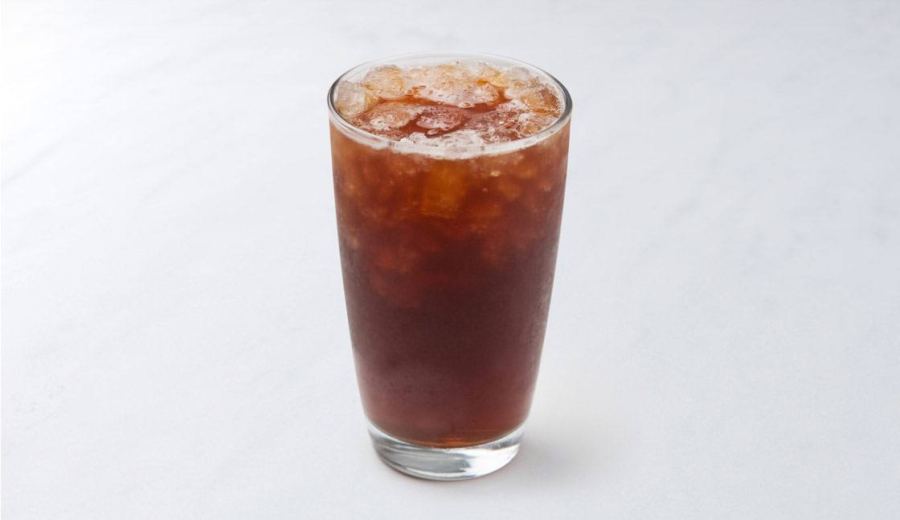
Introduction:You can easily brew a refreshing and flavorful iced black tea at home too. This article delves into the practical steps, suitable tea types, and optimal flavor profiles of both cold and hot water brewing methods, while comparing their differences in taste and aroma. Whether you prefer simple refrigeration or hot brewing followed by chilling, you’ll find the method that suits you best, and learn how to adjust ratios and steeping times based on the characteristics of your tea leaves to make the perfect iced tea.
To make a memorable iced black tea at home, you only need to master the balance among tea leaves, water, and time. This article will detail two common brewing methods—cold water infusion and hot water brewing—breaking down and comparing each step-by-step, from procedures, suitable tea types, usage scenarios to flavor performance, helping you choose the most appropriate method based on your needs. Loose leaf tea is used as the main example here, but tea bags are also suitable. Additionally, we’ll recommend several oolong teas and herbal teas that work well for cold brewing, so you can easily brew your own unique flavor.
The key to making iced tea lies in controlling the ratio of tea leaves to water, as well as the steeping time and temperature. Different brewing methods will affect the final aroma, sweetness, and overall balance of the tea. Understanding these elements allows you to choose the most suitable brewing method based on the occasion and your taste preferences, whether for everyday refreshment or serving guests—you’ll be able to handle it with ease.
Cold brewing is the simplest and most hassle-free way to make iced tea. Just place 10 grams of loose leaf tea and 1 liter of room-temperature filtered water into a sealable container. A cold brew pitcher with a built-in filter, such as the Hario Cold Brew Bottle, is recommended—it’s not only convenient for filtering but also ready for direct refrigeration. Refrigerate for 8 to 24 hours; the longer it steeps, the richer the flavor, but avoid going beyond 24 hours to prevent over-extraction. Afterward, simply strain out the tea and enjoy it over ice. This method avoids high temperatures entirely, preserving the natural sweetness and delicate aroma of the tea leaves, and is less likely to produce bitterness.
Cold brewing is suitable for tea varieties with more robust and layered flavors, such as Baozhong Oolong and Mandala Mountain Oolong. These teas can still showcase excellent flavor even at low temperatures, accompanied by elegant floral notes. If you prefer fruity aromas and natural sweetness, Oriental Beauty or Tieguanyin are also great choices. For herbal teas, sweet-scented wild chrysanthemum is recommended, which complements the refreshing nature of cold-brewed tea beautifully. Iced cold brews are generally best enjoyed plain, but if you want to add sweetness, consider using agave syrup or honey, which dissolve well without affecting the overall flavor.
Hot water brewing for iced tea comes in two common approaches: large-batch steeping and small-batch on-demand brewing. The large-batch method involves placing 10 grams of tea leaves and 1 liter of hot water (195°F to 212°F, adjusted according to tea type) into a large pot and steeping for about 5 minutes. A glass or ceramic pot is recommended for easy observation of the tea color. After steeping, pour out the tea liquor, let it cool to room temperature, then refrigerate for 2 hours, or let it sit at room temperature for 2 to 3 hours to cool before adding ice. This method is suitable for preparing a large quantity of iced tea in advance, with stable flavor retention for several hours when refrigerated.
The small-batch on-demand method is ideal for immediate consumption, using a ratio of 6 grams of tea leaves to 8 ounces (about 240 milliliters) of hot water and 4 ounces of ice cubes, for a total volume of about 12 ounces (360 milliliters). First, steep the tea leaves in hot water for 5 minutes, then pour the tea liquor directly through a filter into a cup pre-filled with chilled ice cubes, using the ice to instantly cool the tea while preserving its richness and aroma. If making multiple cups, it’s recommended to extend the steeping time to 10 minutes starting from the second cup to compensate for the reduced flavor release from the tea leaves. Attention should also be paid to the quality of the ice and the water used for brewing, as these can affect the overall taste.
The advantage of the hot brewing method is that it extracts aromatic compounds from the tea leaves more efficiently, making it suitable for tea varieties with deeper and more robust flavors, such as Tieguanyin, Darjeeling, or high-altitude black teas. Although the aroma may slightly diminish after chilling, the full body and layered taste remain noticeable. Some enthusiasts use the “shaking tea” technique, pouring hot-brewed tea into a cocktail shaker filled with ice cubes and shaking to create a fine layer of tea foam, adding an interesting texture—but this method is not applicable to cold brews.
No matter which method you choose, the ratio of tea leaves to water, water temperature, and steeping time will all directly influence the final flavor profile. Cold infusion tends to be softer, more delicate, and lower in bitterness, making it ideal for those who prefer a refreshing taste; whereas the hot brewing method offers a richer, more layered flavor, suiting drinkers who seek depth in tea character and aroma. It’s recommended to flexibly select the most suitable brewing method based on the season, personal taste, and occasion, so you can enjoy professionally brewed iced black tea made right at home.
The above content is compiled by CoffeeHunters, a coffee news website.


