







Introduction:To brew a delicious cup of milk tea, the choice of tea base is key. Different levels of oxidation in black teas result in varying tannin content and intensity of the liquor, which greatly affect how well they pair with milk. This article takes an in-depth look at the flavor profiles of classic black teas such as Assam, Ceylon, and Kenya, and introduces distinctive milk teas from around the world—from Hong Kong-style milk tea to masala chai—to help you find the one that suits your palate best.
To make a memorable cup of milk tea, selecting the right tea base is absolutely the first step. Black teas with higher levels of oxidation typically have richer tannin content and a bolder, more intense flavor profile, which not only showcases the depth of the tea but also allows it to meld beautifully with the creaminess of milk. From broken CTC black teas to whole-leaf traditional black teas, leaves from different regions each offer their own unique flavor characteristics.
Generally speaking, the longer the oxidation time of a black tea, the more tannins it contains, resulting in a stronger and more assertive liquor with a more noticeable astringency. These qualities allow the tea to balance well with milk without being completely overshadowed by the milk’s sweetness. Many common breakfast tea blends are specifically designed to be paired with milk, emphasizing a bold and robust flavor profile that retains its complexity even when milk is added.
CTC Black Tea is another great option for adding milk. This type of tea undergoes a special “crush, tear, curl” process that turns it into small granular pieces, enabling it to release a large amount of tea liquor quickly. Thanks to its efficient extraction properties, CTC black tea is especially suitable for making milk-based drinks, as it can rapidly release sufficient tea flavor to blend well with the milk.
Besides CTC,whole-leaf black teas such as those produced in Assam, Ceylon, and Kenya can also pair perfectly with milk. These black teas often have distinct regional characteristics—for example, the malty richness of Assam, the multifaceted flavors of Ceylon, and the vibrant fruity acidity of Kenyan black teas. Even strongly flavored teas like China’s Keemun can be tried with milk to create different taste experiences.
It is recommended to try each black tea on its own first to appreciate its original flavor profile, and then decide based on personal preference whether or not to add milk. Some tea enthusiasts have found that their favorite black teas actually reveal unexpected harmony when paired with milk—though familiarity with the tea’s intrinsic taste is essential.
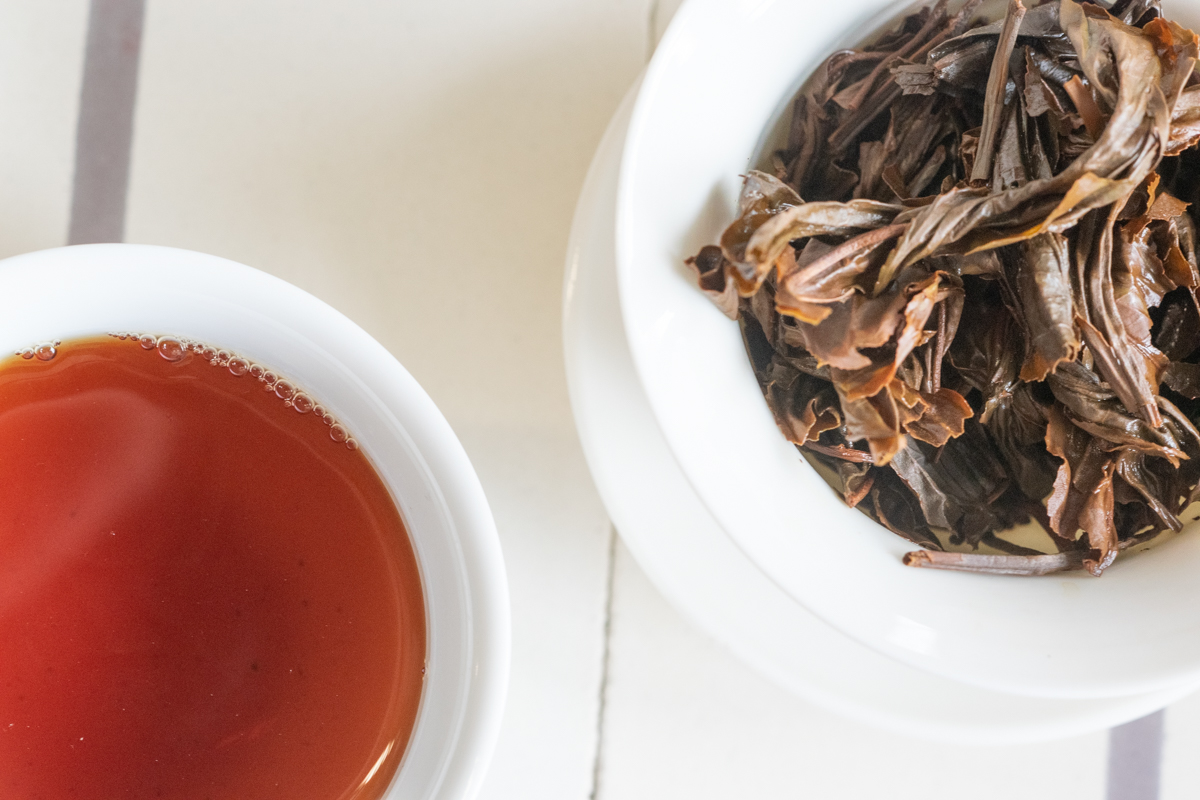
TakeHong Yu Black Teaas an example: this tea is known for its natural sweetness and full-bodied mouthfeel, and when paired with milk, it achieves a balanced harmony between soft milky notes and tea character. Brands such as Shimen Breakfast Tea and Formosa Assam are also great choices for adding milk, with Formosa Assam in particular offering pronounced malt and fruity notes with enough intensity to support the addition of milk without being diluted.
Around the world, milk tea takes on countless forms, with each region having its own unique preparation methods and cultural backgrounds. For instance,Latte Teais made by combining various types of tea with steamed milk or milk foam, with sweetness adjustable to personal taste. Meanwhile, the wildly popular across Asia,Bubble Tea, a signature drink originating from Taiwan, is served cold and sweet, and typically includes chewy tapioca pearls.
Hong Kong-style Milk Teais prepared with concentrated tea liquor and condensed milk, usually served hot, emphasizing a strong tea flavor and a lingering aftertaste.Masala Chai, a classic Indian beverage, is made by simmering Assam tea together with a variety of spices such as ginger, cardamom, and cinnamon along with milk, resulting in a spicy and robust flavor.
Additionally, there'sLondon Fog, a latte-style tea that combines Earl Grey with milk foam and often features a vanilla finish. Traditional BritishMilk Teaconsists of strong tea with added sugar and milk, still widely enjoyed today under the name “Builder’s Brew.”Thai Iced Tea, a popular drink across Southeast Asia, is made by repeatedly pouring black tea and condensed milk between two containers to create a frothy texture and light body. Even in Germany’s East Frisia region, locals follow a ritualistic process of adding cream and rock sugar to strong black tea, forming a unique local tea culture.
The above content is compiled by CoffeeHunters, a coffee news website.


