







Introduction:English Breakfast tea is a classic morning pick-me-up for many, but do you know why it’s often presented as a blend? This article delves into the origins of its blend formula, standard brewing temperature and tea-to-water ratio, and draws on classic tea studies to explore the trade-offs between adding milk, lemon, and sweeteners—helping you brew the perfect cup of English Breakfast tea.
English Breakfast tea can be considered one of the representatives of British tea culture. Its rich and robust flavor is especially suitable for drinking in the morning, helping to invigorate the senses and prepare for a busy day. But is this tea actually a blend? And what water temperature should be used to fully release its aroma and layers? Let’s explore the charm of this classic beverage from the principles of blending to the details of brewing.
First, it’s certain that English Breakfast tea is usually a blended tea (Blended Tea). This is because tea from a single origin or variety rarely possesses the right balance of strength, stable flavor, and mass appeal. Therefore, when making English Breakfast tea, tea blenders mix multiple teas from India, Sri Lanka, and even Africa in specific proportions to create a balanced and representative overall flavor.
In terms of blend formulas, common bases include Assam, Darjeeling, and Ceylon teas. These teas respectively feature strong and full-bodied, fragrant and elegant, and mellow and lively characteristics. By adjusting the blending ratios, a deep, rich yet layered tea liquor can be achieved. This blending method not only stabilizes the tea supply source but also ensures consistent flavor across each batch.
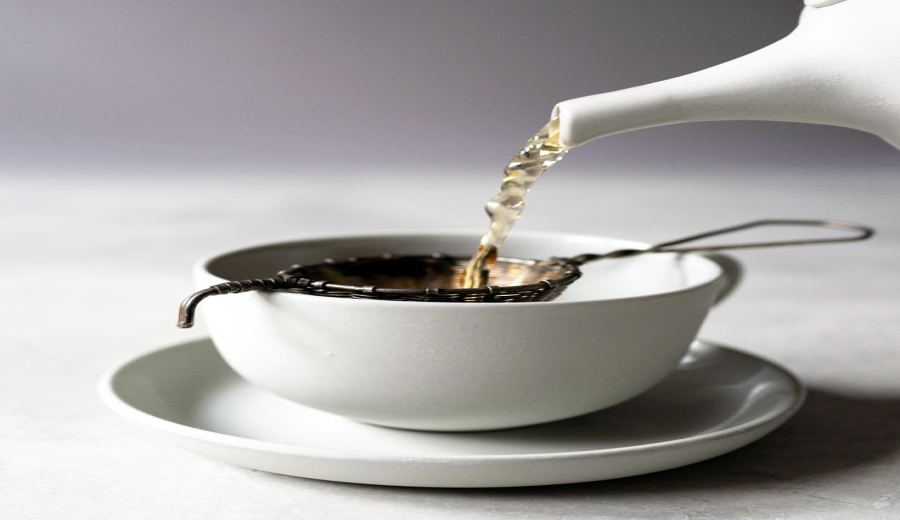
As for brewing, it’s recommended to use water close to boiling point, around 95°C to 100°C. The high temperature helps fully extract the tea polyphenols and aromatic compounds in black tea, making the liquor more robust. When brewing, pour hot water directly over the tea leaves or tea bag, rather than placing the tea leaves in the cup first and then adding water. This allows for more even saturation of the leaves and improves extraction efficiency.
According to tea expert George Orwell in his essay “A Nice Cup of Tea,” traditional English Breakfast tea should be brewed with freshly boiled water, emphasizing the principle of “tea first, water second” to ensure even heating of the leaves. Additionally, steeping time is generally controlled between 3 to 5 minutes—any longer can easily result in bitterness.
When it comes to flavor pairings, whether to add milk, lemon, or sweeteners often depends on personal preference and the characteristics of the tea. Traditionally, many tea drinkers prefer to add milk to soften the strong taste of black tea, creating a smooth flavor reminiscent of an English afternoon tea. Others enjoy adding lemon slices, especially in summer, where the refreshing acidity offers a completely different flavor experience.
For sweeteners, white sugar is the most classic choice, complementing the inherent richness of the tea. However, many health-conscious consumers prefer honey, believing it offers a more natural sweetness along with additional wellness benefits. That said, if choosing honey, it’s best to add it after the tea has cooled slightly to avoid high temperatures damaging the active nutrients in the honey.
In summary, the charm of English Breakfast tea lies not only in its rich and aromatic liquor but also in the diverse pairing options that can be tailored to individual tastes. Whether you prefer the pure, original flavor of tea or the classic combination of milk and sugar, mastering the correct blending principles and brewing techniques will allow you to brew the perfect cup of English Breakfast tea to suit your palate.
The above content is compiled by CoffeeHunters, a coffee news website.


