







Introduction:Darjeeling black tea is hailed as the "Champagne of Teas," with its unique muscat grape aroma and high-mountain tea character captivating many tea enthusiasts. However, to fully unlock the layered complexity of this "Queen of the Hills," everything from water selection and steeping time to teaware pairing involves subtle expertise. This article breaks down six core elements, teaching you to avoid common brewing pitfalls—whether using a single-cup filter or a traditional teapot, you can consistently brew a premium liquor that’s mellow, non-astringent, and richly aromatic.
Renowned for its muscat grape-like fragrance and elegant floral-fruity profile, Darjeeling black tea has long topped global high-end tea rankings. Grown in the unique microclimate of the Himalayan foothills, it has earned the title "Champagne of Teas." But to let this "Queen of the Hills" showcase its full complexity, every factor—from water purity and leaf expansion space to temperature control—affects the final flavor expression.
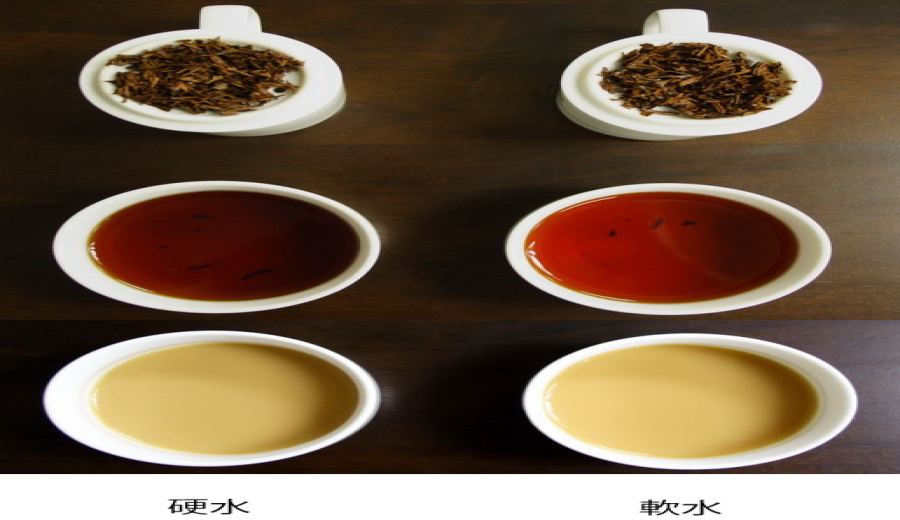
Practical tests show that brewing with filtered soft water reduces impurity interference, making the tea’s honey sweetness and white floral notes more pronounced. If conditions are limited, at least choose chlorine-free tap water and let it sit for half an hour to dissipate residual chlorine. It’s crucial to note that directly using high-temperature boiling water (over 95°C) to brew first-flush spring tea made from tender buds can easily extract astringent compounds. It’s recommended to let the water cool slightly to 85–90°C before pouring.
The choice of steeping vessel directly determines how well the tea leaves unfurl. While single-cup filters are convenient, their limited space may suppress aroma release. It’s recommended to use a wide-mouth glass teapot or porcelain gaiwan instead, giving the leaves enough room to expand. In practice,1 gram of tea leaves per 150ml of wateris the golden ratio. For FOP-grade leaves with intact buds, you can slightly increase to 1.2 grams to enhance flavor intensity.
Timing control is the key challenge with Darjeeling black tea. The first infusion should steep for 3 minutes to initiate aroma release, yielding a light golden-amber liquor with citrus and white peach as the dominant notes. Extending to 4–5 minutes will gradually bring out herbal undertones and honey sweetness, but going beyond 5 minutes can produce noticeable astringency. The second infusion can be shortened to 2 minutes, adjusted based on leaf expansion.
Storage is often overlooked but crucial. Unopened tea should be kept in aluminum composite packaging in a cool place below 15°C. For opened tea, transfer it to a sealed tin with food-grade oxygen absorbers inside, and keep it away from spices or baked goods. Professional tea storage tests indicate that properly stored Darjeeling black tea can maintain its peak flavor for 18–24 months, but drinking it within the first year offers the most vivid seasonal characteristics.
The pouring technique holds a secret to enhancing liquor warmth. Before brewing, preheat the teaware with a small amount of hot water—not only to prevent heat loss but also to cleanse the container and remove odors. A practical tip is to hold the water stream about 10cm from the spout and pour in a spiral motion to ensure even saturation of every leaf. If using a filter, ensure the mesh density doesn’t impede water flow, avoiding localized over-extraction.
For multiple infusions, it’s recommended to extend steeping time by 20% from the second brew onward, compensating for aroma loss with a 10% higher water temperature. Notably, the leaf bottom condition reflects tea quality—high-quality Darjeeling black tea maintains a certain elasticity even after three infusions, with the liquor remaining clear and bright without cloudiness. Rapid fading or suspended impurities may indicate subpar leaf material or storage conditions.
The above content is compiled by CoffeeHunters, a coffee news website.


