







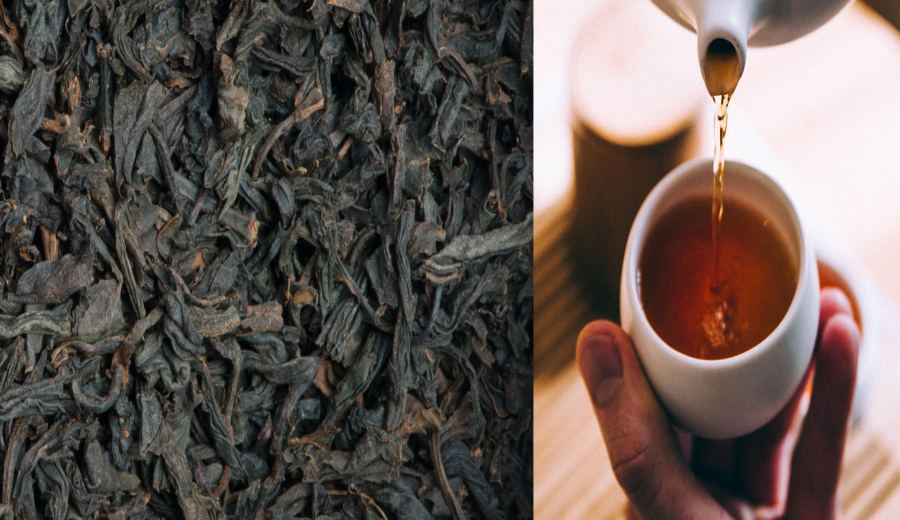
Introduction:Tea tasting is a profound and fascinating subject. From oolong to black tea, each type has unique levels of oxidation and processing characteristics that create distinctly different flavor profiles. This article delves into the flavor profiles of oolong teas such as Tieguanyin, Dahongpao, and Fenghuang Dancong, as well as classic black teas like Qimen Black Tea, Lapsang Souchong, and Dianhong. It also provides practical tips on how to identify authentic traditional Dahongpao, guiding you through a systematic understanding of the characteristics of the six major tea types.
The world of tea is deep and ever-changing—whether it’s origin, processing method, or way of drinking, every detail holds knowledge. To truly appreciate the charm of tea, extensive tasting is the most direct approach. From top-tier spring-picked teas to commonly available everyday varieties, all can offer inspiration. This article focuses on the two major tea categories—oolong and black tea—and provides detailed introductions to six representative teas: Tieguanyin, Dahongpao, Fenghuang Dancong, Qimen Black Tea, Lapsang Souchong, and Dianhong. It also offers practical advice on identifying authentic Dahongpao, while weaving in historical legends about tea to help readers build a complete framework of understanding for various tea types.
Tea culture is broad and profound, encompassing many aspects such as cultivation, production processes, packaging, and blending. But most importantly, it is about the firsthand experience of tasting. Whether it’s premium Darjeeling first flush or commonly found Pu’er, every cup of tea allows for a deeper understanding of tea’s diverse facets. From flavor characteristics to processing differences, these are essential learning points for any tea enthusiast.
Oolong tea is one of the most widely consumed tea types globally. Depending on the processing method and production region, it can appear in semi-ball-shaped, strip-shaped, or loose leaf forms. Its key lies in the "partial oxidation" process, which sits between green and black tea. As a result, it boasts both freshness and richness, along with a layered aroma, making it perfect for savoring. Among China’s well-known oolong teas, Tieguanyin is one of the most widely recognized. It has a smooth and mellow taste with well-controlled astringency, making it a favorite for daily consumption. Dahongpao is a more highly oxidized oolong, featuring an intense aroma and distinct roast notes. It’s recommended to choose products made using traditional charcoal roasting methods to truly experience its classic flavor. Additionally, Dancong teas have bright orange-yellow liquor with prominent apricot and honey aromas, bold flavors, and long-lasting sweet aftertastes, making them very popular among tea enthusiasts.
Turning to black tea, this is a fully oxidized type of tea. Its dry leaves usually appear dark brown, and its caffeine content is about 50% to 65% of that in coffee, varying slightly by variety and brewing method. In India and around the world, black tea is a daily favorite for many. Regions like Assam, Darjeeling, Nilgiri in India, and Sri Lanka are famous black tea producing areas. In China, there are also several highly regarded black tea varieties.
Qimen Black Tea is known for its elegant and refined style, with delicate orchid aromas and a hint of dark chocolate in the finish, making it a top choice for many black tea lovers. Lapsang Souchong, on the other hand, is smoked over pinewood fires, giving it a strong smoky flavor. This characteristic makes it a common ingredient in Russian-style breakfast blends and tea mixes. Dianhong comes from Yunnan and tends to have a relatively mild and sweet taste, often accompanied by aromas of chocolate or honey. It is an ideal choice for those who prefer smoother, gentler tea flavors.
When selecting and tasting these teas, it is advisable to pay attention to oxidation levels and processing details—for example, the charcoal roasting process of Dahongpao directly impacts its aroma and mouthfeel. For beginners, comparing and tasting teas from different regions and processed in different ways can provide a clearer understanding of the essence and characteristics of tea. Furthermore, knowing the optimal brewing temperature, steeping time, and amount of tea leaves for each type is also crucial to enhancing your tasting experience. Don’t overlook the learning value that “bad tea” can offer—it can also help you become more sensitive to the subtleties of good tea.
The above content is compiled by CoffeeHunters, a coffee news website.


