







Introduction:The Kangra region at the foothills of the Himalayas, with its unique geographical environment, produces teas—both black and green—with delicate flavors. This article delves into the historical roots and varietal characteristics of Kangra tea, and focuses on the organic cultivation practices and classic tea offerings of the Temi Tea Garden in Sikkim. It also provides optimal brewing recommendations for Kangra green tea to help you savor the essence of Himalayan tea aroma.
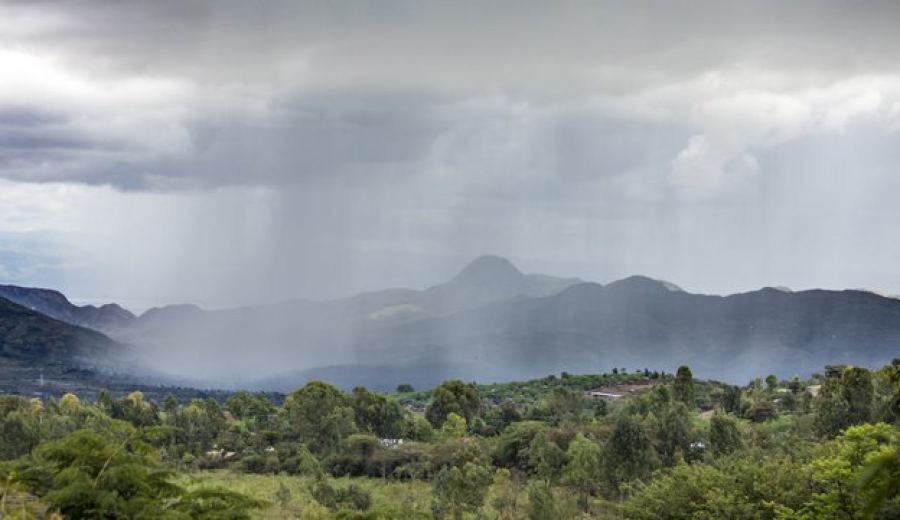
The Himalayas are not only a symbol of inspiration and purity but also an important origin of high-quality tea. In the Kangra tea region near Dharamshala, thanks to fertile soil, a cool climate, and abundant rainfall, finely nuanced and layered black and green teas are produced. The history of this tea region dates back to the mid-19th century, when its teas were supplied not only locally but also exported as far as Kabul and Central Asia, earning gold and silver awards at international expositions in London and Amsterdam.
However, the local tea industry has also faced significant challenges. A powerful earthquake destroyed most tea factories, leading to the suspension of production in some tea gardens. Nevertheless, the Kangra region still preserves traditional tea plant varieties, as well as a few high-quality green tea producing areas, showcasing the resilient vitality of its tea culture.
Surrounding Kangra, there is also a diverse array of tea products including green tea, black tea, oolong tea, jasmine tea, and herbal infusions, many of which are meticulously cultivated by local tea farmers and specialists. Of particular note, since the 1960s when the Dalai Lama took up residence in Dharamshala, Tibetan tea culture and Himalayan tea flavors have gradually blended, forming a distinctive local tea-drinking tradition.
Among these, the Temi Tea Garden is a shining gem. Managed by the Sikkim government, it was established in 1969 and is located in South Sikkim, in the northeastern Indian state of Sikkim. It is currently the only tea garden in the state that remains in active operation. The teas produced here are renowned for their rich aroma and smooth, delicate taste.
In 2005, the Temi Tea Garden officially transitioned to organic cultivation, adhering to the organic farming standards set by the Institute of Marketecology (IMO). The garden is particularly known for producing TGOFP1 grade tea, which is celebrated by tea aficionados for its pronounced floral fragrance and full-bodied mouthfeel. Additionally, the garden offers specialty teas such as “Dust of Tradition,” showcasing the diverse character of tea from the Sikkimese mountains.
The above content is compiled by CoffeeHunters, a coffee news website.


