







Introduction:Delve into a visit to the Glenburn Tea Estate nestled at the foothills of the Himalayas, uncovering the organic farming philosophy of this century-old tea garden and the unique flavors of its high-mountain black tea. From the estate’s history and geographical environment to the tasting experience, we provide a comprehensive analysis of the aromatic layers and taste characteristics of Himalayan black tea, along with practical tasting references to guide you in appreciating the charm of high-altitude tea.
Located by the Rangeet River in the high-altitude region of the Himalayas, the Glenburn Tea Estate is one of the most representative small-scale tea gardens in Darjeeling. Since its establishment in 1859 by a Scottish tea company, it has been managed by the Prakash family for over a century, accumulating profound expertise in tea cultivation and production. In addition to its renowned high-quality black tea, the estate boasts a vast private forest spanning thousands of acres, as well as two naturally flowing rivers. Paired with locally grown herbs, spices, and fruits and vegetables, it offers visitors an immersive experience that blends nature with tea culture.
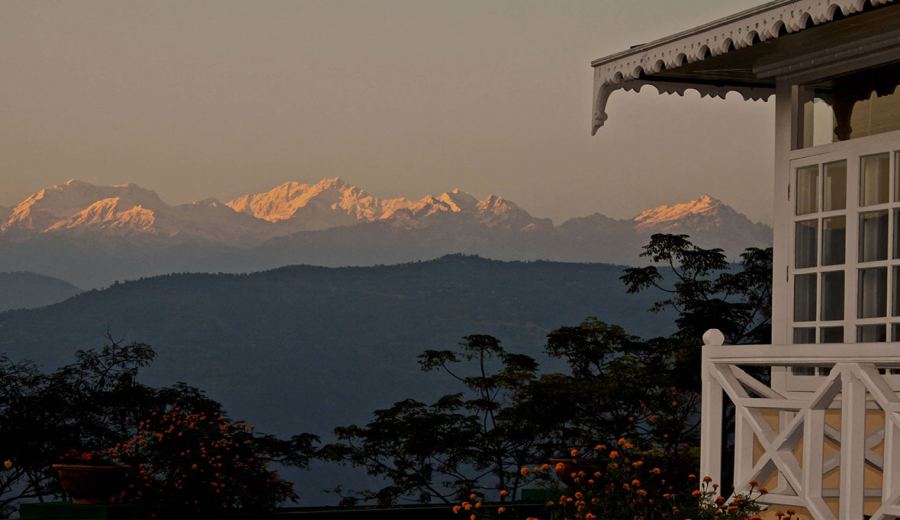
Visiting Glenburn feels like stepping into a paradise. This small tea garden, situated on the hillsides by the Rangeet River in the high-altitude region of the Himalayas, offers breathtaking views of the majestic Kanchenjunga mountain range. The moment you set foot in this tea garden, you’ll instantly sense an indescribable ethereal atmosphere, as if you’ve arrived at the intersection of heaven and the aroma of tea.
Upon arrival at the estate, the warm and welcoming staff will assist you with your luggage. You’ll then have the opportunity to meet Mr. Parashar, a regular visitor and seasoned tea connoisseur. Introduced through a friend, he is a well-connected local in the tea industry who not only knows the estate’s history inside out but also loves sharing the stories of tea cultivation and the local culture. Sharing your first cup of Darjeeling black tea with him and planning the subsequent tea tastings and explorations will be an unforgettable start.
Mr. Parashar emphasizes right from the beginning: “Glenburn is not just a tea garden—it’s a memorable journey.” While savoring the first brew of Darjeeling black tea, we begin planning the next two days of our tea garden adventure. He enthusiastically shares the estate’s planting philosophy and historical background, with every detail worth noting.
Established in 1859, the Glenburn Tea Estate was initially founded by a Scottish tea company and later taken over by the Prakash family, one of India’s earliest tea-growing families. Known as the “Chaiwala family,” meaning “tea farmers,” they have nearly a century of inherited knowledge in tea cultivation and production. Drawing inspiration from the management model of European vineyards, they aim to provide visitors with a complete experience of black tea—from cultivation to brewing—from the tea garden to the teacup.
When Huna-Tara Prakash first visited Glenburn, she was determined to create a tea estate here that would blend nature and tea culture for future generations. Today, it is one of the few places in India where you can stroll through the tea gardens during the day and return to comfortable, luxurious accommodations at night, offering a rare tea garden vacation experience.
Organic farming is an indispensable part of life on the estate. Uncle Parashar explained to me that in addition to tea, the garden also grows a variety of fresh herbs, spices, fruits, and vegetables. These ingredients are not only used in the estate’s dining but also allow you to enjoy authentic and unique tea garden-flavored cuisine. The menu combines local specialties, refined Southeast Asian dishes, and classic European fare, with each dish showcasing the estate’s natural diversity.
For accommodations, Glenburn offers two distinctive bungalows: the Burra Bungalow and the Water Lily Bungalow, both surrounded by thousands of acres of private forest and traversed by two rivers, creating a tranquil and nature-coexisting holiday environment for visitors. Waking up to the sound of birdsong and exploring every corner of the tea garden to gain an in-depth understanding of the growing environment and production process of high-mountain black tea will be an unforgettable experience.
For beverage enthusiasts who enjoy contrasting the flavors of tea and coffee, it is recommended to try comparing the floral and fruity notes of Darjeeling high-mountain black tea with coffee beans that have bright fruity acidity. This combination allows you to more delicately appreciate the subtlety and rich layers of high-mountain tea, while also experiencing the flavor interaction between different beverages.
The above content is compiled by CoffeeHunters, a coffee news website.


